Steamboat and Ski Corp. Hammer Out Paid Parking Mitigation Deal
Steamboat Springs and Ski Corp. move closer to a tentative agreement on paid parking mitigation, including free local parking at Haymaker and shuttle coverage, to prevent traffic spillover into residential neighborhoods.

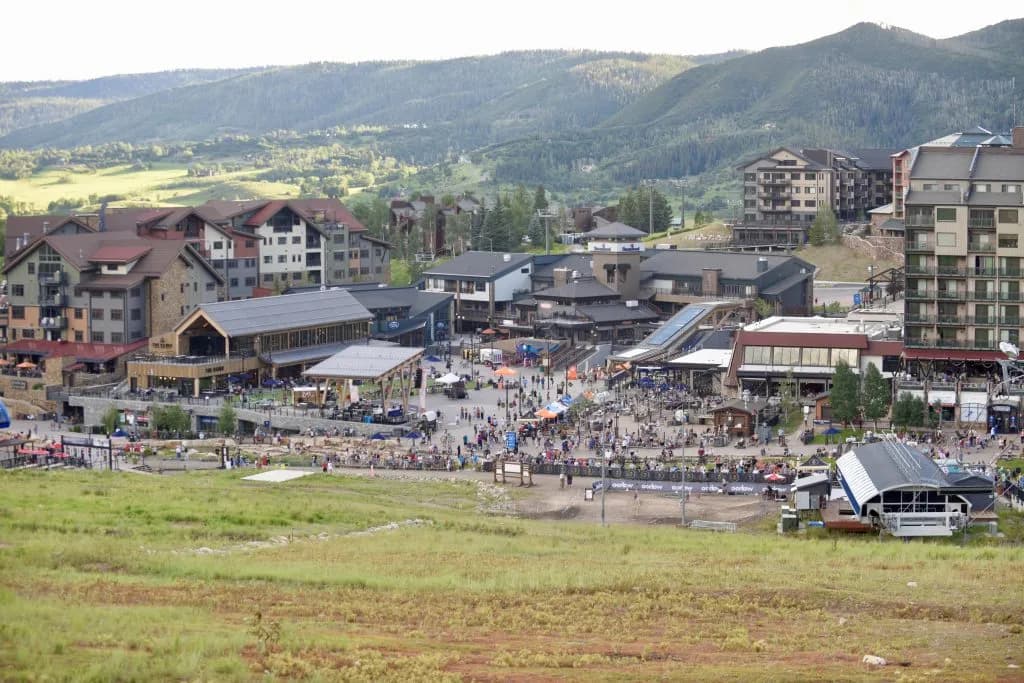
Steamboat Springs —The City of Steamboat Springs and Steamboat Ski & Resort Corp. are moving closer to a deal that could reshape how locals park and commute next winter. The two entities held a private meeting Monday to hammer out mitigation steps for the resort’s upcoming paid-parking program, aiming to stop traffic from spilling into residential neighborhoods and downtown streets.
The question is whether these tweaks will actually solve the congestion problem or just move it around the block.
“We also know that we can’t address 100% of every potential impact or accurately project the future,” City Council President Steve Muntean told the council Tuesday. “So we will need to learn over time and adjust accordingly as things develop.”
That’s the honest answer. It’s not a perfect fix, and it’s not a guaranteed one. But it’s a start.
The meeting included Muntean, Councilor Gail Garey, City Manager Tom Leeson, and resort leadership. They talked about shared goals: reducing vehicle miles traveled, cutting carbon emissions, and keeping the roads clear. But the real work is in the details.
The two sides are close to a tentative agreement to use the Haymaker Golf Course parking lot as free parking for locals coming from south of town. Ski Corp. will cover the cost of the shuttle service. That’s a concrete step. It gives south-side residents a way to get to the mountain without clogging the main arteries.
They’re also looking at the Stockbridge Transit Center lot for folks coming from the west. And downtown, they’re exploring options near Steamboat Springs Transit bus stops to help locals get up the mountain.
Ski Corp. is also paying for free signage to go up around the base of the mountain. This isn’t just about tourists finding spots. It’s about helping business owners manage unauthorized skier parking that’s been eating into their customer access.
But the biggest hurdle remains the money.
Muntean raised an issue last week: if paid parking brings more ridership to the city, Ski Corp. should help offset the costs that come with it. More people means more wear and tear on roads, more pressure on transit, more need for services.
“In order for (Ski Corp.) to support that, we have to have a formula that makes sense,” Muntean explained. “So we’re going to try to come up with this formula by next Monday to have further discussions about what that offset would look like.”
Councilor Gail Garey pushed for a specific approach to that formula. She wants it to account for who is being left behind today. Not just the average commuter, but the people who are struggling to get around right now.
“Microtransit” — that tech-enabled, shared transportation that sits between a fixed bus route and an Uber — is on the table. It’s flexible. It’s responsive. It’s expensive, but it might be the only way to connect the dots for folks who don’t live near a bus line.
This wasn’t the first time they’ve talked. An initial conversation on April 13 saw city leaders warn resort reps that paid parking could shift traffic patterns into nearby neighborhoods. By May 5, Councilor Bryan Swintek was urging an “aggressive” push to put a lift ticket tax on the ballot in November if no compromises were made.
That threat hung over the room. But this week’s discussion seemed to yield actual next steps. Another meeting is scheduled for Monday, May 18, to nail down the details.
The data supports this. The city and the ski corp are no longer just talking about problems; they’re talking about solutions. They’re discussing Haymaker. They’re eyeing Stockbridge. They’re debating a formula that accounts for the people who are currently being left behind.
It’s not perfect. Muntean admitted that. But it’s a plan. And for now, that’s what locals have to work with.
Keep up with Steamboat Springs
The day's Western Slope news, one email each morning. Free.