Trump Approves $18M FEMA Aid for Aspen Acres Fire Recovery
President Trump approved $18 million in FEMA aid to repair infrastructure damaged by the Aspen Acres and Gold Mountain fires. The funding covers debris removal and grid repairs, though individual homeowner assistance remains under review.
Aspen —$18 million. That is the price tag the state of Colorado is slapping on the damage to public infrastructure from the Aspen Acres and Gold Mountain fires. It is a number that dwarfs the cost of most local road repairs, yet it barely scratches the surface of the total devastation.
The Colorado Sun reports that President Donald Trump has officially approved federal aid for these two communities. This is not a minor gesture; it unlocks the Public Assistance Program through the Federal Emergency Management Agency (FEMA). For local governments, utilities, and some nonprofits, this means real cash to cover the heavy lifting: debris removal, road repairs, and fixing the water and electricity grids that were torn apart.
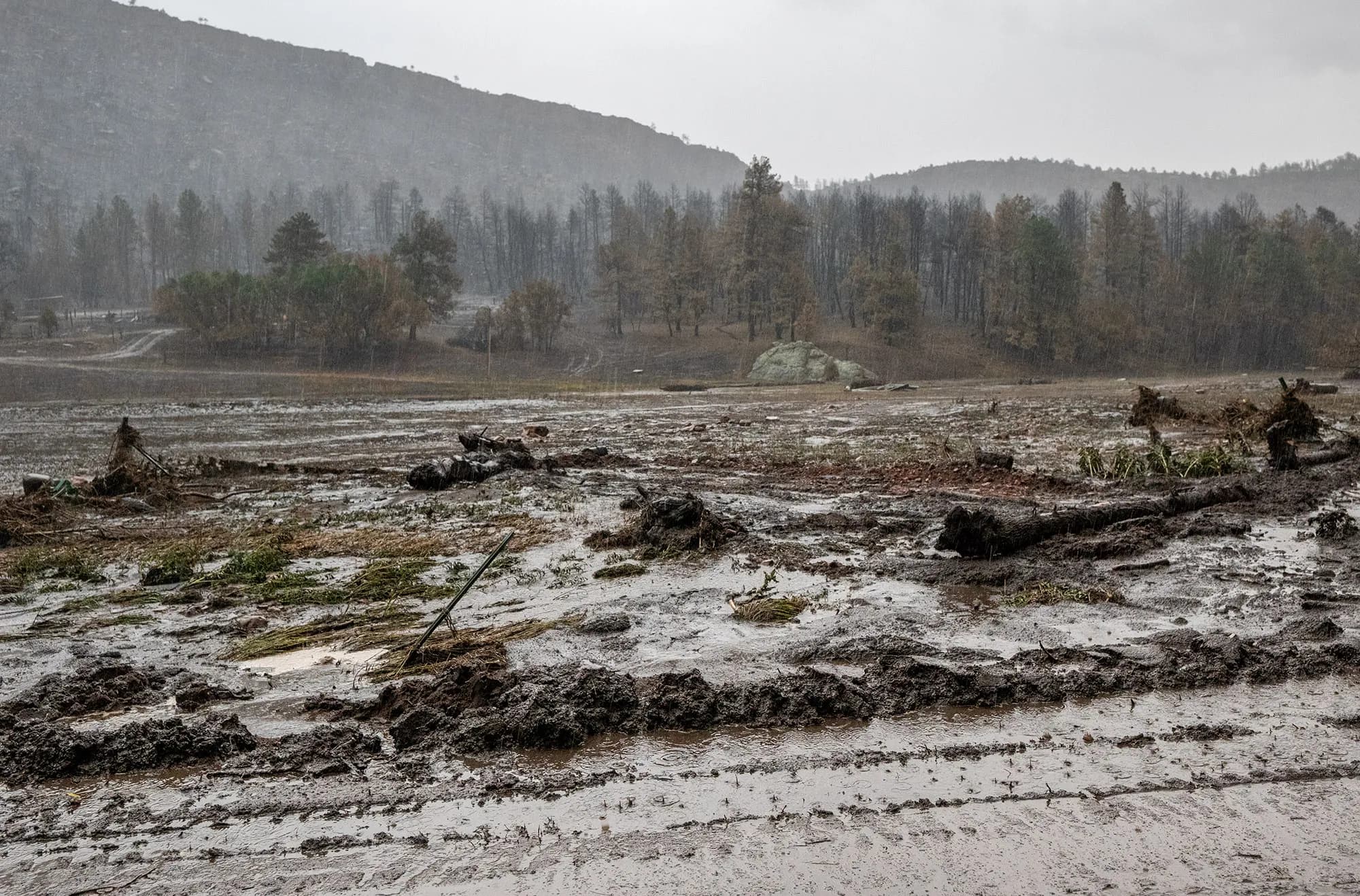
Let’s look at the scale of the problem. The Aspen Acres fire, which started in Custer County on June 29, burned more than 102,000 acres. At its peak, roughly 11,600 residents across Pueblo, Custer, and Fremont counties were forced to evacuate. But the fire wasn’t the only enemy. The burn scars turned the landscape into a sponge for rain. When storms rolled in, they triggered flash floods that surged through communities like the Beulah Valley. The water was black with ash, and the damage was severe enough to kill one resident on Aug. 16.
These floods have also repeatedly closed Colorado 78, a critical artery for the region. For folks in the Beulah area, the situation is particularly grim because the water utilities, such as the Pine Drive Water District, are struggling to restore service. The San Isabel Electric Association, which serves much of the area, has already reported millions of dollars in damage to its infrastructure.
For context, this federal aid comes after a tense period where the Trump administration had previously declined disaster declarations for other parts of the state, specifically regarding the Lee and Elk fires in southwestern Colorado. That refusal had created friction, partly due to political disputes involving former Mesa County Clerk Tina Peters. Now, with this new approval, the focus shifts back to the physical rebuilding effort.
Gov. Jared Polis noted that the damage to homes and public systems was simply too big for the state to handle alone. He emphasized that while Coloradans have shown strength, the sheer volume of work requires federal muscle. The entire congressional delegation, spanning both parties, backed this request, signaling a rare moment of bipartisan agreement on a practical issue.
However, there is a catch. While the aid for public infrastructure is approved, the federal assistance for individual homeowners and renters is still under review. This distinction matters. The roads and power lines might get fixed first, but the people living in those damaged houses are still waiting for their own slice of the pie. Until that individual aid is finalized, many families remain in limbo, relying on temporary solutions while they wait for the next update from Washington.
The bottom line for locals is clear: the big infrastructure projects are now funded, and crews can start moving. Debris will be cleared, and the grid will be stabilized. But for the individual homeowner, the battle for personal recovery is not yet won. The money is coming, but it is coming in stages, and the first stage is for the public good. The second stage, for the private home, is still pending.
Keep up with Aspen
The day's Western Slope news, one email each morning. Free.