Trump Deludes Himself Into Winning the Iran War
Analysis of how Donald Trump’s delusion of victory in the Iran conflict ignores the reality that Iran holds the leverage, leaving the US paying the price for a war it wasn't consulted on.

Colorado —The question hanging over the Western Slope isn’t whether the war in Iran is over — it’s why Donald Trump thinks he’s the one holding the winning ticket.
Picture the Strait of Hormuz. It’s a choke point, a geopolitical noose around the global economy. For months, it was blocked, tolled, and threatened. Now, as the dust settles on a conflict that started in February, the consensus among nearly two-thirds of Americans is that this was never really our war to begin with. We weren’t asked. We weren’t consulted. We just got the bill.
And yet, the President is desperately searching for an off-ramp, willing to pay whatever price it takes to return to a pre-war status quo that feels increasingly like a fantasy.
Here’s the thing though: Trump isn’t just losing a war against a country that’s become a pariah to much of the world. He’s losing because he’s convinced he won.
It’s a delusion of grandeur that ignores the reality on the ground. When the U.S. and Israel launched their joint shock-and-awe campaign, the stated goals were regime change and freedom for the Iranian people. Benjamin Netanyahu assured Trump the mullahs would fall. The restive population would seize its moment. You don’t hear much about those promises anymore. What you do hear about is the Islamic Revolutionary Guard, which remains firmly in control, holding the leverage because it controls the oil infrastructure and the bases.
"We learned late," the source notes, cutting off the narrative just as it hints at the deeper failures. But the implication is clear: the "third-rate power" Trump dismissed has outmaneuvered the superpower.
The negotiations, scheduled to last up to 60 days — a timeframe many experts say is too short to resolve the outstanding issues, are less about peace and more about saving face. The U.S. is still throwing "defensive" strikes, while Iran threatens to reciprocate. It’s a shaky dance, but it’s a dance where Iran holds the cards.
A highly placed Democratic pol told the author that the war will end "whenever Iran says it is." That’s the leverage. Iran wants the bombs to stop. Trump prefers to talk rather than return to his barbaric pledge to destroy Iranian civilization. So, he talks. He negotiates. He tries to pull the genie out of the bottle, even if Pandora’s box is already wide open.
And that matters because it’s not just about foreign policy. It’s about the cost. It’s about the minor-league negotiators Trump sends to the world’s hotspots. It’s about JD Vance, Pete Hegseth, and the Department of War, all complicit in a strategy that strengthened Iran’s regional position while diminishing America’s.
The polls are in. The opposition is nearly unanimous, even in this fractured country. Trump has lost. But he’s still standing there, adjusting his tie, waiting for the rest of us to catch up.
Keep up with Colorado
The day's Western Slope news, one email each morning. Free.


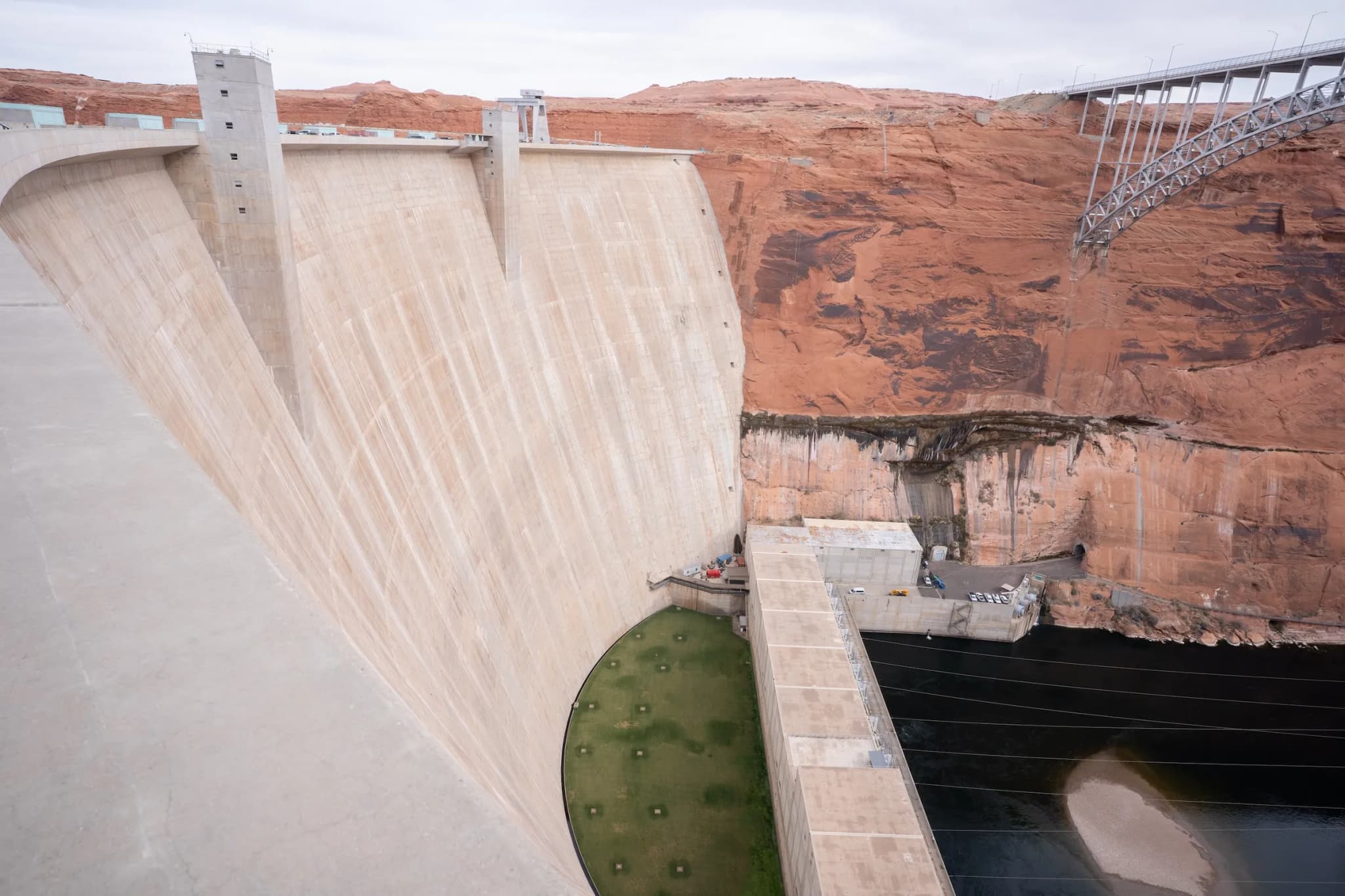
Federal Report Sets 200,000 Acre-Foot Water Conservation Target for Upper Basin
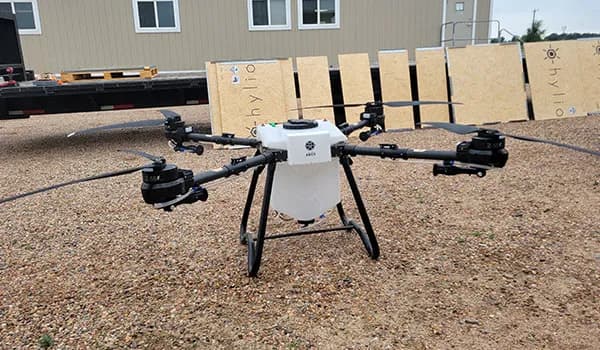
Colorado Parks and Wildlife Deploys Precision Drones for Weed Control