Trump Order Targets Mail-In Ballots on Western Slope
President Trump's executive order aims to tighten control over mail-in ballots, sparking concern among Western Slope voters and Colorado officials
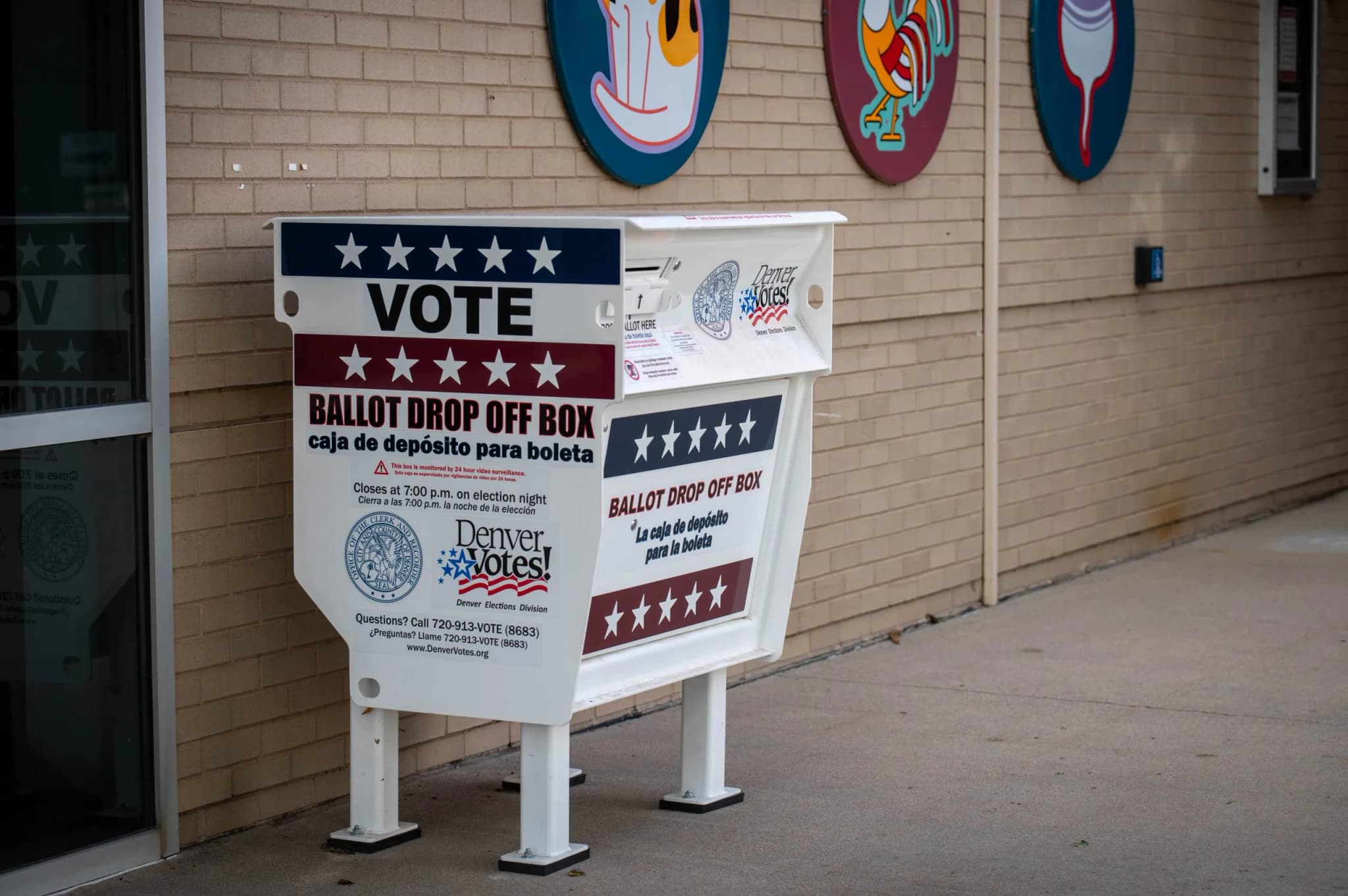
Colorado —Standing in line at the Delta County Clerk's office, folks around here are talking about the latest move from President Trump — an executive order aimed at tightening control over mail-in ballots. The sound of ballots being sorted and counted in the background is a reminder that voting is a fundamental right, but also a complex process. Outside, the sun beats down on the sidewalk, where a handmade sign reads "Protect Our Vote."
Make no mistake, this order will have a direct impact on Western Slope voters. The president's plan requires states to follow new mandates for mail-in ballots, including the use of unique ballot envelope identifiers, such as bar codes, and the creation of a citizenship list derived from federal records. The order also threatens to withhold federal funds from states that don't comply. That's a significant concern for local election officials, who rely on federal funding to support the voting process.
The short version: Trump claims this order is necessary to enhance election integrity and reduce the risk of fraud. However, Colorado officials, including Senator John Hickenlooper and Secretary of State Jena Griswold, are pushing back, calling the order undemocratic, unconstitutional, and a blatant attempt at voter suppression. Read that again — the same president who has cast votes via mail ballots is now trying to restrict the practice.
It's worth watching how this plays out, given the Constitution's clear stance on states' rights to oversee elections. In 2025, a similar order from Trump was struck down by the court, which ruled that the president doesn't have the authority to change election procedures. This time around, the stakes are just as high, with the midterm elections looming.
Locals are likely to be concerned about the potential consequences of this order. In Colorado, where most voters choose to mail in their ballots or use drop boxes, any changes to the system could cause confusion and disrupt the voting process. The state's all-mail voting law, signed by Governor Hickenlooper in 2013, has been hailed as a success, with state audits and hand counts confirming the accuracy of vote tallies.
As the community waits to see how this will unfold, the Western Slope will be watching closely. The region's voters will be affected by any changes to the mail-in ballot system, and local officials will be tasked with implementing the new mandates, or fighting them in court. The question on everyone's mind: what's next?
In a written statement, Secretary Griswold said, "We look forward to this unconstitutional overreach being stopped in court." That's a sentiment echoed by many in the community, who are determined to protect their right to vote. As one local resident noted, "This isn't just about politics; it's about ensuring that every voice is heard."
The sound of ballots being sorted and counted has stopped, and the room is quiet, except for the occasional rustle of papers. The handmade sign outside still reads "Protect Our Vote," a reminder that this is a story that will continue to unfold in the days and weeks to come.
Keep up with Colorado
The day's Western Slope news, one email each morning. Free.
Federal Report Sets 200,000 Acre-Foot Water Conservation Target for Upper Basin
Colorado Parks and Wildlife Deploys Precision Drones for Weed Control