Grand Junction Airport Faces Security Line Delays
Grand Junction Regional Airport and other airports nationwide are experiencing security line delays due to the partial government shutdown and unpaid TSA agents. Travelers are advised to arrive early and stay informed.
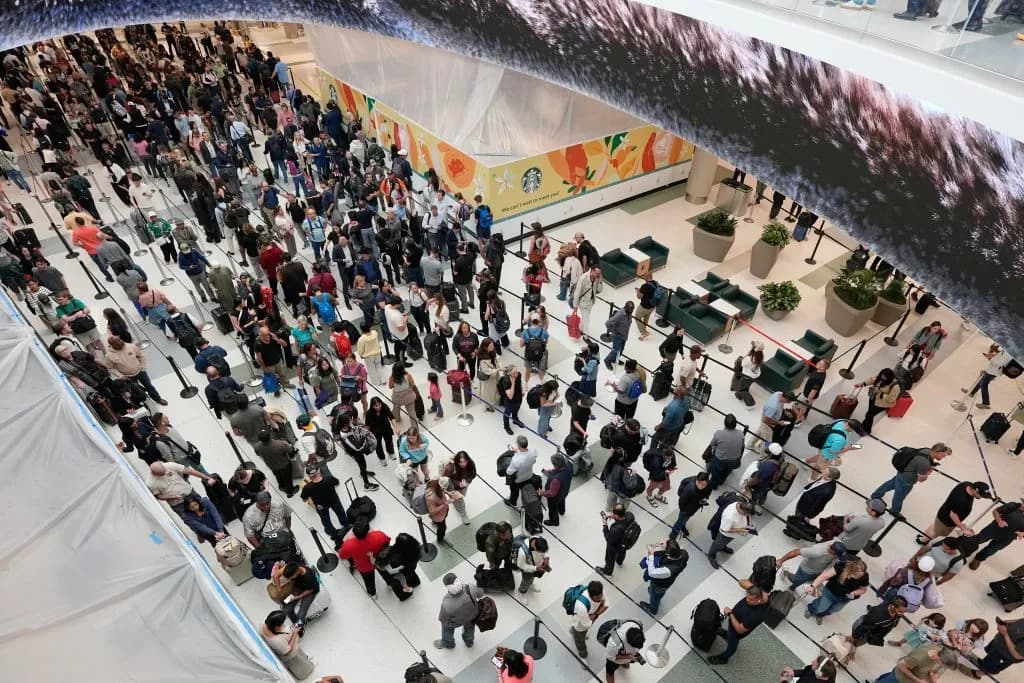
Vail —Standing in the security line at Grand Junction Regional Airport, the frustration is palpable — spring break travelers are waiting, watching the clock, and worrying about missing their flights. The scene is familiar: families with restless kids, business travelers typing away on their laptops, and vacationers sipping coffee, all stuck in a slow-moving queue. This is the reality of air travel during the partial government shutdown, and it's not unique to Grand Junction — airports across the country are struggling with long security lines.
The issue is clear: TSA agents have been working without pay since February 14, and it's taking a toll on their ability to provide efficient security screening. President Trump's recent executive order to pay TSA officers will start to alleviate the financial strain on them. The order instructs the Department of Homeland Security to pay TSA officers immediately, but it may not translate to immediate relief at security checkpoints. Make no mistake, the situation on the ground is still challenging, some of the busiest airports in the US are advising travelers to arrive hours before their departure time to get through security lines.
Baltimore-Washington International Airport, for example, is recommending that passengers show up several hours early, as checkpoint wait times remain longer than normal. Other airports, like Atlanta's Hartsfield–Jackson International Airport and Louis Armstrong International Airport in New Orleans, are issuing similar warnings. The situation is so dire that Maryland Gov. Wes Moore has deployed additional Immigration and Customs Enforcement agents to BWI to assist with security checkpoints. This move is intended to speed up the clearance process for passengers, but it's a temporary fix; the underlying issue of unpaid TSA agents remains.
White House border czar Tom Homan hopes that TSA agents will be paid by Monday or Tuesday, which could bring some relief to the situation. However, it's unclear how quickly this will impact security lines. Homan acknowledges that the deployment of ICE agents at airports may not end once TSA officers get paid, as it depends on how many TSA employees return to work. The short version: this is a complex issue with no easy solution.
For Western Slope travelers, the situation is particularly concerning. Grand Junction Regional Airport may not be as busy as some of the major hubs, but it's still a critical transportation hub for our community. The airport's security lines may not be as long as those in other cities, but the uncertainty surrounding TSA staffing and wait times is still a major concern. Read that again: the uncertainty is the problem - travelers need to know what to expect when they arrive at the airport.
As the situation continues to unfold, it's worth watching how local airports respond to the challenges posed by the partial government shutdown. Will they be able to maintain efficient security screening, or will travelers face lengthy delays? The answer to this question will have a direct impact on our community, as travelers plan their spring break trips. This will cost taxpayers. in terms of time, frustration, and potentially missed flights. The community needs clear information about what to expect at local airports, and they need it now.
In the meantime, travelers are advised to arrive early, be patient, and stay informed about the situation at their departure airport. It's not an ideal situation, but it's the reality of air travel during this challenging time. The question on everyone's mind: when will things return to normal? For now, that remains unclear.
Keep up with Vail
The day's Western Slope news, one email each morning. Free.