Tucker Vest Burton knows the problem
Tucker Vest Burton knows the problem. He also knows the fix. Roaring Fork Safe Passages launched a citizen science program this week. The goal is simple. Drivers on Highways 82 and 133 will report wildlife-vehicle collisions. This data will help…
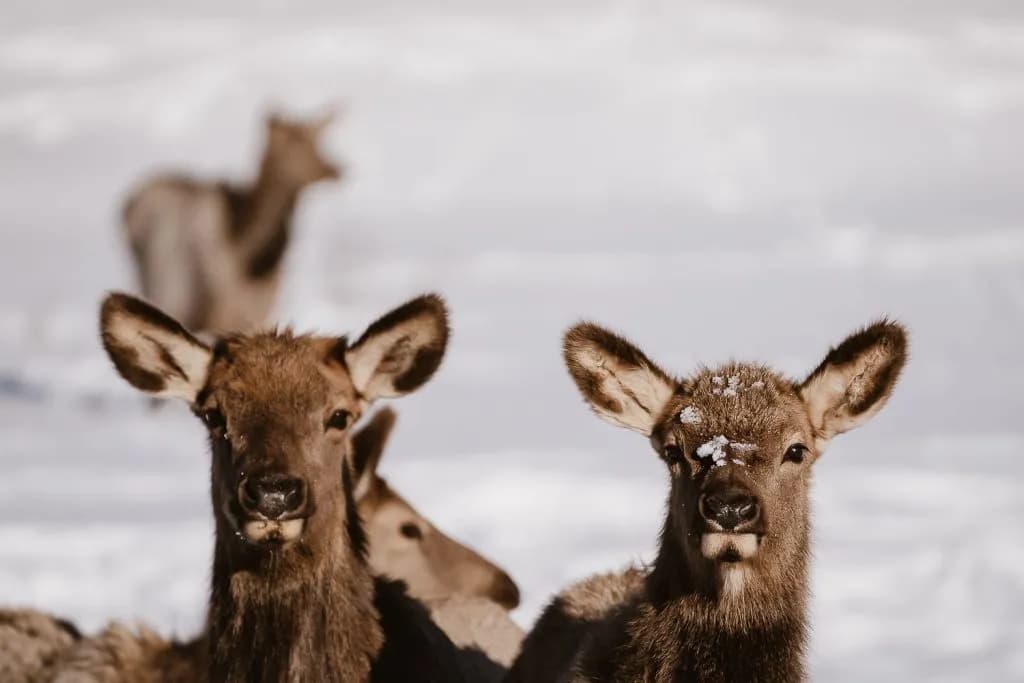
Glenwood Springs —Tucker Vest Burton knows the problem. He also knows the fix.
Roaring Fork Safe Passages launched a citizen science program this week. The goal is simple. Drivers on Highways 82 and 133 will report wildlife-vehicle collisions. This data will help build a case for local wildlife crossings.
Make no mistake, this is a big shift. For years, the valley relied on statewide reports from the Colorado Department of Transportation and the Colorado State Patrol. Those numbers were broad. They missed the local details.
In 2024, the Pitkin County Sheriff’s Office stepped in. They began tracking collisions locally. Now, the nonprofit is adding the public to the mix.
The program ties into the 2026 Roadside Wildlife Count. That national event runs Oct. 2 to 11. It’s the first year for the count. Groups like the Environment America Research & Policy Center and Wild Aware are involved. Safe Passages is a state partner.
Sheriff Michael Buglione sees the value. His deputies drive these roads daily. They see the crashes.
“Bringing the community into this effort means more eyes, more data, and a much fuller picture of what’s happening on our highways that benefits public safety and wildlife alike,” Buglione said.
The nonprofit wants to pool law enforcement and citizen data. One dataset. One clear view of where and when animals hit cars.
Vest Burton called the work “momentous.” He said it will happen because locals, businesses, and government agencies are joining forces.
This is a citizen-led advocacy group. They aren’t just talking about crossings. They’re collecting the proof.
The data isn’t just for scientists. It’s for the drivers stuck behind a deer carcass on Highway 82. It’s for the folks who pay property taxes in the valley.
Read that again. More eyes. More data.
The short version? If you see a dead animal on the road, report it. The valley needs the numbers.
Safe Passages is asking commuters to use their standardized reporting tool. The Sheriff’s Office uses the same data.
This isn’t a passive effort. It requires action from the people who travel these routes every day.
The program is live. The 2026 Roadside Wildlife Count starts soon.
The valley has a choice. Keep guessing about collision rates, or start counting.
Buglione’s deputies are already out there. Now the rest of the community can join them.
The data will show where the hotspots are. That’s where the crossings should go.
It’s a concrete way to help. No donations required. Just your phone and your eyes.
The nonprofit is grateful for the support so far. They want to keep that momentum going.
This is about building infrastructure. But you need the evidence first.
The program is open to anyone traveling those highways.
It’s a simple ask. Report what you see.
The valley is getting a clearer picture of its wildlife problem.
That’s the story.
Keep up with Glenwood Springs
The day's Western Slope news, one email each morning. Free.

Garfield Clean Energy Offers $4,000 Rebates for Home Energy Audits
Will bearberry actually help with that stubborn bladder infection