Vail Pass Holds Secrets and Stories of the Rockies
Discover the rich history and secrets of Vail Pass, a gateway to the Rocky Mountains with a complex past and present-day outdoor recreation opportunities.
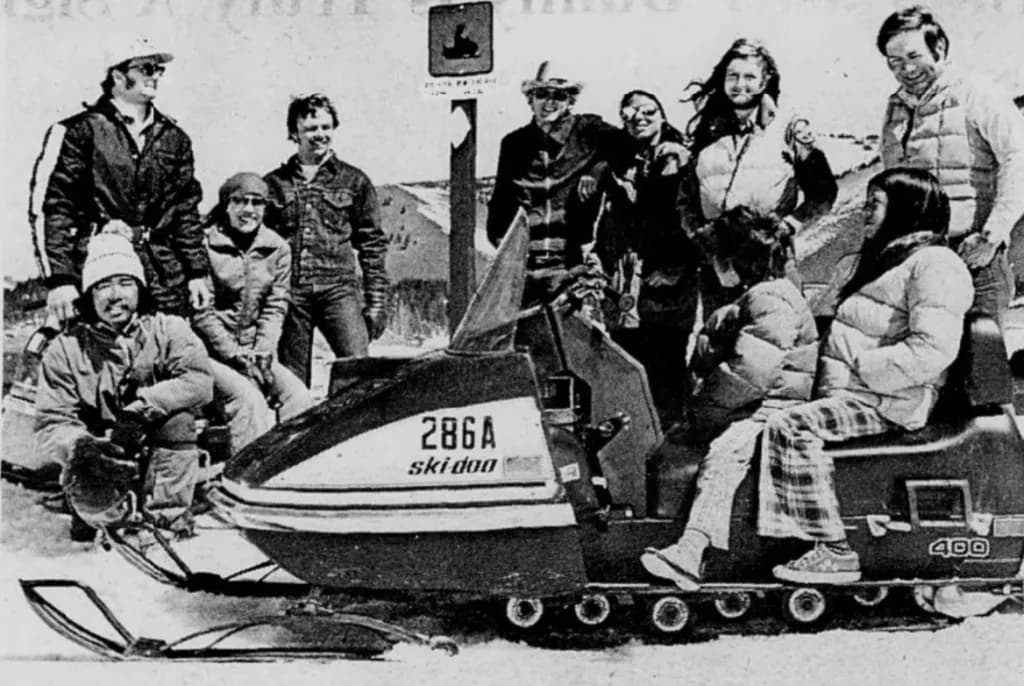
Aspen —"I've lived in these mountains my whole life, and I still can't help but feel a shiver run down my spine when I drive over Vail Pass," says local historian, Kathy Heicher, her voice low and mysterious, as if the pass itself is a keeper of secrets. The snow-capped peaks rise up on either side of the road, their rugged beauty a powerful force that commands respect, and the history that lies hidden beneath the surface. As we talk, the sound of the wind whistling through the trees, and the creak of the old wooden signs that mark the pass, transport me to a different era, one that is rich in stories and legends.
As I stand at the edge of the pass, the wind whipping my hair into a frenzy, I am struck by the sheer scale of the landscape. The Rockies stretch out before me, a seemingly endless expanse of peaks and valleys, each one with its own unique character and history. And yet, despite the beauty of this place, there is a sense of melancholy that hangs in the air, a sense of secrets and stories waiting to be uncovered. The smell of pine and earth fills my lungs, and I feel a sense of connection to the land, a sense of wonder that is hard to shake.
Heicher's words are a reminder that Vail Pass, a stretch of Interstate 70 that winds its way through the Rocky Mountains, is more than just a road - it's a gateway to a complex history that spans thousands of years. From the Ute Native American tribes who first inhabited this land, to the early settlers and miners who came in search of fortune, the pass has been a crossroads of human activity for centuries. As I look out at the pass, I am struck by the way the light falls on the rocks, casting long shadows that seem to stretch on forever. It's a reminder that this place is not just a physical location, but a spiritual one, where the boundaries between past and present seem to blur.
One of the most intriguing stories to emerge from this region is that of a mysterious death that occurred on the pass 70 years ago. The details are sketchy, but it's said that a traveler was found dead under unclear circumstances, leaving behind only whispers and rumors. The incident has become a kind of local legend, with some claiming that the pass is haunted by the spirit of the deceased. As I listen to Heicher's account, I am struck by the way the story seems to seep into my bones, like a chill on a cold winter's night. It's a reminder that this place has a deep and abiding history, one that continues to shape our understanding of the world.
As I delve deeper into the history of Vail Pass, I begin to notice the way that the landscape seems to shift and change, like a living, breathing entity. The trees seem to lean in, as if they are trying to listen to my conversation, and the rocks seem to glow with a soft, otherworldly light. It's as if the pass itself is trying to tell me a story, one that is full of twists and turns, and unexpected surprises. The sound of the wind, the smell of the pine, and the feel of the sun on my skin all combine to create a sense of immersion, a sense of being fully present in this place.
The pass has also played a significant role in the development of the region's recreation economy. In the 1960s, Vail Mountain made the decision to close for the season on April 17, a move that was seen as a blow to local businesses. However, this decision also marked a turning point in the region's approach to tourism, as locals began to focus on developing year-round recreation opportunities. The sound of skis gliding down the mountain, the smell of hot chocolate and coffee, and the feel of the cold air on my face all combine to create a sense of excitement, a sense of possibility.
Today, Vail Pass is a popular destination for outdoor enthusiasts, with world-class skiing, hiking, and snowmobiling opportunities. However, as I talk to locals and historians, I begin to realize that there is more to this place than meets the eye. There's a warmth to the way people speak about the pass, a sense of ownership and pride that is hard to ignore. As I listen to their stories, I am struck by the way the pass seems to be deeply ingrained in their history and identity. It's a reminder that this place is not just a physical location, but a spiritual one, where the past and present intersect.
As I stand at the edge of the pass, looking out at the breathtaking view, I am reminded of the power of history to shape our understanding of the world. Vail Pass may seem like just a stretch of road, but it's so much more than that - it's a gateway to a rich and complex past that is waiting to be uncovered. And as I take one last look at the pass, I am left with a sense of wonder, a sense of awe that is hard to shake. The sun is setting, casting a golden glow over the landscape, and I am reminded that this place has its own unique character, one that is shaped by the stories and secrets that surround it. If you look closely, you can feel it - the weight of history, the power of the natural world, and the sense of community that binds us all together.
Keep up with Aspen
The day's Western Slope news, one email each morning. Free.
Aspen's ACES Returns Annual Harvest Party to Rock Bottom Ranch
Glenwood Ghostwalk Brings Frontier History to Life in Linwood Cemetery