Yampa Valley Experiences Early Spring Runoff Flows
Unusually early spring runoff flows are being seen in the Yampa Valley, with dry conditions and warm temperatures causing water flows to reach levels typically seen a month later. This is impacting local water management and usage.
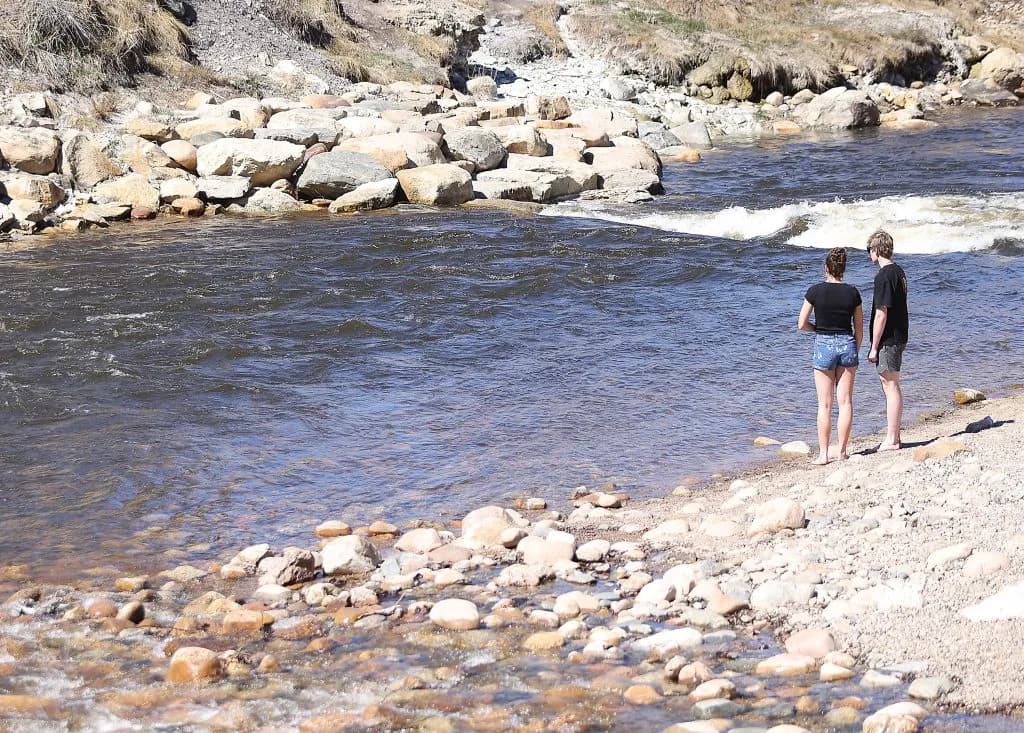
Steamboat Springs —What's behind the unusually early spring runoff flows in the Yampa Valley? Dry conditions and warm temperatures are causing late-March water flows to reach levels typically seen in late April. This is not a normal pattern - the quicker snowmelt and earlier drying out of pasturelands are hitting levels now that usually occur a month later in the spring.
Locals are already feeling the effects. Area ranchers are activating irrigation ditches weeks earlier than usual. Runoff flowing down Fish Creek, the primary water source for the city of Steamboat Springs, is almost one month ahead of the historical average. At 9 p.m. on March 21, the flow displayed by the U.S. Geological Survey gauge near the Fish Creek Water Plant showed 62 cubic feet per second. That's a volumetric flow rate usually seen on April 18, according to gauge records from 1966 to 2025.
Frank Alfone, general manager at Mount Werner Water and Sanitation District, notes that over the last two years, the runoff has been running sooner than average. This means the possibility of having to release from the reservoir earlier in the season because there is less water in the creek. Make no mistake - this will impact water management in the area. The water gauge historically records a peak seasonal flow of 464 cfs on June 8, but this summer the peak will occur much sooner than average.
For folks around here, that also means highly visited Fish Creek Falls will be at peak flow three to four weeks sooner than its average early June date. The short version: our water sources are being depleted faster than usual. In the Colorado high country, the highest daily water volumes on a stream fed by snowmelt happen late in the evening or overnight after the melt travels downstream during the warmer daytime. As a reference point, 1 cubic foot of water is 448.8 gallons per minute - that's a lot of water.
Fish Creek Reservoir is currently sitting at 47% of fill capacity, a normal level for this time of year. However, that percentage continues to increase. Water managers do not want that level to drop below 30%. The water district manager points out that Steamboat fortunately has two water sources, the Fish Creek Plant and the Yampa Wells Plant. With low snowpack levels this year, Yampa Wells Plant water processing will likely begin one month sooner than usual, on April 15 instead of May 15, to take pressure off the primary water source.
Water Management Implications
The balancing act involved in keeping both water plants operating efficiently will be a challenge. We'll operate the Yampa Wells Plant as long as we can to supplement the Fish Creek Plant, according to Alfone. This means relying less on the primary plant this summer and more on the Yampa Wells Plant to maintain adequate reservoir levels. The goal is to get enough water to meet the community's needs.
Read that again: low snowpack levels this year mean we're starting to process water from the Yampa Wells Plant a month early. That's what's happening in the Yampa Valley. The community will be watching how this plays out - worth watching, indeed. As the situation develops, locals will be looking for answers on how this will impact their water usage and the overall management of the area's water resources. What's not being said is how this will affect the long-term sustainability of our water sources. That's a question that still needs to be answered.
Keep up with Steamboat Springs
The day's Western Slope news, one email each morning. Free.