U.S. Forest Service Charges $5 E-Bike Fee for Maroon Bells Summer Access
The U.S. Forest Service imposes a $5 fee on e-bikes entering the Maroon Bells Scenic Area, classifying them as motorized vehicles to manage increased traffic and infrastructure wear from tourists.
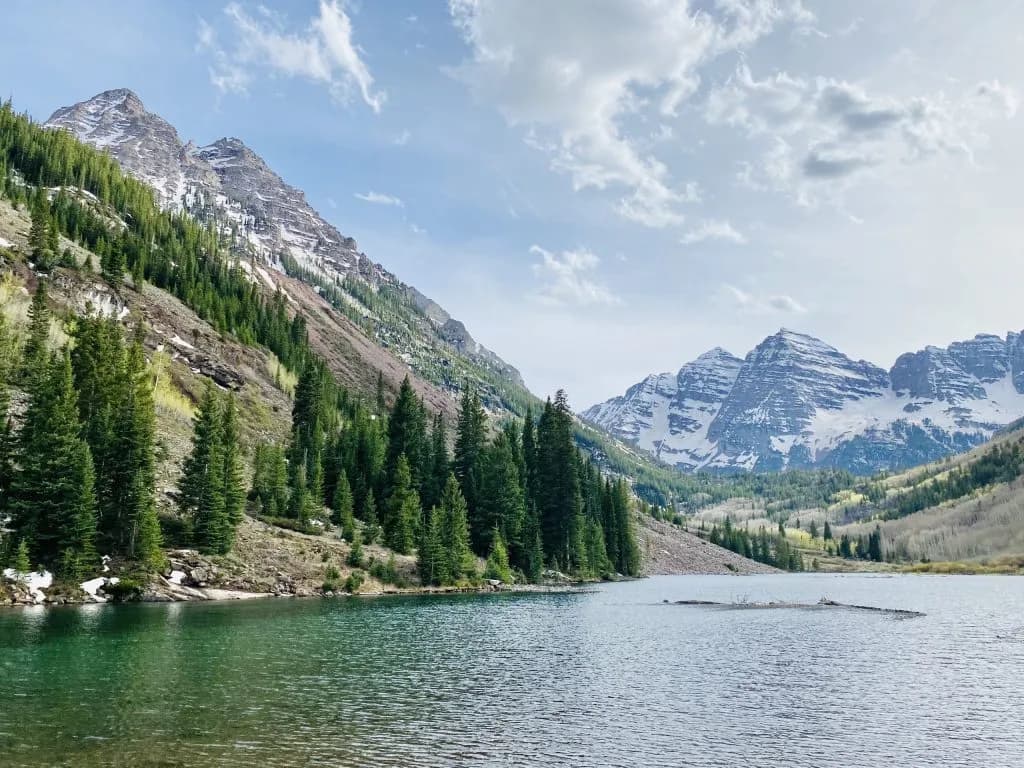
Aspen —A $5 fee. That’s the new cost for riding an e-bike into the Maroon Bells Scenic Area this summer.
It sounds like pocket change until you realize it’s the exact same price as a motorcycle. The U.S. Forest Service has classified e-bikes as motorized vehicles, and they’re treating them like one when it comes to the bill. This isn’t a tax hike for locals who already park their cars; it’s a direct charge on the thousands of visitors pedaling up Maroon Creek Road.
Let’s look at the volume. Last year, more than 8,000 e-bikes entered the scenic area. Compare that to 700 motorcycles. The numbers don’t lie: e-bikes are dominating the road, and they’re using the trails and facilities just as much as the motorized crowd. David Boyd, public affairs officer for the White River National Forest, noted that the biggest impact is along Maroon Creek Road itself. That’s the stretch shared with cars and buses. The Forest Service is urging riders to stick to single file on the right side, rather than clogging the lane side-by-side.
Most of those 8,000 riders aren’t locals hauling their own bikes up the mountain. They’re tourists renting e-bikes from local shops. Boyd confirmed this based on rental shop data and on-site observations. So, the revenue is flowing from out-of-town visitors back into the management of the area they’re visiting.
Jennifer Schuller, Acting District Ranger, put it plainly: “Recreation fees are a key part of operating and maintaining the Maroon Bells Scenic Area for the benefit of the public.”
This isn’t a new experiment. It’s a policy adjustment based on usage spikes. The fee applies only to e-bikes. Non-motorized bicycles ride free. The logic is that e-bikes cause more wear and tear, move faster, and require more infrastructure management than a standard bike.
Boyd expects another busy summer and fall. The Maroon Bells are iconic, and the traffic will reflect that. The $5 fee is designed to offset the specific costs associated with that motorized influx. It’s not a revenue grab for the general fund. It’s a user fee for a specific mode of transport that has exploded in popularity.
For the neighbor renting an e-bike in Aspen and heading up to the Bells, the cost is clear. Five dollars. Add it to the rental fee, the shuttle alternative, or the parking pass. It’s the price of admission for a faster, easier climb. The Forest Service isn’t banning e-bikes. They’re just asking them to pay their way, just like the motorcycles that have been using the road for decades.
Keep up with Aspen
The day's Western Slope news, one email each morning. Free.

S&P 500 Slips Modestly as Weak Retail Sales and Oil Prices Drive Market Correction

Aspen Essay Connects Generations Through Highway 82 Landmarks