US Forest Service Restructures Operations in Western Slope
The US Forest Service is undergoing a significant overhaul, moving its headquarters and adopting a state-based model, which may impact local forests, communities, and economies in the Western Slope.
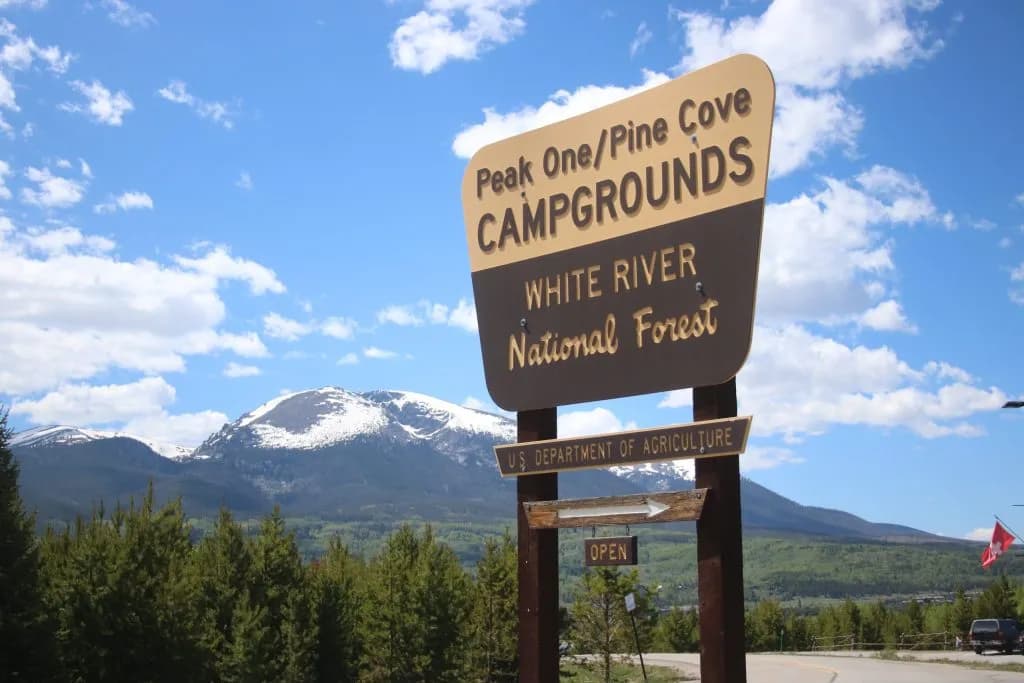
Aspen —"The nation is witnessing a deliberate dismantling of public land institutions" — that's what former White River National Forest Supervisor Scott Fitzwilliams said after the Trump administration required him to fire more than a dozen employees. Now, the US Forest Service is undergoing a "sweeping restructuring" — moving its headquarters from Washington D.C. to Salt Lake City, Utah, and adopting a "state-based organizational model."
This change will impact the Western Slope, our public lands, our communities, and our economy. The Forest Service will close all 10 of its regional offices, including the one in Lakewood, and move operations to a "network of operational service centers" in six cities. Fort Collins will become the headquarters for the agency's research operations, but dozens of other research centers across the country will close.
Make no mistake; this is a significant overhaul. The Forest Service chief and two-thirds of the Washington-based staff will relocate to Salt Lake City or one of the service centers. Colorado will share a "state office" with Kansas, and 15 state directors will oversee operations within one or more states.
The short version: the Forest Service is changing how it operates, and it's not just a matter of moving offices. The regional system, in place since 1907, is ending. This will likely affect how our local forests are managed - and that's worth watching.
Forest Service Chief Tom Schultz said the goal is to build a "nimble, efficient, effective" agency that's closer to the communities it serves. But the timing of this announcement, coming after the Trump administration's mass firings and calls to reorganize, has raised concerns that public lands are under attack.
Read that again: 56 research facilities will close, and only 20 will remain. These changes aim to "unify research priorities"; but what does that mean for our local forests, our wildlife, and our waterways? The community is still waiting for answers.
The reorganization plan calls for a more decentralized approach, with state directors overseeing operations and serving as national leaders. But what about the potential risks - the loss of institutional knowledge, the disruption of ongoing projects, and the impact on local economies?
Locals are right to be concerned. Over 2 million acres of public land in Colorado are managed by federal agencies - that's roughly 10% of the state's total area. Any changes to how that land is managed will have far-reaching consequences.
As the situation unfolds, folks around here will be paying close attention to how this restructuring affects our public lands, our communities, and our way of life. Federal land management policies need to be transparent about their plans and ensure that the needs of local communities are being met.
The community deserves clear answers, not just PR statements. What will happen to the employees who are losing their jobs? How will the new state-based model affect the management of our local forests? And what's the real motivation behind this sweeping restructuring?
For now, the questions outnumber the answers. The overhaul is a story that will continue to unfold; and TheSlope.co will be watching closely.
Keep up with Aspen
The day's Western Slope news, one email each morning. Free.