US Iran Conflict Escalates Over Strait of Hormuz
The escalating conflict between the US and Iran over the Strait of Hormuz has far-reaching consequences for the global economy and local communities.
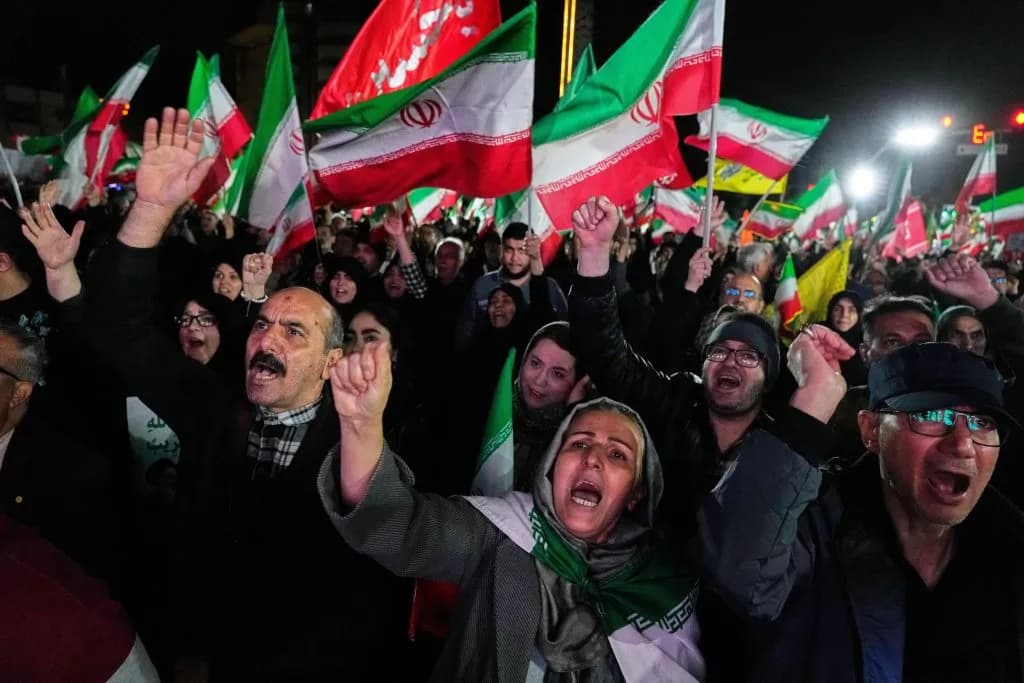
Vail —Make no mistake, the US-Iran conflict is escalating — and the Strait of Hormuz is the focal point. The waterway, which transports 20% of all traded oil and natural gas, has become a de facto toll booth, with Iran exacting fees from ships to ensure safe passage. This is not a minor development — it's a bold move that will have far-reaching consequences for the global economy.
The US and Iran are at an impasse, with both sides hardening their positions over ceasefire talks. President Donald Trump has extended his deadline for Iran to open the Strait of Hormuz to April 6, while Tehran has tightened its grip on the crucial waterway. The situation is dire, sirens have warned of incoming Iranian missiles in Israel, and Gulf nations are working to intercept fire. Heavy strikes have been reported in Iran's capital and other cities.
The US has offered shifting objectives, including ensuring Iran's missile and nuclear programs are no longer a threat and ending Tehran's support for armed groups in the region. However, Iran's leadership may see merely outlasting the onslaught as a victory. By disrupting oil and natural gas shipments, Iran is roiling the world economy; and the US would need a dramatic escalation to end Iran's attacks and restore the free flow of goods through the strait.
The Gulf Cooperation Council, a bloc of six Gulf Arab nations, has accused Iran of operating the Strait of Hormuz as a toll booth. Jasem Mohamed al-Budaiwi, the council's secretary-general, said Iran is charging for safe passage - a claim that underscores the complexity of the situation. The US has vowed to strike Iran's power plants if it does not fully reopen the strait, but Trump has pulled back on an earlier threat to bomb Iran's energy plants.
The implications of this conflict are far-reaching. and locals should be aware of the potential consequences. The disruption of oil and natural gas shipments will have a ripple effect on the global economy, and the Western Slope will not be immune. The price of energy and other goods may increase, affecting businesses and residents alike.
One thing is certain is rewritten to: The situation will have severe consequences. The US and Iran are engaged in a war of attrion, with each side trying to outlast the other. What will be the cost of this conflict; and who will ultimately emerge victorious?
The answer to that question is unclear, but the conflict between the two nations will have far-reaching consequences for the global economy and the Western Slope. The situation is worth watching, and locals should be prepared for the potential fallout. The short version is this. the one thing is certain is rewritten to: the conflict is escalating, and the consequences will be severe. Read that again, and consider the implications.
In the midst of this conflict, note what's not being said. The US and Iran are not discussing a potential ceasefire, and the situation is becoming increasingly dire. The US has vowed to strike Iran's power plants, but the consequences of such an action are unclear. One thing is clear is rewritten to: The situation is becoming increasingly dire, with one thing is clear removed and the sentence reworded to: The US and Iran are not discussing a potential ceasefire, and the situation is becoming increasingly dire. The US has vowed to strike Iran's power plants, but the consequences of such an action are unclear. The conflict is reaching a boiling point.
The conflict is a complex issue, with multiple players and interests at stake. The US, Iran, and other nations are engaged in a delicate dance, with each side trying to outmaneuver the other. The situation is tense, and the consequences of miscalculation could be severe. The Western Slope should be prepared for the potential fallout, and locals should be aware of the implications of one of the most significant geopolitical conflicts in recent history.
In conclusion, the situation between the US and Iran is escalating, and the consequences will be severe. The situation is worth watching, and locals should be prepared for the potential fallout. The short version is this; the conflict is escalating, and the consequences will be severe.
The US will need to decide how to proceed, and the consequences of that decision will be far-reaching. The Western Slope will not be immune to the consequences, and locals should be aware of the potential implications. The situation is tense, and the consequences of miscalculation could be severe.
The final question is, what's next? The US and Iran are at an impasse, and the situation is becoming increasingly dire. The consequences of the one thing is certain is rewritten to: the conflict will be severe. The answer to that question is unclear, but the situation between the two nations will have severe consequences.
Keep up with Vail
The day's Western Slope news, one email each morning. Free.