U.S. Rescinds Roadless Rule, Leaving Colorado Forests Protected
Agriculture Secretary Brooke Rollins rescinded the federal roadless rule Tuesday, opening 45 million acres to development. Colorado’s 4.2 million protected acres remain exempt under state-specific boundaries established in 2012.
Aspen —U.S. Agriculture Secretary Brooke Rollins announced Tuesday that the federal government is formally rescinding the 2001 roadless rule, a move that opens nearly 45 million acres of U.S. Forest Service land across 38 states to logging, construction, and development. Colorado is not on that list.
The Trump administration’s proposal targets the federal framework established under President Bill Clinton, which preserved about one-third of national forest land as backcountry wilderness. Rollins called the existing policy "outdated" and said it has tied the hands of local land managers. The agency will accept public comments on the proposal and a draft environmental impact statement through September 21 at regulations.gov.
Conservation groups have condemned the rollback, fearing that removing these protections will allow more human activity to wreak havoc on local ecosystems. Yet millions of acres in Colorado and Idaho remain spared under a longstanding agreement with the federal government.
The reason lies in a 2005 amendment to the original Clinton-era rule, which gave states the ability to petition for their own roadless rules. Former Colorado Governor Bill Owens kicked off that petition process in 2005. It took seven years for the state to break away from federal policy and adopt its own boundaries in 2012. Idaho had already adopted its boundaries in 2008.
Both states’ boundaries largely mirror what was designated under the federal roadless rule, with specific exceptions. Colorado’s state-specific rule allows for ski area expansions that would otherwise be banned under the national rule.
Colorado’s roadless rule applies to just under one-third of the state’s Forest Service land, spanning approximately 14.5 million acres. Of that total, 4.2 million acres are specifically protected under the state’s adopted rule.
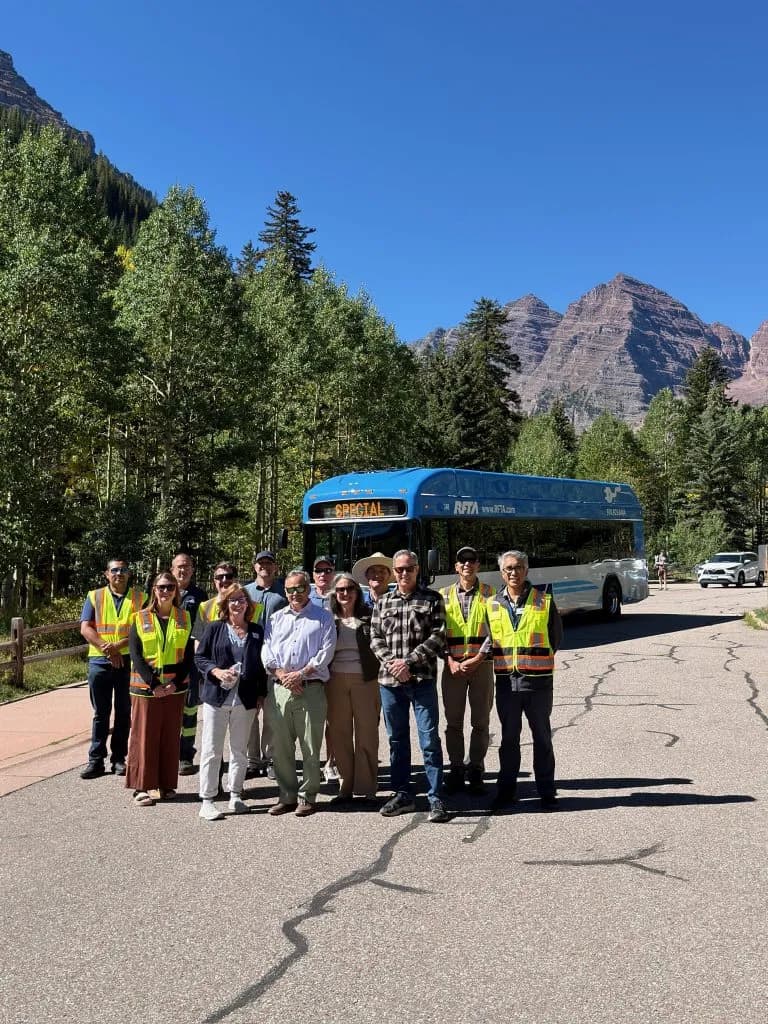
Popular areas currently shielded by these protections include the Maroon East Roadless Area at the base of the Maroon Bells. The Tenmile Roadless Area is also covered, traversed by both the Continental Divide National Scenic Trail and the Wheeler National Recreation Trail near Breckenridge and Copper mountains.
When Rollins announced efforts to end the federal roadless rule last year, she included a caveat that protections for Colorado and Idaho would not change. An unnamed Forest Service spokesperson confirmed in an email on Tuesday that this remains the case, stating, "Colorado is not affected by today’s proposal because it already has its own state‑specific roadless rules, tailored to the [state's needs]."
The distinction matters for locals who rely on these lands for recreation and tourism. It also matters for property values near trailheads and ski resorts where expansion rights are now clearly defined by state law rather than federal decree.
Rollins’ statement emphasizes a shift toward productivity, arguing that returning forests to local management will improve their health. But for the communities living in the shadow of the Rockies, the real story is stability. The nation isn't taking away their wilderness; it's just stopping trying to manage it from Washington.
Stand there long enough at the trailhead near Copper Mountain, and you can see the difference between a federally managed roadless area and one that has found its own voice. The latter doesn't need permission to expand, nor does it fear a sudden change in federal policy.
The Vail Daily reported on the announcement, highlighting the specific acreage and historical context of Colorado’s exemption. The Daily Sentinel noted the timeline of Owens’ petition process, showing how long it took to secure this autonomy.
This isn't a temporary reprieve. It is a structural fact of life for Western Slope residents. The 4.2 million acres protected under Colorado’s rule are not subject to the new federal repeal. They remain what they have been since 2012: Colorado’s own roadless areas, defined by Colorado’s needs.
The Forest Service email confirms it plainly. No new rules for us. Just the same old mountains, now with clearer boundaries and fewer federal strings attached.
Keep up with Aspen
The day's Western Slope news, one email each morning. Free.