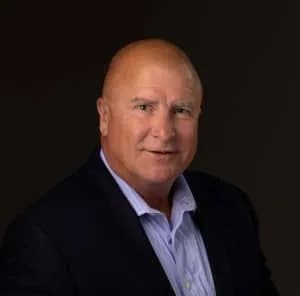
Vail Council Member Rob LeVine Recalls First Colorado Roundabout
Former Vail Town Council member Rob LeVine recalls the $1 million installation of Colorado’s first roundabout and the town's struggle with booming traffic during his 1989-1993 tenure.
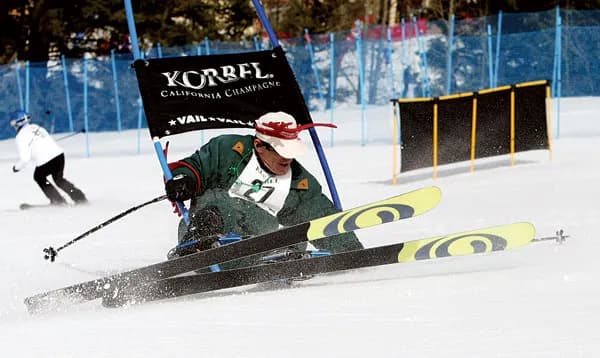
Aspen —The air in the Back Bowls holds a specific kind of silence, a hush broken only by the crunch of skis carving into fresh powder and the distant, rhythmic thud of a heart still racing from a fall. For Rob LeVine, that sound was a familiar companion, one that led him to spin around on a December day in 1989, his left ski boot hovering near his ear after a tree stump claimed his momentum. It was a compound fracture, a shattered femur, the kind of injury that sends a shiver through the bones of anyone who has ever trusted their life to a pair of skis on a mountain that doesn’t care about your resume. Yet, by the following December 15, he was back on the snow, whole again, proving that the valley’s spirit could heal even the deepest breaks.
LeVine’s story is woven into the fabric of Vail’s history, not just as a skier who survived the deep powder, but as a leader who helped steer the town through its own growing pains. Serving on the Town Council from 1989 to 1993, he watched as Vail’s popularity exploded, turning the quiet mountain resort into a bustling hub that threatened to choke on its own success. The traffic jams at the four-way stop off Interstate 70 were, in LeVine’s words, "horrendous," a nightmare of bumper-to-bumper traffic that made ski days feel less like a vacation and more like a commute.
It was during this era of congestion and expansion that Vail took an unorthodox step, installing the first roundabout in the state. The concept was still relatively new, having been pioneered in Colorado Springs, but integrating one with a highway interchange in a snowy, mountainous terrain was a bold, almost radical idea. The cost was steep — around a million dollars for that first roundabout — and the controversy was palpable. It was an unknown variable, a big-ticket item that required faith in a design that many locals had never seen in action. But as LeVine noted, something had to be done. The alternative was standing still while the town suffocated under the weight of its own popularity.
LeVine’s connection to the land and the people of Vail runs deep, rooted in family history and personal experience. His mother, who broke both her legs on the Slot in the Back Bowls, was treated by Dr. Tom Steinberg, Vail’s first doctor. Steinberg was more than just a physician; he was a fierce wilderness and public lands advocate, a man who understood the delicate balance between development and preservation. Decades later, LeVine would serve on the Town Council alongside Steinberg, a coincidence that added a layer of irony and continuity to their public service. They joked about the incident, a light-hearted moment that belied the serious work they were doing to shape the town’s future.
The oral history, part of the Vail Public Library’s Vail Valley Voices Collection, offers a window into a time when Vail was grappling with its identity. It was a period of transition, where the town had to decide whether it would remain a secluded retreat or embrace its role as a major destination. LeVine’s reflections on the roundabout, the traffic, and the community’s response provide a nuanced view of that pivotal moment. It wasn’t just about building infrastructure; it was about finding a way to live with change, to adapt without losing the soul of the place.
As the snow falls on the slopes today, the legacy of those decisions remains visible. The roundabouts guide traffic, the trails invite skiers, and the stories of those who came before continue to shape the narrative of the valley. It’s a reminder that progress is often messy, fraught with risk and uncertainty, but it’s also an opportunity to create something better. And if you look closely at the snow-covered peaks, you can still feel the echo of those early skiers, their tracks fading into the white, but their impact enduring.
Keep up with Aspen
The day's Western Slope news, one email each morning. Free.