Green Gentian Blooms at Independence Ghost Town Amid Drought
Rare Green Gentian flowers bloom in force at the Independence Ghost Town mill site, offering a resilient natural tribute to the camp's July 4, 1879 founding despite current drought conditions.
Aspen —“‘It just feels like this gift that in this drought and smoke-filled summer, we’re being treated to this beautiful show.’”
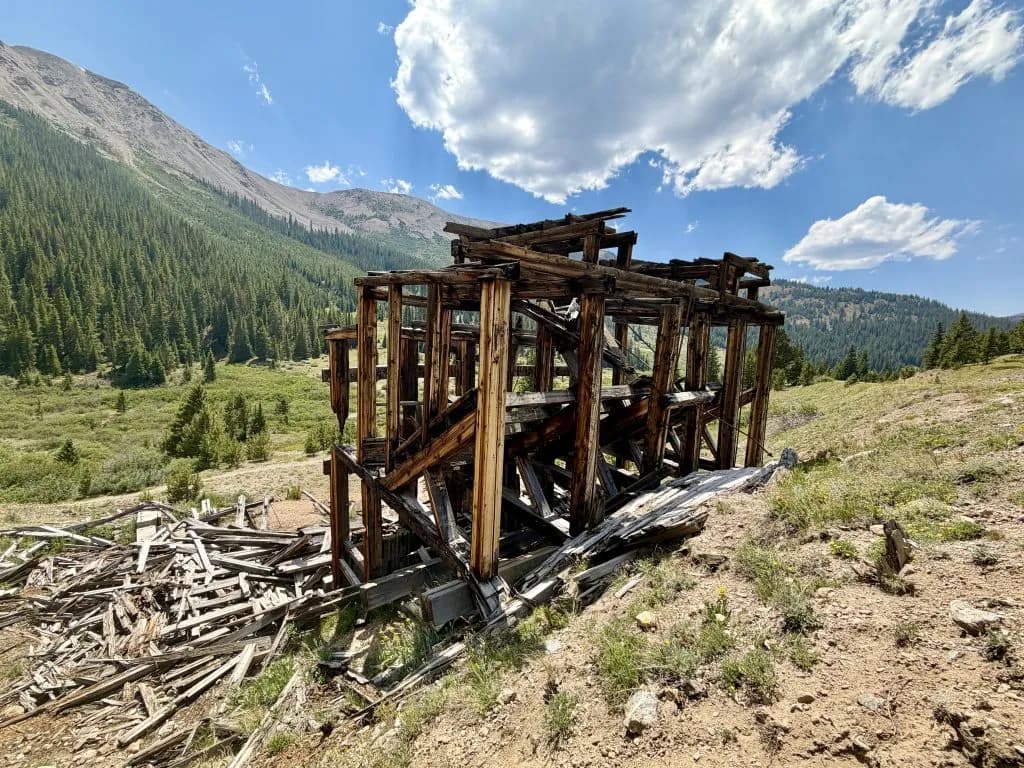
Karin Teague, executive director of the Independence Pass Foundation, isn’t just talking about the weather. She’s talking about the Green Gentian, or Monument Plant, blooming in force around the old mill site at the Ghost Town of Independence. It’s a rare sight, especially given the current drought conditions, and it’s happening right where, according to legend, gold was struck on July 4, 1879.
The timing is more than coincidental. As the U.S. celebrates its 250th anniversary and Colorado marks its 150th, Aspen is observing its own patriotic milestone. The town’s history began here, at this specific spot in the Roaring Fork Valley, long before the ski slopes or the high-end real estate took over.
“Once gold and then silver were discovered at the Independence town site, it then became apparent those mountains had ore, and that’s really what led to movement into the Aspen area and the founding of our town,” Teague said. “It was … just such serendipity with our history and the nation’s history.”
Before it was Independence, the camp went by a dozen other names: Farwell, Chipeta, Sparkhill. The pass itself was Hunter. But once Billy Belden struck the Independence Gold Lode on Independence Day in 1879, the name stuck. And so did the people.
By the summer of 1880, residents were already building log cabins and opening businesses along what is now Aspen Avenue. The population hit 300 that year. By 1882, it had jumped to 1,000. Kit Carson ran a stage route from Leadville to Aspen using this town as a station. There were over 40 businesses: three post offices, four grocery stores, boarding houses, and three saloons.
The gold production was real, too. Over $190,000 in gold was extracted from the ground. But the boom didn’t last. The local gold veins were shallow deposits, easily exhausted. By June 1882, the mines and the mill were closed. The bust was quick, but the foundation it laid for Aspen was permanent.
Now, the only things left standing are the ruins and the flowers. The Green Gentian is blooming despite the drought, a visual reminder of the resilience that defined the original camp. It’s a stark contrast to the modern economic engine of Aspen, which relies on tourism and energy rather than shallow gold veins. But the connection remains. The town that grew from this camp is still here, still drawing visitors, still celebrating its roots.
Teague notes that the superbloom is a “gift” in a summer filled with smoke and dry conditions. It’s a natural celebration of the holiday, mirroring the historical one. The interpretive sign at the site tells the story of the boom and bust, but the flowers tell a different one — one of endurance.
“The appropriateness of the superbloom at Independence symbolizes the vibrant and enduring history that lives on there to this day,” Teague said.
It’s a quiet commemoration. No fireworks, no parades. Just flowers and history, visible to anyone who drives up Independence Pass. It’s a reminder that Aspen didn’t start as a ski town. It started as a mining camp, a place where people bet their lives on shallow gold veins. Most lost. Some won. And a few, like the town itself, endured.
As the U.S. and Colorado look back at their own anniversaries, Aspen is looking back at its own. The Green Gentian is blooming, the ghost town stands silent, and the history remains. It’s a fitting tribute to a town that was born on Independence Day, even if the gold didn’t last.
Keep up with Aspen
The day's Western Slope news, one email each morning. Free.