Vail Hill Climb Celebrates 50 Years of Community Identity
The Vail Hill Climb marks 50 years as a non-commercial community ritual, fostering local identity through shared effort and tradition rather than corporate sponsorship or high entry fees.
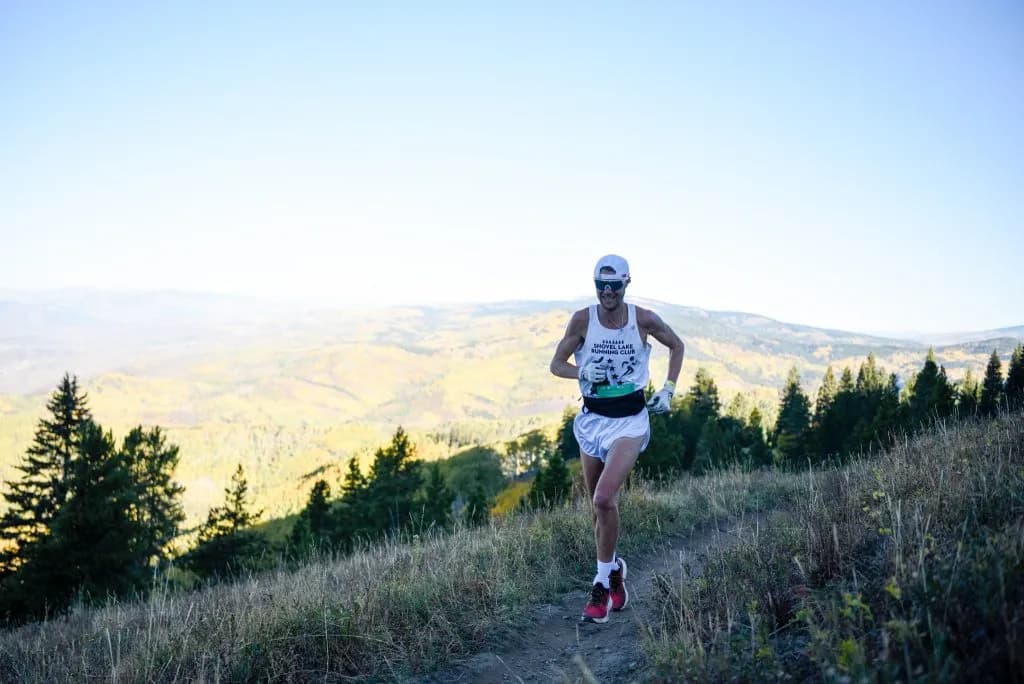
Aspen —What does a 50-year-old footrace actually cost the community, and why do we keep pretending it’s just about running up a hill?
The Vail Hill Climb isn’t a race. It’s a ritual. And according to the latest reporting in the Vail Daily, it’s become a mirror for how this town defines itself. The article, titled "Skieologians: A toast to all the Vail Hill Climb stories," argues that the event captures the "essence of Vail" better than any tourism brochure ever could.
Let’s look at the numbers, or rather, the lack thereof. There is no million-dollar purse listed here. No corporate sponsorships dominating the headlines. The cost to locals is measured in time, effort, and perhaps a few doughnuts.
The origin story involves Vail Resort employees deciding to run to work at the top of Lionshead. They were tired of commuting and wanted to prove they could conquer the slope they loved. That’s entrepreneurial spirit, sure. But it’s also stubbornness. It’s the kind of stubbornness that keeps a ski town alive when the snow doesn’t fall hard enough in February.
The article highlights Peter De La Cerda, a name familiar to serious runners. He placed second in the 2000 Olympic Trials. A technicality cost him a spot in Sydney. Three years later, he entered the hill climb on a dare. He won. That victory sent him to the mountain running world championships, allowing him to wear the red, white, and blue.
“You always gain the experience, the memories and adventures from races you might not have thought about competing in,” De La Cerda told the Vail Daily. “God puts you in the places sometimes for reasons unknown at the time, but later when you reflect you realize, ‘I am glad I trusted in Him to put me at the right time and right place.'”
That’s a nice quote. It’s also vague on logistics. What does it mean for the average resident?
It means the event remains a community exercise, not a commercial one. The article notes that participants return for three reasons: it’s fun, there are doughnuts, and the views are good. That’s a low barrier to entry. No registration fees mentioned in this context, no ticket prices for spectators. Just people showing up.
The author of the piece, who moved to Alamosa in 2015 and later worked as an elementary music teacher, dug through old results to find a pattern. Every anecdote wove into a larger tapestry. The event isn’t about speed. It’s about belonging.
Even everyday joggers brush against greatness here. Frank Shorter ran it. He felt like just another member of the community. That’s not a marketing slogan. That’s a fact reported by locals who actually know him.
The article opens in 2015, when the writer started his series. He was a new teacher, trying to make ends meet while pursuing a master’s in exercise science. He hired Peter De La Cerda as an assistant coach at Alamosa High School. The connection between the high school gym and the mountain peak is direct. It’s local talent feeding local legend.
There’s no infrastructure upgrade mentioned. No new roads paved for the event. No traffic studies released by the county. The cost is social, not financial. It’s the price of maintaining a specific type of identity in Eagle County.
If you’re wondering why this matters to your property taxes, it doesn’t directly. But if you’re wondering why Vail feels different than Aspen or Breckenridge, this is the answer. It’s not the luxury condos. It’s the people running up a hill because they can, and because their friends are there to watch.
The article doesn’t offer a budget breakdown. It offers a cultural one. The cost is the doughnuts. The value is the story.
For context, this isn’t a new phenomenon. It’s been happening for 50 years. The question is whether the next generation of residents will care enough to keep running it, or if they’ll let it become another photo op for visitors.
De La Cerda’s quote suggests it’s about trust. Trust in the mountain. Trust in the community. That’s hard to put a dollar sign on, but it’s easy to lose if you stop showing up.
The practical bottom line: The Vail Hill Climb costs locals nothing but their time. It gives them a reason to look at the mountain differently for one morning a year. That’s a fair trade, assuming you value history over convenience.
Keep up with Aspen
The day's Western Slope news, one email each morning. Free.