Vail Proposes New Parking Rates to Cover $2.5M Summer Costs
Vail town staff proposes tweaked parking rates and a unified local pass to help cover the $2.5 million annual cost for parking maintenance and summer transit services.
Aspen —“$2 million annually.”
That’s the price tag Vail town staff is attaching to the preservation of aging parking structures. It’s not a vague estimate. It’s the specific number they need to hit every single year to keep the concrete from crumbling under the weight of thousands of cars. And this Tuesday, the Town Council is going to look at the ledger from last summer and decide if the current model actually works.
The first year of summer paid parking was a mixed bag. Locals grumbled about being squeezed for extra cash when the ski lifts weren’t running. Visitors complained about the hassle. And the revenue? It fell short of projections. But the town isn’t throwing in the towel. They’re proposing a tweaked system for 2026 that tries to balance the books while offering some concessions to the people who actually live here.
Picture this: You’re driving into Vail Village on a humid July afternoon. You circle the block twice, looking for that elusive spot near the restaurants. Last year, you’d be sweating and cursing. This year, you might just swipe a card or tap your phone. The proposed rates stay simple: $2 an hour, capped at $10 a day. And if you’re not in a huge rush, you can still park for free after 3 p.m. That’s a carryover from last summer, a small mercy for folks who work late or just want to avoid the morning rush.
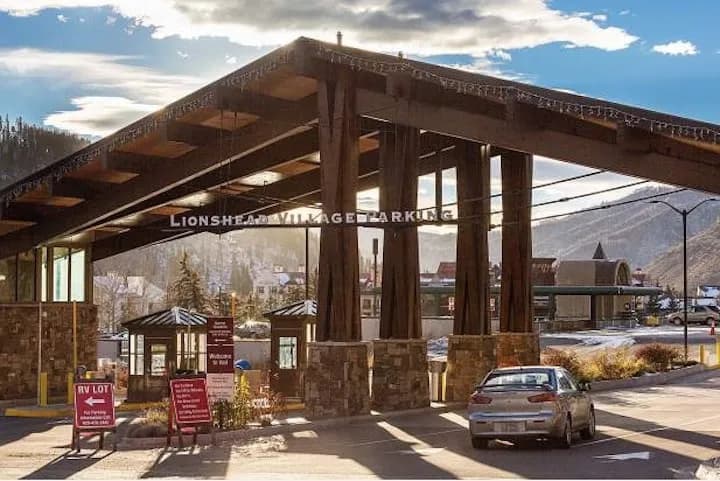
But here’s the thing though — the biggest change targets the locals. Last year, the distinction between Vail residents and Eagle County residents created a confusing patchwork of passes. This year, town staff is proposing a single “Local Pass” for $40. That gets you three hours of free parking in the Vail and Lionshead garages. If you stay longer, the hourly rate drops to $1 an hour, capped at $5. It’s a small discount, but it’s a signal. The town is trying to say, we see you, and we want you to park here.
The financial stakes are high. The $2 million annual cost for parking maintenance is just the baseline. On top of that, the town needs another $500,000 a year to support expanded summer transit services. That’s $2.5 million in annual revenue required just to keep the wheels turning on Vail’s parking and transit infrastructure. Last summer’s shortfall means the town is under pressure to get it right this time.
The proposal includes a tiered pass system that ranges from $150 for employee passes to a hefty $1,200 for premier passes. The premier pass offers free parking everywhere, a luxury that underscores the town’s effort to monetize convenience for those who can afford it. Employee passes, at $150, offer free parking in Lionshead, a nod to the workers who keep the town running. And for the environmentally conscious, there’s a partnership with a local bike-share system offering short, free rides for pass holders. It’s a small incentive, but in a town obsessed with sustainability, it matters.
Overnight parking fees in Vail Village and Lionshead would be reduced compared to last summer, while Red Sandstone would maintain a lower overnight rate. Event parking at Ford Park and Vail Athletic Fields would remain at $20, with free parking incentives for carpools of four or more people. The goal is to encourage shared rides and reduce congestion during peak events.
Town staff has recommended the council approve the plan, with or without modifications, to ensure the program is in place before peak summer visitation begins. The summer parking season is proposed to run from May 29 through September 27. That’s nearly four months of paid parking, a significant chunk of the year when Vail transforms from a ski resort into a mountain resort for hikers, bikers, and families.
The Town Council’s regular evening meeting on Tuesday is set to begin at 6 p.m. at the Vail Town Hall, located at 75 N. Frontage Road. It’s where the rubber meets the road. Where the numbers get debated. Where the future of Vail’s parking infrastructure gets decided.
Outside, the sun is setting over the Gore Range. The parking garages are filling up. And somewhere in that concrete maze, a driver is wondering if the $2 an hour is worth it.
Keep up with Aspen
The day's Western Slope news, one email each morning. Free.

S&P 500 Slips Modestly as Weak Retail Sales and Oil Prices Drive Market Correction

Aspen Essay Connects Generations Through Highway 82 Landmarks