Vail Resorts CEO Warns Epic Pass Sales Lag 12% After Snowless Winter
Vail Resorts reported a $132 million revenue drop as CEO Robert Katz warned that Epic Pass sales are lagging 12% following a historic lack of snow in the West.
Aspen —The Epic Pass is selling 12% slower than usual. That’s the number that should keep Vail Resorts investors awake at night, not the flashy projections of a “significant recovery.”
Robert Katz, the CEO of Vail Resorts, sat down with investors on September 28 to discuss the company’s fourth-quarter results. He didn’t mince words about the past year. He called the 2025-26 season “one of the most difficult winters in history.” For context, the lack of snow in the West was historic. Nationwide, skier attendance dropped by an estimated 9 million. In Colorado alone, which saw 3.3 million fewer skiers, it was the worst attendance in 35 years.
Let’s do the math on what that meant for the books. Vail Resorts reported that net revenues for its resorts fell by $132 million, or 4.5%, during the fiscal year 2026, which ended on July 31. That’s a real hit to the bottom line. Katz attributed this decline directly to the “exceptionally difficult weather” of the previous season.
Now, here’s where it gets tricky for the current 2026-27 season. Katz admitted that Epic Pass sales were lagging by 12% through mid-September. Why? He suggested that skiers are holding off on early purchases, a hesitation he described as an attitude of “veremos más adelante.” After getting burned by a near-snowless winter, folks aren’t rushing to buy a multi-resort pass before they even know if there’s snow on the ground. It’s a rational response, but it’s bad for cash flow.
Katz did offer a glimmer of hope. He pointed out that historically, ski attendance bounces back quickly after a bad season if the following year has normal conditions. “We are well positioned to take advantage of that recovery,” he said. However, he added a major caveat. He doesn’t expect attendance to return fully to the levels of the 2024-25 season. His fiscal projections assume visitor volume will be “modestly lower” than originally forecast.
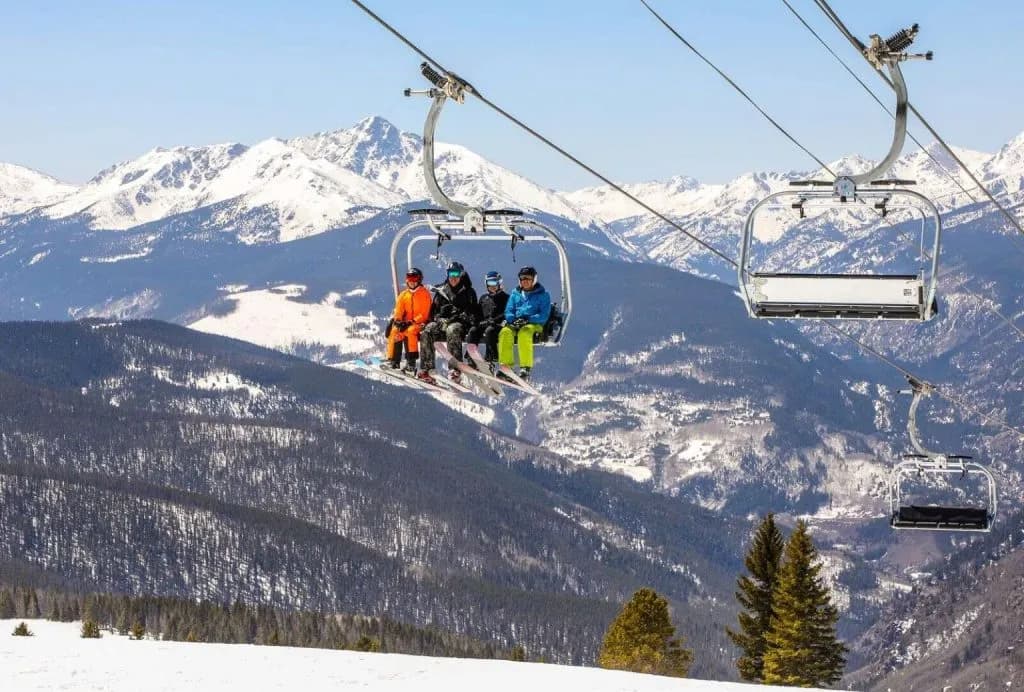
This matters because Vail Resorts owns 42 ski areas in the U.S., including heavy hitters in Colorado like Breckenridge, Keystone, Vail Mountain, Beaver Creek, and Crested Butte. All of them rely on the Epic Pass model. That model helped provide “significant stability” during the 2025-26 disaster by locking in revenue before the season started. But if people stop buying the pass early, that safety net weakens.
The industry is betting on a rebound, but the data suggests a cautious one. Skiers are cautious, and Vail Resorts is projecting a recovery that won’t quite reach pre-drought levels. For locals in the valley, this means a busy but not record-breaking winter. The slopes will be open, the lifts will run, but the crowds might be a bit thinner than we’re used to. That’s the reality of a post-anomaly winter.
Keep up with Aspen
The day's Western Slope news, one email each morning. Free.