Vail Resorts Stock Surges 11% as Oasis Capital Targets Park City
Vail Resorts shares jumped 11% to $145 as activist investor Oasis Capital Management prepares a proxy fight, with billionaire Matthew Prince targeting a $500 million acquisition of Park City Mountain Resort.
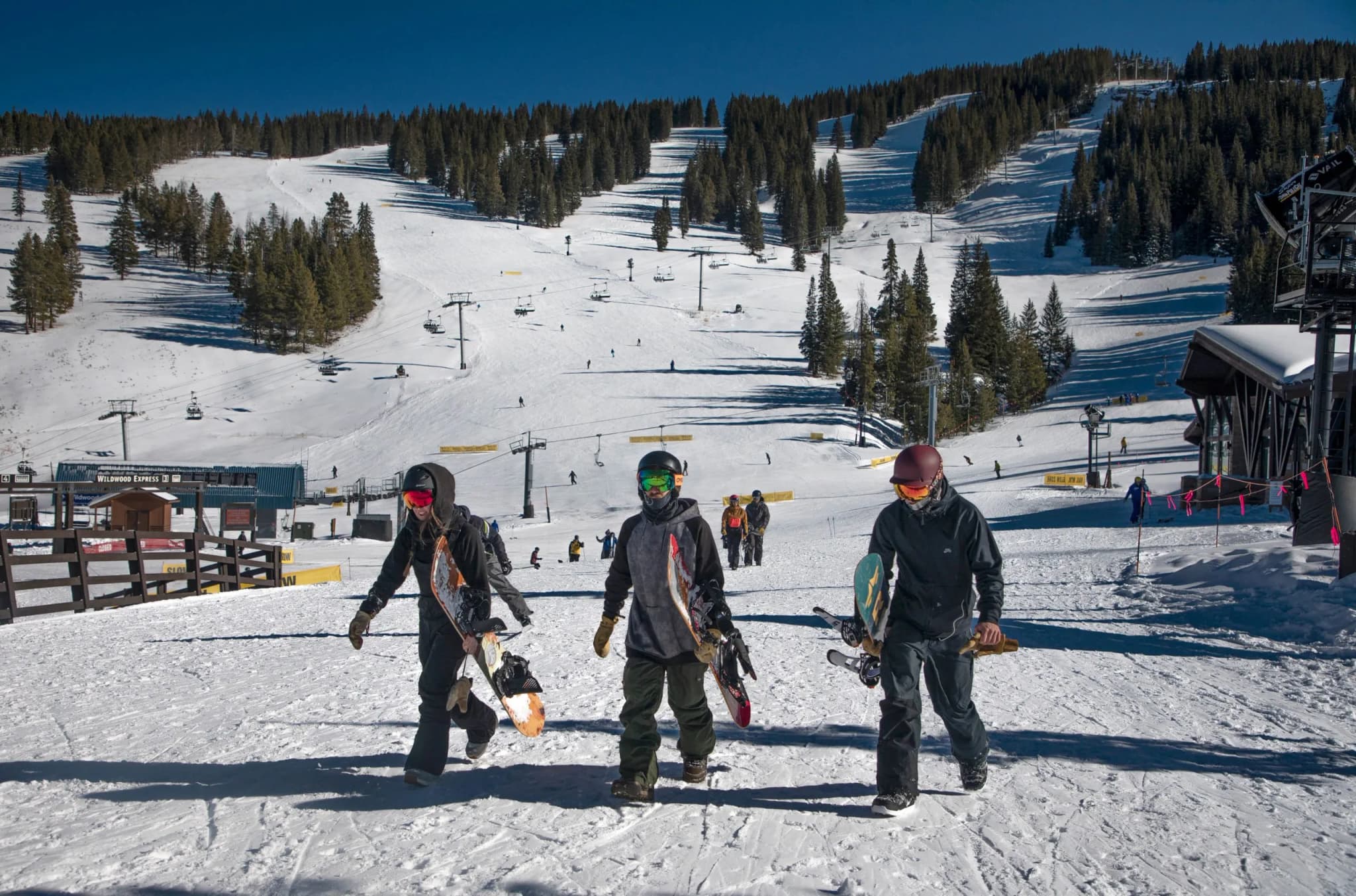
Aspen —Matthew Prince wants Park City Mountain Resort. He’s willing to put $500 million on the table to get it. That’s a single asset, one of the largest ski areas in the country, sitting in Utah. But for Vail Resorts, the bigger threat isn’t just losing a mountain. It’s the activist investors circling like sharks, looking to break up the whole network.
The stock reacted instantly. Vail’s share price jumped 11% in a matter of hours, soaring from $129 to $145. That’s not a slow climb. That’s frenzied trading. 2.6 million shares changed hands in a single day — triple the average volume. It was the company’s best performance on Wall Street in years. And it happened just ten days after the company admitted its winter was dismal and warned that pass sales were slowing.
The catalyst? Reports that Vail had hired bankers to defend against a takeover. Specifically, Oasis Capital Management, an activist investor with nearly an 8% stake, is weighing a proxy fight. They want to push out the current management. And leading the charge on the ground is Prince, the Park City billionaire who told The Colorado Sun that hostile investors are gathering to force changes. If Vail doesn’t sell to him, they might be forced to sell to someone else. Or worse, they might be forced to sell everything.
CEO Rob Katz isn’t waiting for the axe to fall. He went on the offensive this week, dropping an episode of his Epic by Nature podcast to defend the company’s core strategy. His argument is simple: scale matters. Vail doesn’t just own Vail Mountain. It owns a network of 42 ski areas. That’s the "heart of our business model," according to Katz. It’s not about shedding resorts for quick cash. It’s about selling season passes and delivering a consistent guest experience across a massive footprint.
Let’s look at the math. If you strip away the network, you strip away the resilience. A single resort is vulnerable to a bad snow year, a local economic dip, or a competitor opening nearby. A network of 42 assets spreads that risk. It allows Vail to cross-sell passes, optimize marketing spend, and maintain pricing power. That’s the defense Katz is pitching to the activists who think breaking up the company will unlock value.
But Prince isn’t buying the defense. He called the current management "incompetent capital allocators" in a post on X. He believes the market is undervaluing the assets because the current strategy is too focused on the long game rather than immediate liquidity. His $500 million bid for Park City is a test case. If Vail sells Park City, does the domino effect start? Do locals in Park City see a new owner who changes the culture, raises prices, or cuts costs? Or does the broader network stay intact, protecting the jobs and the tax base that these resorts provide to Western Slope communities and beyond?
The stock surge suggests the market thinks the takeover defense is working, at least for now. But the proxy fight is still on the table. Oasis Capital has the votes to make a change. And if they do, the strategy changes. The "safety in numbers" argument might just become a "liability of bloat" argument.
For the folks in the valley who rely on these resorts for their livelihoods, the bottom line is uncertainty. A $500 million sale of Park City is a headline. A full break-up of the 42-resort network is a logistical earthquake. It means new owners. New management styles. And potentially, a shift in how these mountains are funded and maintained. The stock went up. The tension is higher. And the question isn’t just whether Vail will sell. It’s what happens to the mountain when it does.
Keep up with Aspen
The day's Western Slope news, one email each morning. Free.



The digital counter on the side of the bus in Carbondale ticks over, but the seats inside are half-empty

Eagle County Launches Aging Well Roadmap To Keep Seniors Housed