Vance Ditches War Label as Midterms Loom
Vice President JD Vance avoided calling the conflict a war during a White House briefing, citing no active shooting. Brent crude prices remain above $95 per barrel as midterm elections approach.
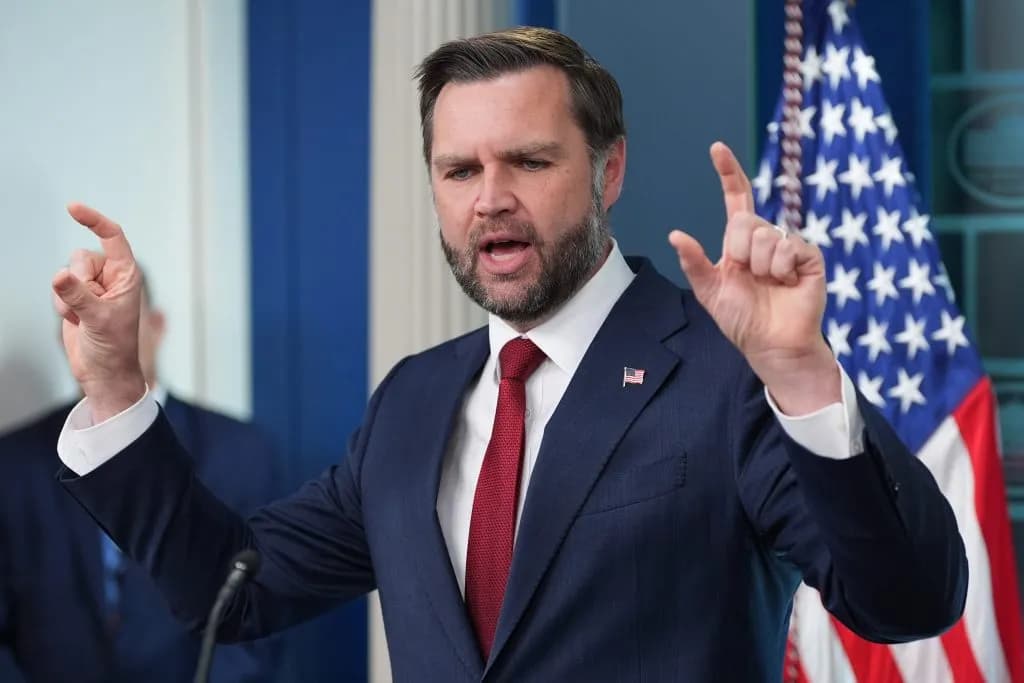
Aspen —The air in Washington often feels thinner than the humid heat rising off the asphalt of a Western Slope summer afternoon, but the tension in the White House briefing room on Thursday was palpable, a low-frequency hum that you can feel in your teeth before you hear it. It was there, in the pause before Vice President JD Vance spoke, that the strategy of the administration became visible: a careful, almost surgical removal of the word that has been sticking in the collective throat of the country for six months.
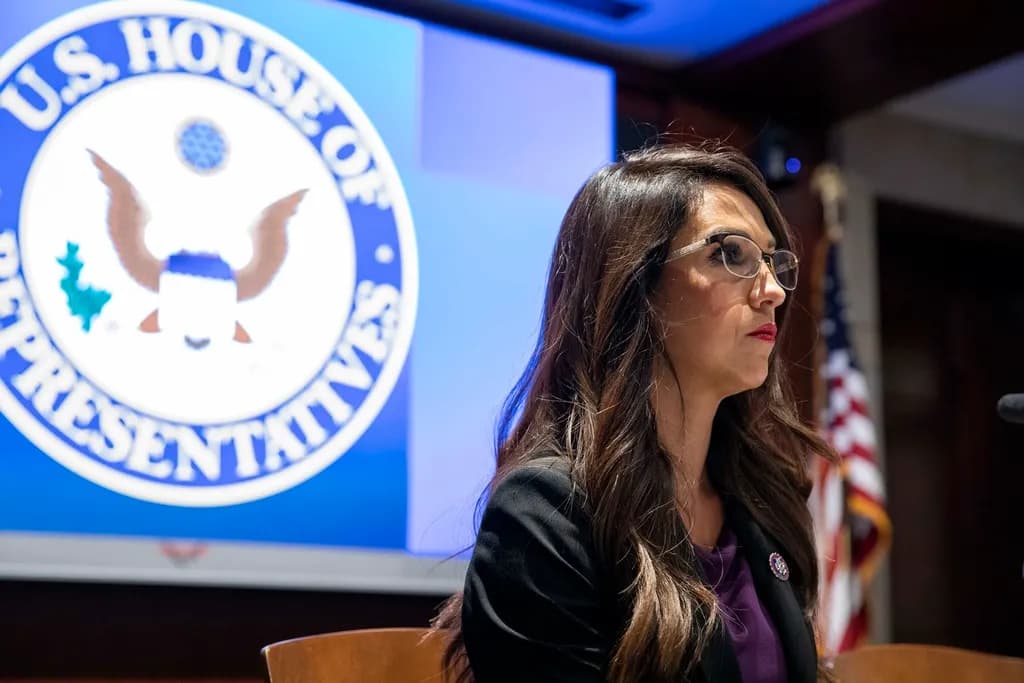
Vance looked directly at the reporters, his expression calm but deliberate, and said, “I wouldn’t call it a war.” He paused, letting the silence stretch, before adding, “Right now, there is no active shooting.” It was a simple statement, but it carried the weight of a political calculation. By rejecting the label, he was trying to shrink the conflict in the minds of voters who are already tired of hearing about it. The Vail Daily reported that Vance was steering clear of predicting that the fighting would be over by November’s midterm elections, a timing that is critical for Republicans trying to hold onto their narrow majorities in Congress.
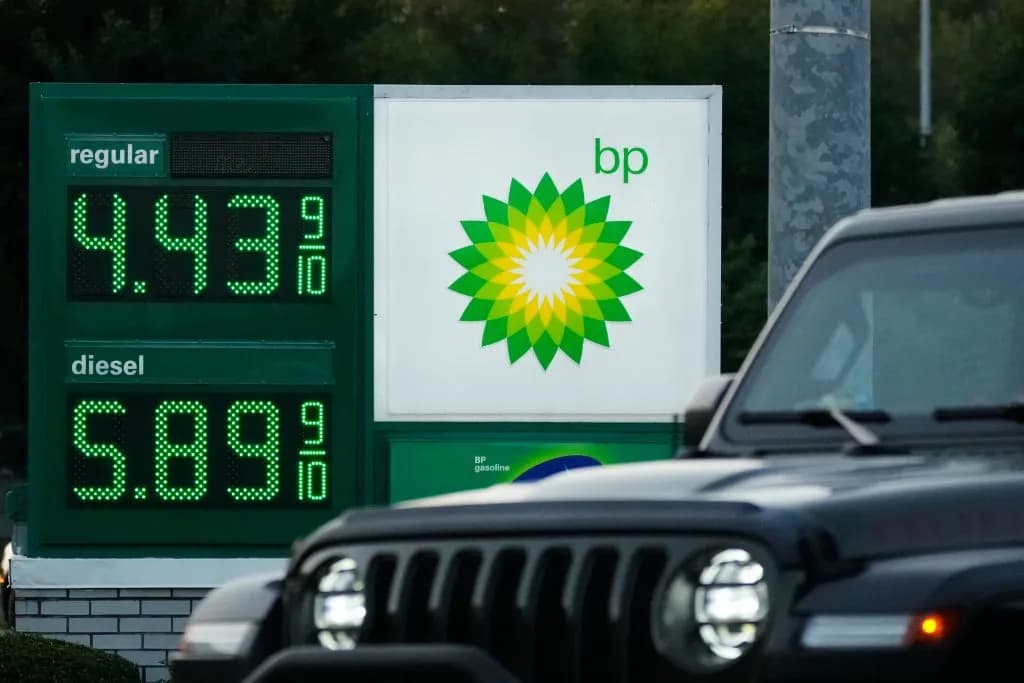
This minimization happens against a backdrop of rising costs that hit close to home for folks around here. Brent crude prices hovered above $95 per barrel Thursday, a stark jump from the $72 per barrel recorded the day before the conflict began. That spike translates directly to the pump, driving up gas prices and leaving consumers grappling with higher inflation. The administration insists that more oil is getting out of the Gulf, with Vance noting that the U.S. escorted about 15 million barrels on Wednesday alone. Yet, despite these assurances of control, the prices remain high, a tangible reminder that the economic ripple effects are still expanding.
The difficulty of this navigation is compounded by the fact that the White House initially promised a matter-of-weeks resolution. Now, with the midterm elections looming, the administration is tasked with persuading American voters to keep Republicans in control while managing an unpopular conflict that has outlasted its initial timeline. Vance’s refusal to set “artificial timelines” acknowledges this reality, admitting that the answer to when it ends lies with the Iranians. As the campaign season intensifies, the gap between the administration’s narrative of control and the lived experience of higher costs will likely widen, making the quiet removal of a single word seem both insufficient and essential. The scent of high-octane fuel lingers in the air, a sharp, chemical reminder that the stakes are far from settled.
Keep up with Aspen
The day's Western Slope news, one email each morning. Free.