Weaker US Dollar Hits Vail Valley Residents With Higher Prices
The decline of the US dollar is driving up costs for everyday goods in the Vail Valley, affecting residents and businesses alike. Learn more about the economic storm brewing in the valley.
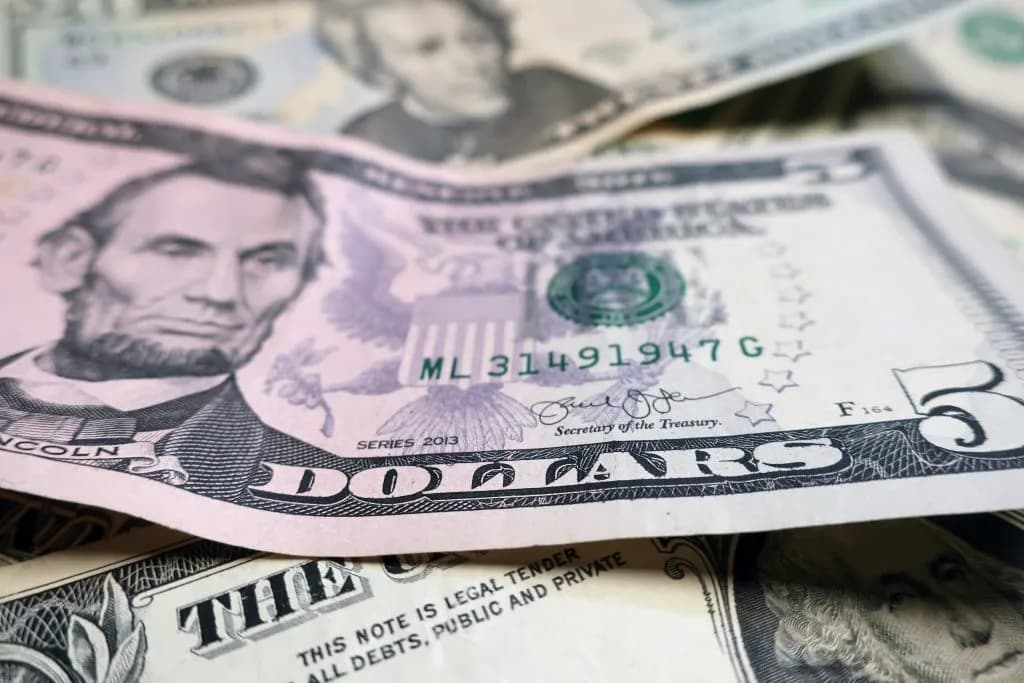
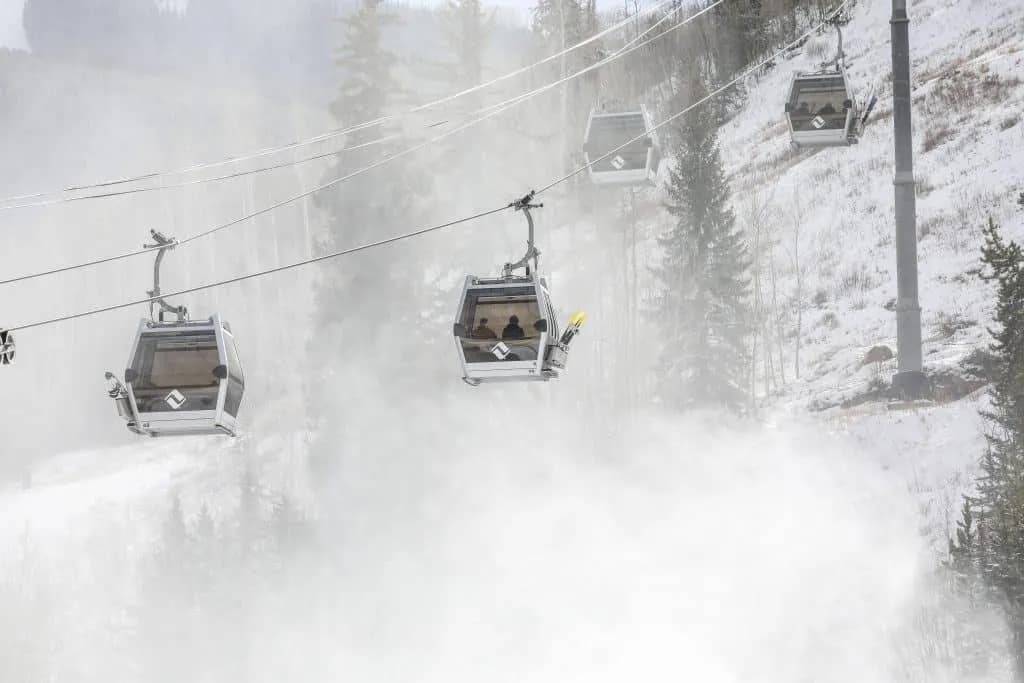
Aspen —Snowflakes fall gently on the slopes of Vail Mountain, a serene scene that belies the economic storm brewing in the valley below. Folks around here are feeling the pinch, from higher grocery bills to steeper prices for everyday goods. The culprit: a weaker U.S. dollar.
The dollar has fallen about 10% against other major currencies since President Donald Trump's return to the White House. That's a significant drop — and it's quietly driving up costs for everything from food to fuel. Economist Thomas Savidge calls it a "hidden tax." What your dollar can buy is shrinking.
Make no mistake, a strong dollar makes imports cheaper and helps keep inflation in check. A weak one, on the other hand, increases prices on foreign goods. The U.S. Dollar Index, which measures the greenback against other major currencies, logged its steepest six-month drop in more than 50 years in the first half of 2025. The decline hasn't deepened, but the dollar index is still about 10% lower than the start of Trump's term.
This will cost taxpayers and consumers in the Western Slope. For instance, a weaker dollar means higher prices for imported goods like electronics and clothing. That's what locals will pay more for at stores in Grand Junction and Glenwood Springs. The short version: a weak dollar is a regressive tax that hurts low- and middle-income families the most.
Big multinationals like Philip Morris and Coca-Cola are benefiting from the weaker dollar. Their corporate earnings calls have been filled with talk of "favorable currency impact" — a euphemism for how a weaker dollar has added to their bottom lines. Elie Maalouf, the CEO of InterContinental Hotels, said as much on a February call, noting that a weaker dollar is "not unhelpful" for his company's profits.
But smaller companies, especially those that rely on importing goods, are getting hurt. Travis Madeira, a fourth-generation lobsterman, is paying more to import bait and buy Canadian lobsters. His business, LobsterBoys, makes about 80% of its sales to Americans, which means he's not benefiting from the weaker dollar like some of his competitors who export more.
The impact is worth watching, particularly for businesses that rely on tourism and imports. Read that again: a weaker dollar can spur sales for products that become cheaper abroad, but it's a different story for domestic businesses that import goods.
As the dollar continues to decline, folks around here will feel the effects. Higher prices, lower purchasing power, it's a one-two punch that will leave many reeling. The question is, what's the plan to mitigate these effects? So far, officials have been quiet on the issue.
In Delta County, where agriculture is a significant part of the economy, a weaker dollar could lead to higher costs for imported equipment and supplies. That's what local farmers will have to contend with. In Montrose, where manufacturing is a key sector, a weaker dollar could lead to higher prices for raw materials.
A weaker dollar has far-reaching consequences for local communities, affecting everything from daily expenses to business operations. The dollar's decline is driven by a multitude of factors, including trade policies and economic trends, and its effects will be felt by residents and business owners alike.
For now, the effects of a weaker dollar are being felt in subtle but significant ways. It's not just about the prices we pay; it's about the purchasing power we lose. Worth watching: how this plays out in the coming months, particularly for small businesses and low-income families.
In the valley, where the economy is closely tied to tourism and agriculture, a weaker dollar is a challenge that requires careful consideration. The short version: we need to be prepared for the consequences of a declining dollar. That's what's at stake here.
Keep up with Aspen
The day's Western Slope news, one email each morning. Free.

The digital counter on the side of the bus in Carbondale ticks over, but the seats inside are half-empty

Eagle County Launches Aging Well Roadmap To Keep Seniors Housed