Western Colorado Counties Urge Backing Off Initiative 175
Routt County and a coalition of western Colorado counties urge voters to reject Initiative 175, warning that the $700 million annual road mandate could drain the general fund needed for health care and K-12 education.
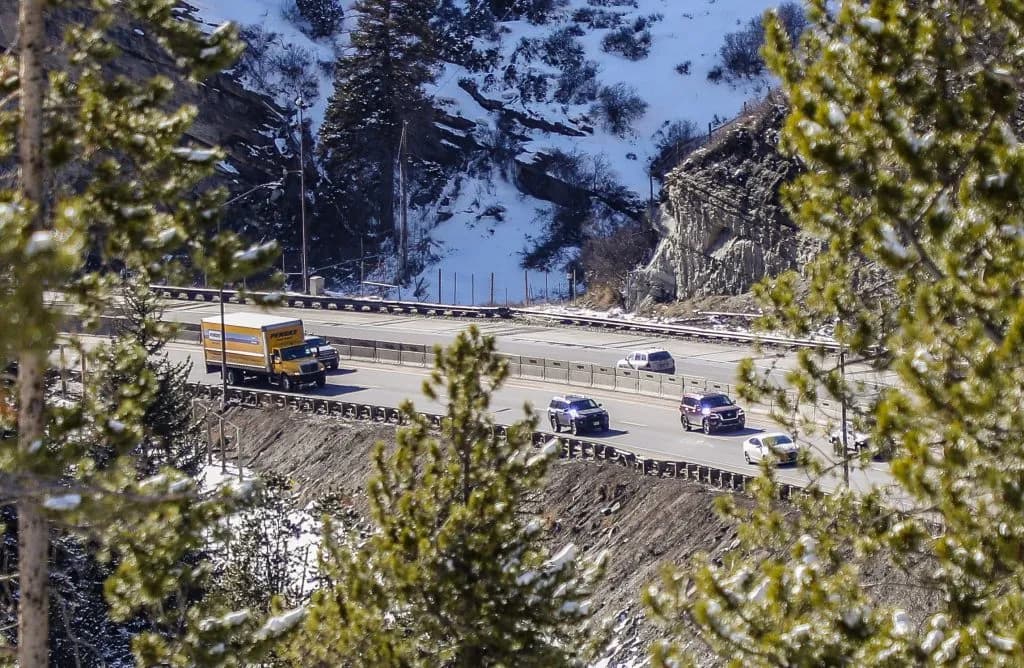
Glenwood Springs —“Colorado would be better served by a plan that strengthens Colorado’s transportation system without undermining critical services that support children, families and seniors across the state.”
That’s the message in a letter signed by Routt County, the Craig Chamber of Commerce, and a coalition of western Colorado counties. They’re urging proponents of Initiative 175 to back off. It’s a direct challenge to the Colorado Contractors Association, which is pushing that ballot measure with one clear goal: force the Legislature to fully fund roads and bridges using the money it already collects.
Here’s the thing though. The fight isn’t just about potholes on U.S. 6 or gravel dust on State Highway 131. It’s about what you lose when you take.
Lawmakers are warning that this initiative could come at the expense of health care and education. Initiative 175, still gathering signatures for the November ballot, would require the state to appropriate roughly $700 million annually toward road projects. According to an analysis by the nonpartisan Legislative Council Staff, nearly $540 million of that would come from the state’s general fund.
And that matters because the general fund is the lifeblood of Medicaid and K-12 education.
For years, lawmakers have diverted dedicated revenue streams for infrastructure to close budget shortfalls. The Contractors Association says that’s unfair. They argue rural and western Colorado communities depend on safe, reliable roads for economic vitality. Club 20, a coalition of nearly two dozen Western Slope counties, agrees. In a statement, they called Initiative 175 “a responsible, voter-led effort.”
But the opposition is loud, too.
Routt County, the Craig Chamber of Commerce, and Counties and Commissioners Acting Together signed an April 14 letter alongside roughly three dozen other groups. They fear that locking in $700 million for roads will force cuts to the very services that keep the community functioning. It’s a classic zero-sum game. You can’t have it all, and the clock is ticking.
To undercut this proposal before it even hits the ballot, a group of Democrats introduced House Bill 1430. It’s a strategic move designed to neutralize the initiative if it passes. The bill would slash taxes and fees used to generate road funding, including excise taxes on gas and vehicle registration fees.
Why slash taxes to save roads? It sounds counterintuitive until you look at TABOR — the Taxpayer’s Bill of Rights. The revenue cap limits how much money the state can keep. By reducing the taxes that feed the road fund, Democrats argue they free up more spending room in the general fund. That extra room protects Medicaid and education from being squeezed when the $700 million road mandate kicks in.
The measure would go into effect only if the ballot initiative is passed. It’s a legislative hedge, a bet that the voters will choose roads over schools, and the politicians are ready to adjust the levers accordingly.
Picture this: a family in Delta County waiting for a bus on a crumbling stretch of road. That same family is watching their local hospital wait times climb because the general fund got tapped to pave the way. Or maybe it’s the other way around. Maybe the road gets fixed, and the school budget gets trimmed.
The gold dome of the Colorado Capitol building sits in Denver, watching the signature gathering. Lawmakers are in the final days of the 2026 legislative session, which ends on May 13. They’re scrambling to pass House Bill 1430. They’re hoping it sticks. They’re hoping it works.
But out here on the Slope, the debate isn’t theoretical. It’s about the condition of the roads you drive every day and the services your kids get in the classroom. It’s about whether you trust the contractors to fix the infrastructure or the educators to fix the future.
The letter from the western counties is clear. They want a plan that does both. But the math says you might have to pick one. And when November comes, that’s exactly what you’ll be asked to do.
Keep up with Glenwood Springs
The day's Western Slope news, one email each morning. Free.
Twin Lakes Releases 2,500 Acre-Feet to Save Upper Arkansas River
Glenwood Springs Resident Calls for Active Citizenship Amid AI Data Center Water Threats