Western Slope attorney explains how mediation and meditation complement each other
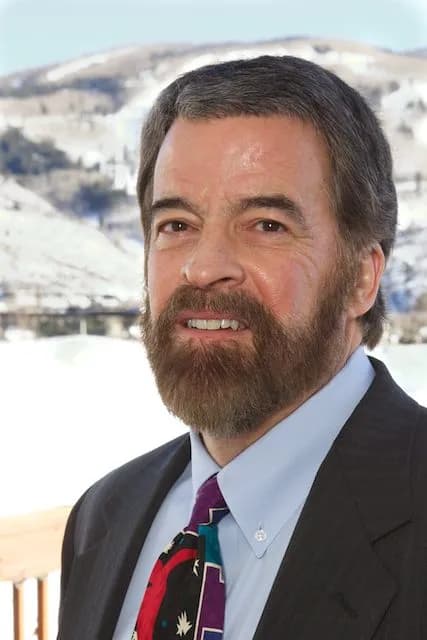
A Western Slope attorney explores the deep connection between the active work of mediation and the personal practice of meditation, arguing that inner stillness is essential for resolving external conflicts.

Aspen —Have you ever caught yourself wondering if the person you’re paying to resolve your neighbor’s dispute is actually just sitting on a cushion, breathing deeply, and waiting for enlightenment to strike? It’s a fair question, especially here on the Western Slope, where the line between professional conflict resolution and spiritual wellness often blurs in casual conversation. The confusion between mediation and meditation is not just a linguistic slip-up; it’s a reflection of how deeply we crave peace in a world that feels increasingly fractured.
I spend my days navigating the messy, noisy reality of human disagreement. When the weight of other people’s problems becomes too heavy to carry, when the usual outlets fail and the destructive distractions lose their pull, there is little left to do but sit and breathe. That is the meditation part of my life — the quiet, personal endeavor that connects me to my own thoughts, offering a restorative pause before I step back into the arena. But when I tell people I am an attorney who leads mediation classes, the reaction is rarely one of professional respect. More often, it’s a quizzical tilt of the head, a polite smile that masks genuine perplexity. They wonder how I get paid to simply be.
The root of the confusion is almost poetic. Mediation comes from the idea of taking appropriate measures, of actively engaging with the world to fix what is broken. Meditation originates from the concept of the middle, of finding balance within oneself. One is a collective experience, usually arising out of acute conflict, demanding that we connect with our community. The other is a solitary practice, intended to forestall conflict before it even begins, connecting us to our inner selves. Yet, both are essential tools for combating the psychic onslaught of modern life. Both provide strength, nourishment, and guidance when the path becomes rocky.
If you look closely, you’ll see that these two practices are not just similar; they are complementary. A good mediator needs the calm and self-possession of a seasoned meditation practitioner. You cannot effectively navigate the turbulent waters of a heated dispute if you are not anchored in your own center. Conversely, the insights gained from sitting in silence often inform how we approach the messy, imperfect work of bringing people together. It is a cycle. The quiet informs the loud. The stillness informs the action.
But here is the thing that often gets lost in the shuffle: mediation is not just about settling scores. It is about repair. It is about recognizing that behind every conflict is a person who is tired, frustrated, and often, just trying to be heard. When I teach mediation, I am not just teaching legal theory or procedural rules. I am teaching people how to listen, how to breathe, and how to find the common ground that exists even in the most contentious of situations. It is a skill that requires both the discipline of meditation and the courage of engagement.
So, the next time you hear someone confuse the two, don’t just correct them. Ask them what they’re hoping to find. Are they looking for a moment of peace? Or are they looking for a way to make sense of the chaos around them? Because in the end, whether we are sitting in silence or sitting across from an adversary, we are all just trying to find our way back to each other. The air in the conference room is thick with unspoken grievances, the hum of the HVAC system a steady, indifferent backdrop to the human drama unfolding at the table.
Keep up with Aspen
The day's Western Slope news, one email each morning. Free.