Western Slope Faces $12.9 Million Cut to Health Program
A $12.9 million reduction in the Cover All Coloradans program will impact healthcare access for low-income immigrant children and pregnant women in the Western Slope.
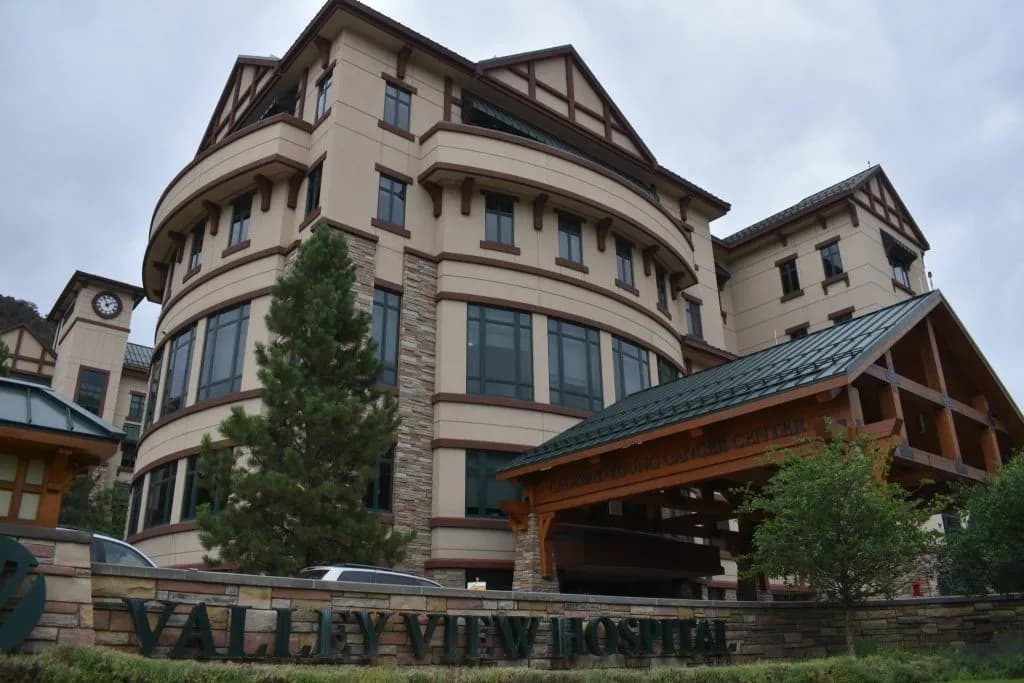
Aspen —On a typical Tuesday morning in the Western Slope, the sounds of everyday life fill the air - children heading to school, farmers tending to their land, and local business owners opening their shops. But amidst the routine, a significant decision was made in the state capitol that will impact the lives of many in our community. A $12.9 million reduction in the Cover All Coloradans program, which provides health coverage to low-income immigrant children and pregnant women, has been approved by lawmakers.
For context, this program has been costing the state more than six times its original estimate since its inception in 2025. The new proposal, which awaits Gov. Jared Polis' signature, will cap enrollment for children 18 or younger at 25,000 per year. As of February, there were around 28,000 people enrolled, with about 20,000 being children.
Let's do the math: the proposed cap would leave approximately 3,000 children without access to the program, assuming the current enrollment numbers hold steady. On paper, this may seem like a necessary measure to control costs, but in practice, it means that many families will have to seek alternative, potentially more expensive, health care options.
Rep. Kyle Brown, D-Louisville, acknowledged the difficulties of the decision, stating that the program was "growing unsustainably." However, he also noted that the budget committee took measures to "understand what's going on with the program and make sure we are controlling costs." One such measure was raising the dental cap from $750 to $1,100, a move intended to provide better benefits for those enrolled.
This change was made after House Democrats, including Rep. Lorena Garcia, D-Adams County, pushed to preserve the program during budget debates. Garcia's amendment, which would have eliminated the enrollment and dental cap, was initially successful but ultimately reversed in the Senate. The final decision to keep the enrollment cap but raise the dental benefits limit was seen as a compromise.
The impact of this decision will be felt across the Western Slope, particularly in areas with high populations of immigrant families. In Delta County, for example, the $12.9 million reduction is equivalent to the county's entire annual budget for road maintenance. It's a significant amount that could have been used to support local health care initiatives or other community programs.
As the proposal heads to Gov. Polis' desk, the potential consequences for the people of the Western Slope must be considered. The reduced enrollment cap and changes to benefits may lead to increased costs for local health care providers and a higher burden on already-strained community resources. For folks around here, this means that access to affordable health care may become even more limited, exacerbating existing health disparities.
In the end, this decision will cost taxpayers, but more importantly, it will impact the well-being of many families. The budget committee's efforts to control costs are difficult but necessary for the short-term, and the long-term effects on local families remain to be seen. As Rep. Brown said, the measures taken are "difficult but necessary for the short-term," but the long-term effects for people in the valley will be significant.
Keep up with Aspen
The day's Western Slope news, one email each morning. Free.



S&P 500 Slips Modestly as Weak Retail Sales and Oil Prices Drive Market Correction

Aspen Essay Connects Generations Through Highway 82 Landmarks