Lawmakers Limit Taxpayer Funding for Wolf Reintroduction
Colorado lawmakers pass amendment to limit use of taxpayer dollars for wolf reintroduction, prioritizing rancher livelihoods over conservation efforts
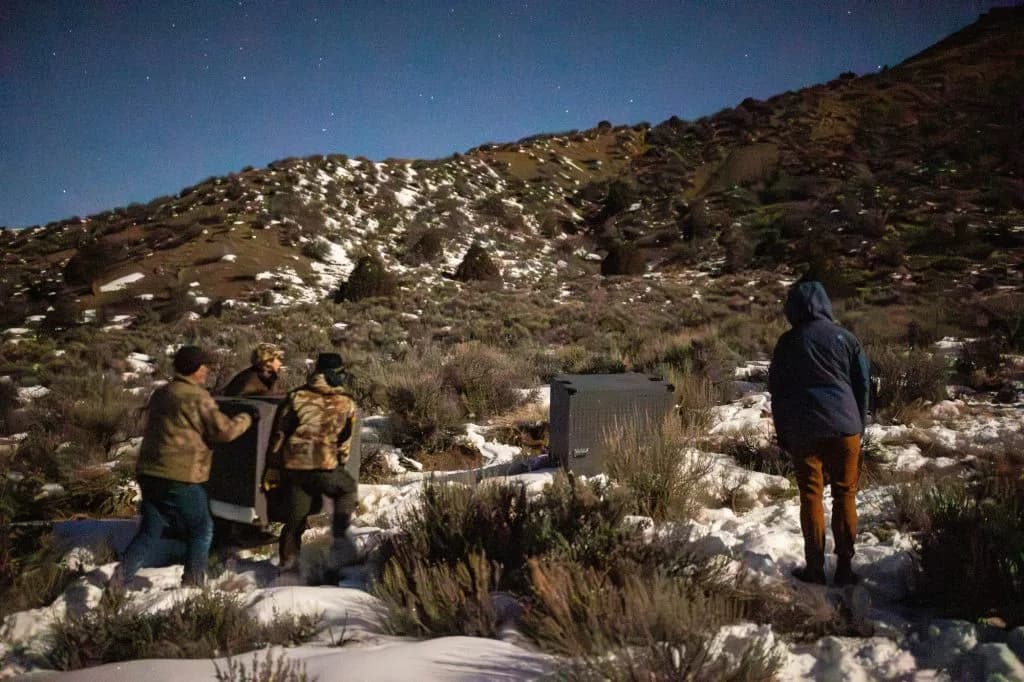
Aspen —Rep. Meghan Lukens, D-Steamboat Springs, made it clear: she doesn't want to use taxpayer dollars to bring more wolves to the Western Slope. "What I would like to say to my ranchers is that we are not using their taxpayer dollars to introduce more wolves into their backyard," she said. This statement came as part of a budget footnote introduced by Lukens and Rep. Ty Winter, R-Trinidad, which prohibits Colorado Parks and Wildlife from using general fund dollars to bring additional wolves to the state in the upcoming fiscal year.
The amendment passed the House on Friday, April 10, after a long budget conversation. Lawmakers are looking to cut $1.5 billion from the budget — and items like Medicaid and immigrant health care programming are on the chopping block. Rep. Winter framed the amendment as a chance to prioritize people's livelihoods. "This isn't just about wolves, and this just isn't about cattle, this is about people's livelihoods," he said. "How would you feel if somebody was preying on your paycheck? 'Cause that is what's happening here."
Colorado Parks and Wildlife gets $2.1 million annually from the state general fund for the wolf reintroduction program — a program mandated by voters in 2020. The amendment doesn't change this allocation, but it does prohibit the agency from using these funds to bring in more wolves. Rep. Kyle Brown, D-Louisville, spoke out against the amendment, saying it goes against the voters' intent. "The (joint budget committee) has talked extensively about wolves, and while we may not always agree on these issues, we have discussed them, and this money remains in the budget for reintroduction, in part because this is a reflection of the voters' intent," he said.
House Speaker Julie McCluskie, D-Dillon, broke with her usual rule of supporting the joint budget committee's decisions to back the amendment. "It is a moment for us to recognize that while we should honor the will of the voters, I am respectful of that; our reintroduction of wolves has not gone successfully nor without significant cost," she said. The cost is a key point - one that lawmakers like Lukens and Winter are using to justify their amendment. They argue that if the state is going to bring in more wolves, the money should come from gifts, grants, and donations, not taxpayer dollars.
Make no mistake, this amendment is a significant shift in how the state approaches wolf management. It's worth watching how this plays out, especially for folks around here who are directly impacted by the wolf population. The short version is that lawmakers are trying to limit the use of taxpayer dollars for wolf reintroduction, and it's a move that's sparked some strong opinions. Rep. Winter's comment about paychecks is particularly noteworthy, it suggests that lawmakers are framing this issue as one of economic survival for ranchers and farmers.
The $2.1 million allocated to the wolf program is a significant amount; it's what Delta County spends on road maintenance in a year. That's a useful comparison, because it puts the funding in perspective. This isn't just an abstract budget line - it's a real allocation of resources that has a direct impact on people's lives. And for lawmakers like Lukens and Winter, it's an issue of prioritizing people's livelihoods over the presence of wolves in the state.
Read that again: lawmakers are choosing to prioritize people's livelihoods over wolf conservation efforts. That's a significant decision, and one that will have real-world consequences. One issue remains unresolved: what will happen next to the wolf population, and the people who live and work alongside them? The outcome is uncertain, and the path forward for wolf management in the state is still unclear.
In the end, it's not just about the wolves, it's about the people who are affected by their presence. And for lawmakers, it's about making tough decisions about how to allocate resources. As Rep. McCluskie said, "there is certainly a better path forward for us on the wolf management plan." The question is, what does that path look like? And how will it impact the people and the wolves of the Western Slope?
Keep up with Aspen
The day's Western Slope news, one email each morning. Free.