Western Slope Taxpayers Foot $10,000 Bill for Representative's Protest
A recent protest in the Colorado House has left taxpayers with a $10,000 bill, raising questions about the effectiveness and cost of the tactic.
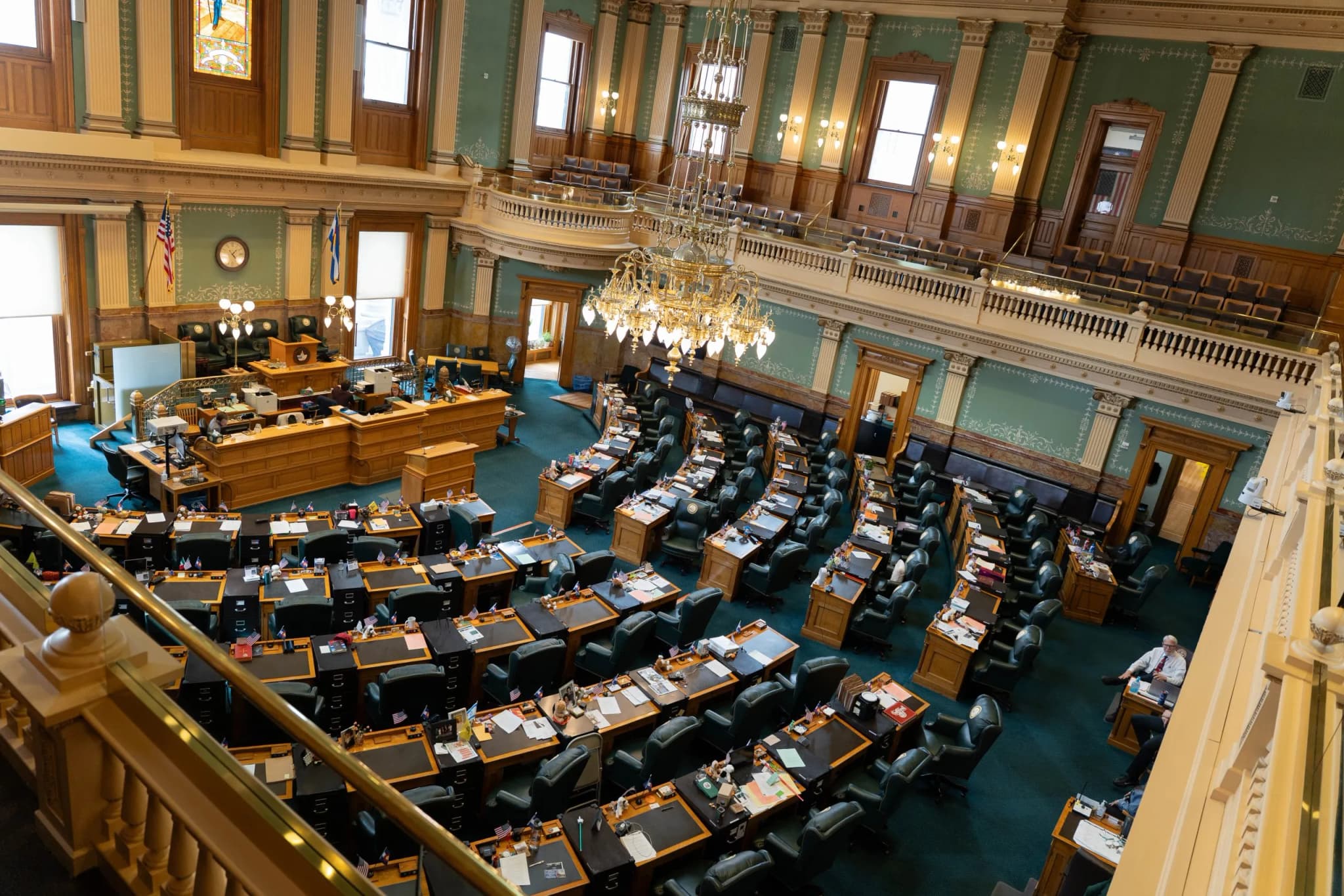
Colorado —$10,000 — that's what Western Slope taxpayers will be footing for State Representative Brandi Bradley's protest. She demanded the 661-page budget bill be read aloud in the House, freezing work for 15 hours.
The bill was read by a computer program over two days. This tactic — reading bills at length, is not new. Republicans have used it to delay work and extract concessions. But Bradley's demand stands out; she acted alone, and the bill's length is unprecedented.
Bradley's protest was twofold. She was unhappy with the House's handling of an ethics complaint she filed against fellow GOP Representative Ron Weinberg. A bipartisan ethics committee investigated and recommended a letter of condemnation and workplace harassment training for Weinberg. Bradley was also protesting the state's $46.8 billion budget.
The Colorado Constitution allows any state lawmaker to request a bill be read aloud. This provision was intended to prevent hasty passage of legislation. But it's been used by Republicans as a form of protest.
Each day the Colorado House is in session costs taxpayers at least $14,212. This includes per diem and mileage reimbursement for lawmakers, as well as staff salaries and benefits. The $10,000 cost of Bradley's protest is a significant portion of that daily cost.
Make no mistake - this will cost taxpayers $10,000. That's what Delta County spends on road maintenance in a few weeks. The community will feel the impact of this expense.
The tactic may have delayed work, but it didn't change the budget. The bill was eventually read in full, and work resumed. The question is. what did Bradley achieve with her protest?
The short version, Bradley's protest cost taxpayers $10,000. It delayed work but didn't change the budget. Read that again; $10,000.
In the House, Democratic leadership had to adapt to Bradley's demand. They used a computer program to read the bill, limiting the impact on Capitol staff. The program, named Eric, read the bill over two days. This decision likely reduced the cost of the delay, but it's still a significant expense.
Locals will be watching to see if this tactic is used again. If it is, the cost to taxpayers will add up quickly. Folks around here are not eager to foot the bill for political protests. The community expects efficient use of taxpayer dollars - not costly delays.
The $46.8 billion budget is a significant document, spanning 38 separate documents and full of spreadsheets and numbers. It's not surprising that Bradley had issues with it. But her method of protest has raised eyebrows.
This will be worth watching. if other representatives adopt this tactic, the cost to taxpayers will be substantial. Neighbors will be paying attention to how their tax dollars are being used.
The fact that Bradley acted alone sets her protest apart. Most instances of this tactic have been used by Republicans as a group, to extract concessions. This solo effort may have been a statement, but it came with a significant price tag.
People in the valley will be looking for answers, what did this protest achieve? Was it worth the cost? The community expects transparency and accountability from their representatives.
The Colorado House has a lot of work to do; and delays like this don't help. The state's budget is complex, and changes can have significant impacts on local communities.
In the end, it's the taxpayers who foot the bill. $10,000 is a lot of money - and it's not going to be forgotten. The community will be watching to see if this kind of protest happens again.
Keep up with Colorado
The day's Western Slope news, one email each morning. Free.



Federal Report Sets 200,000 Acre-Foot Water Conservation Target for Upper Basin
Colorado Parks and Wildlife Deploys Precision Drones for Weed Control