Winter Park Skier Visits Drop 29% Amid Colorado Drought
Winter Park Resort reports a 29% drop in skier visits as Colorado's historic drought and early melt-off reduce snowpack, impacting the local mountain economy.
Aspen —The air inside The Vintage Hotel at the base of Winter Park Resort still held the chill of the mountain morning, a stark contrast to the dry, dusty heat baking the asphalt of the access road. Outside, the skeletal remains of last winter’s snowpack clung to the higher elevations, a patchy white blanket that looked more like a rumor than a resource. It was a quiet scene, but the silence was heavy with the weight of missing water.
This is the new normal for the Western Slope’s mountain resort communities, where the economy has long been tethered to the health of winter’s snowpack. Now, that tether is fraying.
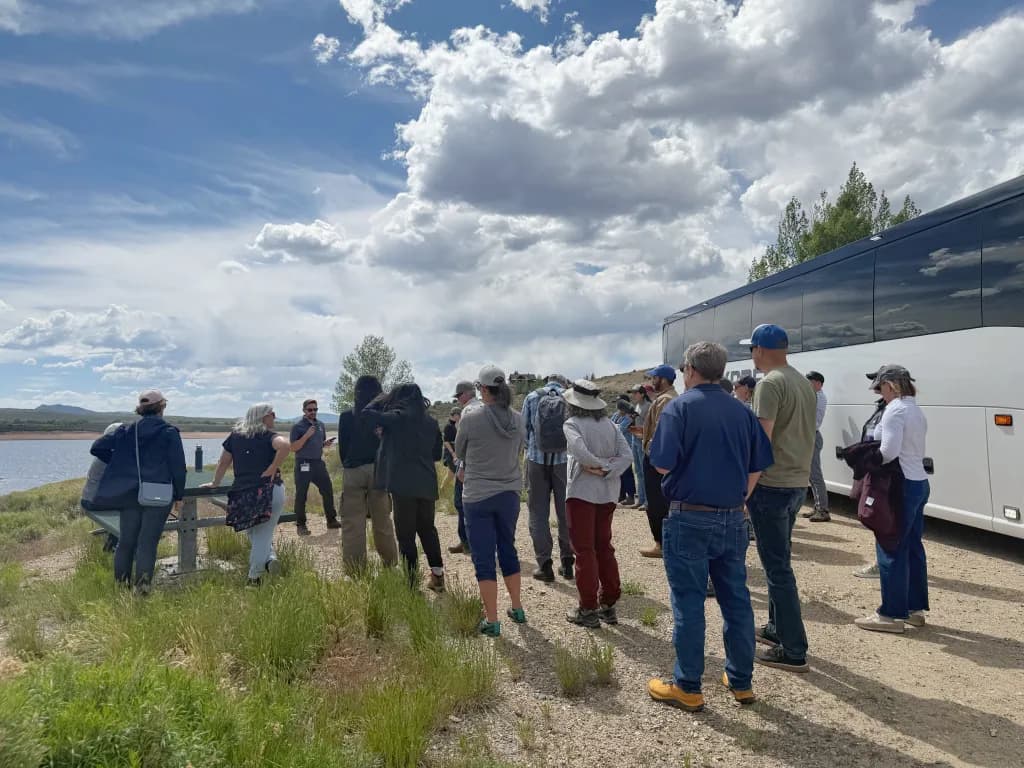
Colorado officially declared a statewide drought emergency on June 4, following a historic winter that delivered record heat and a melt-off so early it left the state’s reservoirs gasping. With 100% of the state experiencing some level of drought, the impact is no longer just a statistic on a weather map; it is a human crisis rippling through rural communities. The Colorado Water Conservation Board recently drove a busload of state and local elected officials, water providers, and experts across Grand County on Tuesday, June 2, to witness firsthand how this deficit is seeping into the bedrock of local life.
The tour, which moved from Winter Park Resort to Williams Fork Reservoir, stopping at the Fraser and Colorado rivers and within Rocky Mountain National Park, was designed to show the ripple effects. But the data tells a sharper story. Tourism, the lifeblood of these towns, is taking a significant hit. Nick Kutrumbos, mayor of Winter Park, noted that while their mountain communities are resilient, their economy remains highly dependent on healthy winters and forests.
The numbers reflect that dependency. Doug Laraby, the resort’s planning director, reported that skier visits at Winter Park were down 29%. This wasn’t a random fluctuation; it was a direct consequence of the dry conditions, primarily attributed to a drop in Front Range skiers who typically drive up for a day trip chasing powder. They showed up, Laraby said, but “they didn’t quite show up like they used to.”
Yet, it wasn’t a total collapse. Visitors who had planned for holidays, Christmas, and spring break still arrived, suggesting that while the spontaneous day-tripper has fled, the committed traveler remains. This distinction matters for local businesses that rely on both impulse and planning.
The strain extends beyond the ski slopes. Across the state, Colorado Ski Country USA’s annual report estimated that total visits dropped by 3.3 million from the previous season, hitting the lowest numbers since the winter of 1991-92. That is a massive contraction in revenue for an industry that supports thousands of jobs.
But the drought’s bite is deeper than lost tourism dollars. Kate Greenberg, Colorado’s commissioner of agriculture, observed the stress on the ground during a stop at the Kemp Breeze State Wildlife Area near Parshall. “Drought is stressful,” Greenberg said. “I think all of us here get it, right? We’re all working on it on the front line in some way or another. Farmers and ranchers are living it in a very personal way. It’s stressful on crops. The conditions weigh heavily on animals. And it takes a toll on people and relationships.”
The human toll is manifesting in rising needs for mental health services and food relief, as the physical scarcity of water translates into emotional and economic scarcity for families. The dry wind blowing through the valley doesn’t just dry out the soil; it dries out the community’s reserves, leaving locals to wonder how long they can sustain the rhythm of life that depends on the snow.
Keep up with Aspen
The day's Western Slope news, one email each morning. Free.