Aims Community College Trains Air Traffic Controllers
Aims Community College's enhanced air traffic control program prepares students for in-demand careers with competitive pay and benefits, addressing the national shortage of air traffic controllers.
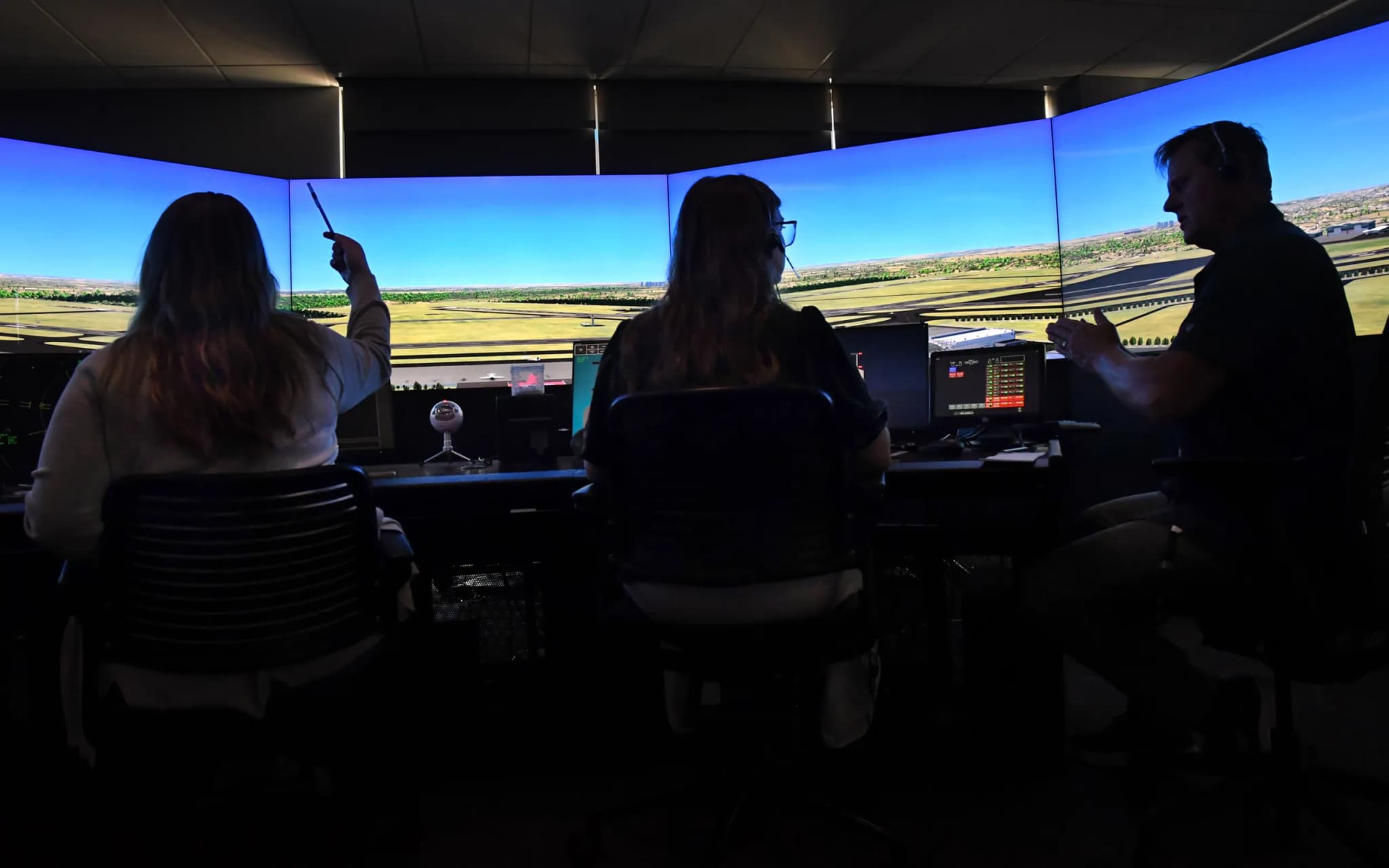
Colorado —Aiden Rowe's eyes light up as he talks about air traffic control - the way it combines multitasking, problem-solving, and public service. He's standing in the Tower Lab at Aims Community College's Windsor campus, surrounded by high-tech simulators that mimic the real-world experience of guiding planes through the skies. You can hear the hum of machinery, the chatter of students, and the occasional beep of a simulator in the background. As a 20-year-old from Cañon City, Rowe is about to become the first student to graduate from Aims' newly enhanced air traffic control program.
If you've been paying attention to the news, you know that the field is facing a shortage - the Federal Aviation Administration estimates it'll need to fill nearly 7,000 positions over the next three years. That's what makes Aims' program so significant - it's one of the first in the country to offer an enhanced curriculum that lets graduates skip the traditional course at the FAA Academy in Oklahoma City and move directly to airport tower or en route facilities for the final phase of training. We're talking about a career path that can take you from a two-year associate degree to a job with a starting annual pay of more than $50,000 as a trainee, and an industry median of more than $144,000.
Patti Phillips, a retired 30-year air traffic controller and faculty lead of the Aims program, says that despite the demand and potential return on investment, many people don't even know this career option exists. "I've had a lot of people call me up and say, 'I didn't even know this program existed,'" she says. That's not surprising - the work of guiding planes through the skies can be a bit of a mystery to those outside the aviation world. But for folks around here, it's an opportunity to take to the skies and build a rewarding career.
The program itself is rigorous - students like Rowe and Michael Ritter spend hours in the Tower Lab and Radar Lab, using simulators to practice guiding planes through different scenarios. It's the kind of thing that requires focus, attention to detail, and a ability to stay calm under pressure. Ask any student in the program, and they'll tell you it's not easy - but it's worth it. The cost of the program - around $13,000 to $17,000 in tuition for in-state students - is a fraction of what you might pay for a traditional four-year degree. And the payoff is significant - a well-paying career that's in high demand.
As we talk to Rowe and Phillips, it's clear that this program is about more than just filling a labor gap - it's about building a community of professionals who are passionate about aviation. If you've got kids in the district, you already know how hard it can be to find a career path that's both rewarding and in-demand. This program offers a unique solution - a chance to build a career that's both challenging and fulfilling.
The FAA's approval of Aims' enhanced curriculum is a big deal - it means that students like Rowe can get the training they need to succeed in this field. And it's not just about the students - it's about the impact this program can have on our local community. We're talking about a career path that can provide a good income, benefits, and a sense of purpose. That's the kind of thing that can make a real difference in people's lives.
As Rowe prepares to graduate and start his career, he's excited about the future. He knows it won't be easy - but he's ready for the challenge. And as we look to the future, it's clear that students like Rowe and Ritter will be heading out into the workforce, using their skills to guide planes and build a career. And for our community, it means having a new generation of professionals who are passionate about aviation and committed to building a better future.
Keep up with Colorado
The day's Western Slope news, one email each morning. Free.




Federal Report Sets 200,000 Acre-Foot Water Conservation Target for Upper Basin
Colorado Parks and Wildlife Deploys Precision Drones for Weed Control