Colorado Contractors Defy Legislature to Push Initiative 175
The Colorado Contractors Association moves forward with Initiative 175 despite a legislative deadline, risking a $264 million hole in the state budget to fund road projects through gas tax relief.
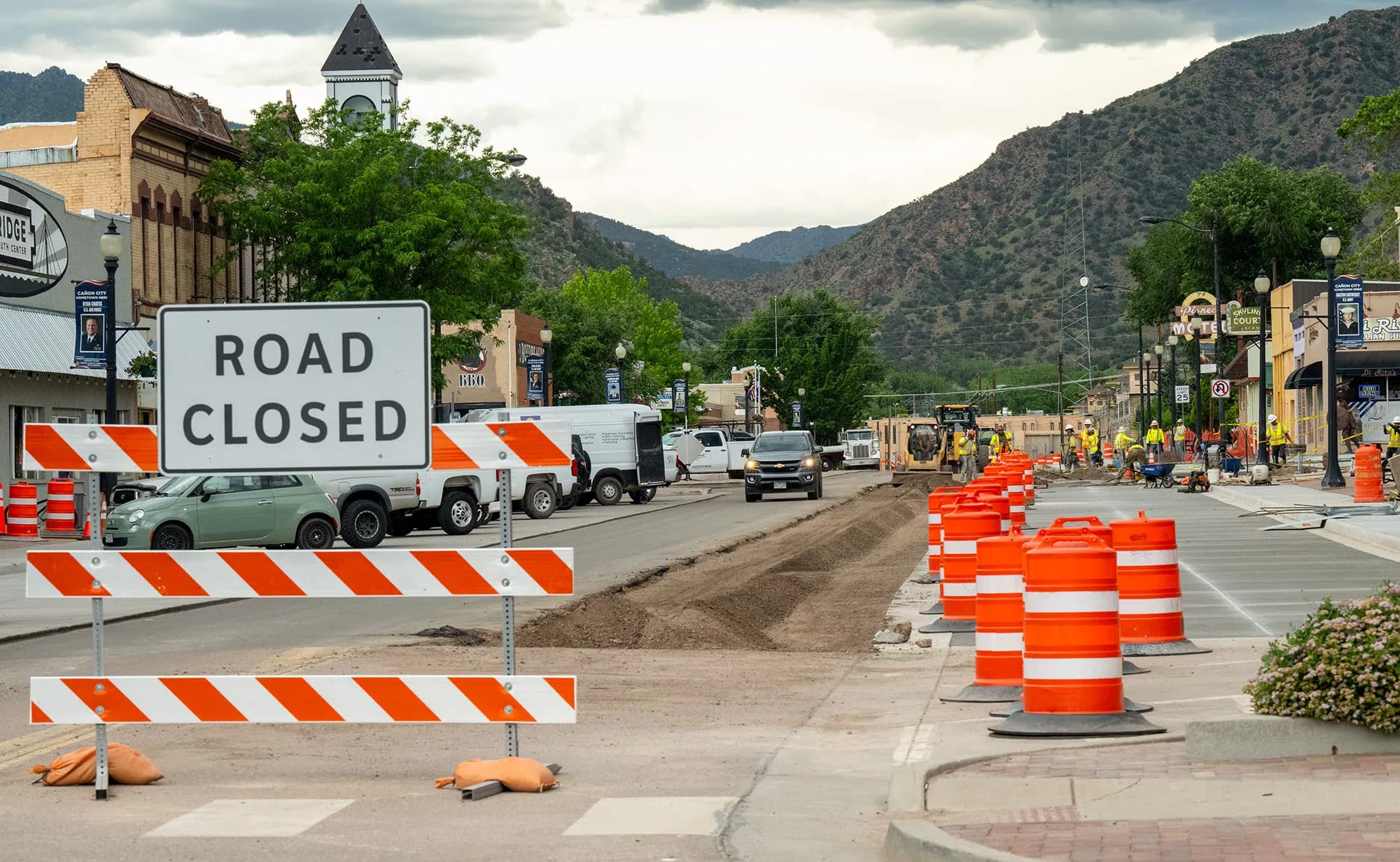
Colorado —The rumble of a backhoe on Main Street in Cañon City isn’t just noise; it’s the sound of a state legislature trying to hold back the tide with its bare hands. You can feel the vibration in your chest if you stand near the construction zone long enough, a rhythmic thumping that mirrors the tension in the Capitol this week. The Colorado Contractors Association has decided to stop waiting for permission and start gathering signatures, moving forward with Initiative 175 despite a June 15 deadline set by lawmakers to make them pause.
It’s a bold defiance. Tony Milo, president and CEO of the association, didn’t mince words in his statement, calling it “unfortunate” that Governor Jared Polis is forcing Coloradans to wait three more years for road fixes. He argues that while we wait, we’ll get a break at the pump, and eventually, safer roads. But for the neighbor driving down US-6, waiting three years for a pothole to disappear while paying full price for gas feels less like a strategy and more like a gamble.
If Initiative 175 qualifies for the November ballot — and all signs point to it doing so — the vote will be unusual, even for Colorado. Voters would be asked to enshrine road funding in the state constitution, but there’s a catch. A new law passed by the legislature, House Bill 1430, creates a unique twist. If voters say yes to the constitutional amendment, they simultaneously say yes to cutting existing road spending by a similar amount. How? By temporarily lowering the state gas tax and other transportation fees.
It’s a fiscal seesaw. The idea is that you get gas tax relief at the pump, while the rest of the state budget remains largely unaffected for at least the next three years. Nonpartisan state fiscal analysts estimate that Initiative 175 would require the state to set aside all taxes raised from motor vehicle sales and most sales taxes on auto parts for transportation projects. Today, those dollars go into the general fund, paying for healthcare, education, and other services. If the measure passes, it blows a $264 million hole in next year’s general fund budget, plus another $539 million the year after that.
Critics, including an opposition coalition called Keep Kids First Colorado, argue that stripping that money from the general fund will exacerbate the state’s budget crisis, leading to deeper cuts in essential services. They issued repeated letters pleading with the contractors to withdraw the measure, hoping the June 15 deadline would force them to the negotiating table. The legislature hoped that by cutting the transportation funding the initiative relied on, they could make the proposal less attractive.
But the contractors didn’t budge. They moved forward.
Now, the question isn’t just about asphalt; it’s about what you’re willing to sacrifice for it. If you vote yes, you might see a dip in the price of diesel at the local station, but you’re also betting that the state can manage a nearly half-billion-dollar shortfall without slashing services you rely on. It’s a complex trade-off, one that plays out not in the abstract, but in the budget meetings that determine whether your local school gets new books or whether the county health clinic stays open.
The road construction on Main Street continues, dust rising in the dry Colorado air, mixing with the smell of hot tar and exhaust. It’s a tangible reminder that while politicians debate funding mechanisms in the capital, the infrastructure here is aging, cracking, and demanding attention. The voters will have the final say in November, but until then, the rumble of the backhoe goes on, a constant, vibrating question hanging over every commute.
Keep up with Colorado
The day's Western Slope news, one email each morning. Free.
BLM Clears 113 Roan Plateau Parcels for December 2026 Oil and Gas Lease Sale
Southern Colorado Releases 2,500 Acre-Feet to Save Drying Arkansas River
UA Professor Jessica Tierney Uses Ice Cores to Explain Deep Time Climate Change
Federal Report Sets 200,000 Acre-Foot Water Conservation Target for Upper Basin
Colorado Parks and Wildlife Deploys Precision Drones for Weed Control