Colorado Lawmakers Slash $130 Million from Affordable Housing Program
Colorado lawmakers slash $130 million from Proposition 123, representing a 40% cut to affordable housing finance, as the state balances a $1.5 billion structural deficit.
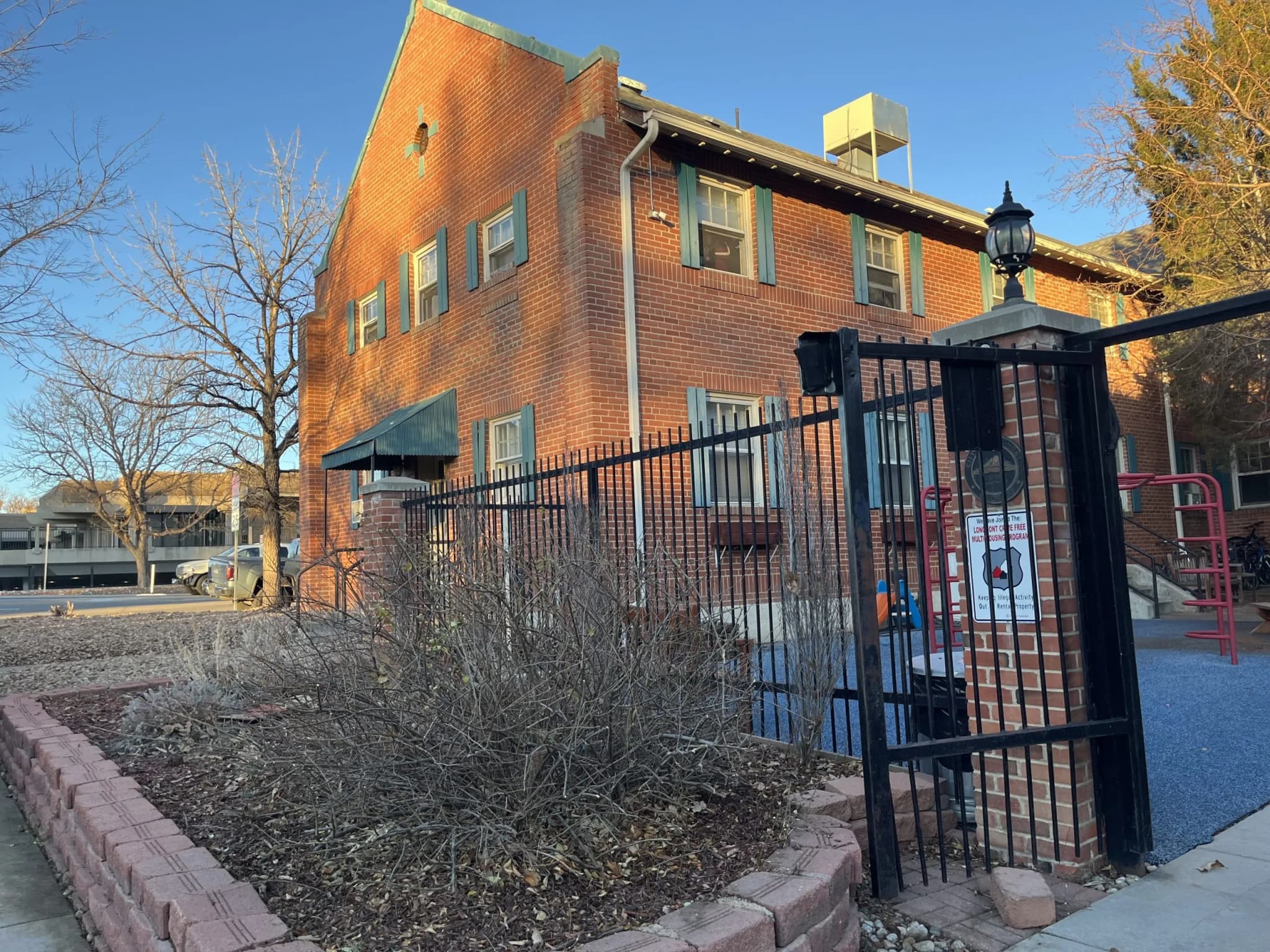
Colorado —“‘It is structural to how affordable housing finance works in Colorado right now,’ said Brad Dodson, the chief financial officer for the Urban Land C.”
The quote hangs in the air of the budget hearings, heavy and unyielding, like dust motes caught in the slanted afternoon light of a Denver committee room. It’s not just a statement of fact; it’s a warning shot fired across the bow of the state’s most vulnerable neighbors. Colorado lawmakers are preparing to gut a program that has become the bedrock of low-income rental housing, slicing $130 million from Proposition 123 in a move that represents roughly a 40% cut to the initiative voters approved in 2022.
If you live in the valley, if you’ve watched the construction cranes spin over downtown or seen the new apartment complexes rise on the edges of town, you know that this isn’t just abstract fiscal policy. This is the difference between a family keeping their lease and a family sleeping in their car. The state budget proposal targets the very programs that develop affordable rental housing for low-income families, stripping away about 75% of the money dedicated to rental apartments, according to housing advocates. It’s a temporary hobble, perhaps, but one that threatens to freeze the pipeline of new homes before they can even break ground.
The Joint Budget Committee didn’t just trim the fat; they slashed $28 million of the $30 million the state was supposed to spend on housing grants during these difficult budget years. They even voted to repeal a law that could have provided additional funding in the future, closing the door on a safety net that was already fraying. Why? Because the state is staring down a $1.5 billion structural deficit, and Medicaid spending had to take a hit too. The bipartisan panel defended the cuts, insisting they had no good options to balance the books next year.
But here’s the thing they’re not saying out loud: the pain will be felt long after the budget is signed.
“It’s just cumulatively getting worse year over year,” said Cathy Alderman, a spokesperson for the Colorado Coalition for the Homeless. She’s right. Even though market rents have dropped in the Denver metro area, homelessness and evictions continue to rise. The gap for extremely low-income households is getting bigger and bigger, a widening chasm that this budget cut will only deepen. Alderman noted that the number of people entering the cycle of homelessness is increasing substantially, a trend that will accelerate if developers can’t secure the financing to build.
Rep. Kyle Brown, a Louisville Democrat on the JBC, pointed to the root of the problem: Proposition 123 included no new revenue. Voters approved the program, but they didn’t authorize new taxes to pay for it. Under the state Taxpayer’s Bill of Rights, the legislature can’t raise taxes without voter approval, so they’re forced to make transfers when the situation gets dire. “I am committed to making sure that we adhere to the voter intent of this particular proposition,” Brown said, though the intent of saving housing is now being sacrificed on the altar of balanced budgets.
Brad Dodson warned that this disruption will delay or prevent developments long after funding is restored. It’s a ripple effect that starts in the legislature and ends in the living rooms of families who can no longer afford to stay. You can feel the tension in the room, the weight of decisions that will echo in the housing market for years.
Outside, the wind picks up, carrying the scent of dry grass and distant rain, a reminder that the weather changes regardless of the budget, but the people inside the homes we build might not have a roof over their heads if we don’t pay attention.
Keep up with Colorado
The day's Western Slope news, one email each morning. Free.


Federal Report Sets 200,000 Acre-Foot Water Conservation Target for Upper Basin

Colorado Parks and Wildlife Deploys Precision Drones for Weed Control