Divide Resident Tom Mowle Releases New Book on Iraq War Green Zone
Retired Air Force officer and Divide resident Tom Mowle explores the bureaucratic friction and hidden truths of the Iraq War in his new book, Hope is Not a Plan.
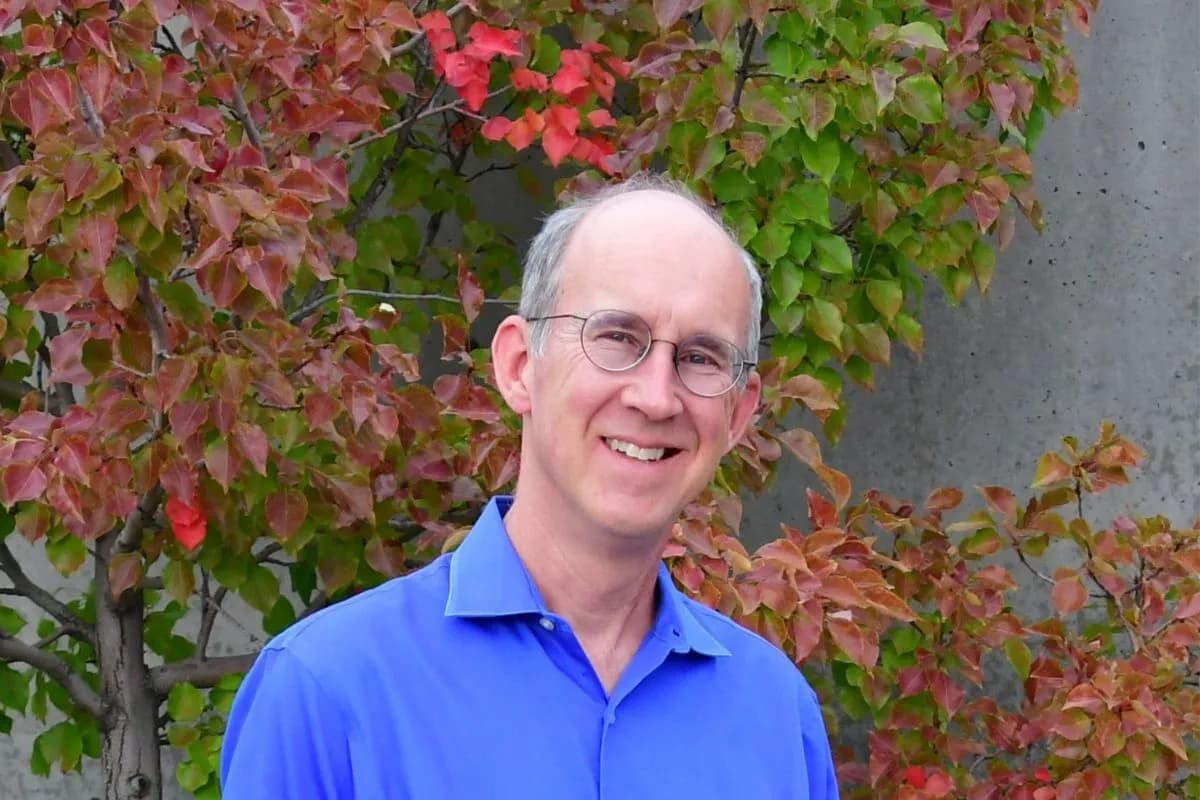
Colorado —Tom Mowle stared at the chaos of the Republican Palace in Baghdad’s Green Zone, trying to make sense of the work and life unfolding around him as a relative outsider helping shape the Commander’s understanding of the situation. It was 2004, and the air in that command center was thick with the kind of bureaucratic friction that only emerges when you’re trying to impose order on a landscape that refuses to stay still. Now, retired Air Force officer and Divide resident, Mowle is confronting that same past in his new book, Hope is Not a Plan: The War in Iraq from Inside the Green Zone, an edited account that pulls back the curtain on a military-academic perspective that was previously hidden from the public eye.
The book isn’t just a history lesson; it’s a reckoning. Mowle, who earned his PhD in Political Science with a focus on political psychology from The Ohio State University in 1996, spent years teaching undergraduate cadets at the Air Force Academy and in the graduate program at Saint Mary’s University in San Antonio. He’s also the author of Allies at Odds? The United States and the European Union and coauthor of The Unipolar World: An Unbalanced Future. But this latest project is different. It’s personal. It’s about the moment he realized that the strategies he helped craft might have been undone by the rise of the Islamic State a decade later.
When ISIS began capturing city after city in Iraq in 2014, it hit Mowle like a flashback. Ten years of work, undone. He started wondering: What was his part in all this? Could he have done better? What could we have done that might have produced a better result? That question drove him to revisit the material he’d collaborated on with his comrades after returning from Iraq, material that had been published in 2007 as Hope Is Not a Plan. That earlier book covered some of the same ground but was written from a military-academic perspective, designed for a niche audience. It had to pull a lot of punches to get approved for release. Mowle was dissatisfied. He wanted a version that could reach a mass audience, one that didn’t shy away from the raw, unvarnished truth of the Green Zone experience.
The excerpt selected for this SunLit feature begins three weeks after Mowle arrived in Baghdad, just after he was reassigned to the unit where he would spend the balance of his time. It’s a reset, a way for readers to jump in without needing to know everything that came before. It introduces his relationship with the story’s main human antagonist, Colonel Vortex, and two threads that will stitch the narrative together: Fallujah and the upcoming Iraqi election. You can feel the tension in those pages. The excerpt displays the voice and tone Mowle adopts throughout the book, illustrating many of the pathologies of headquarters that persist even today: lack of knowledge, being distracted from the main mission by side quests, and the rejection of conclusions the boss doesn’t want to hear.
If you look closely, you’ll see that Mowle isn’t just describing a place; he’s describing a mindset. The Green Zone wasn’t just a physical space; it was a state of mind, a bubble of American authority suspended above the rest of Iraq. And Mowle was right in the middle of it, trying to make sense of the chaos. He owned Rampart Professional Solutions, a manuscript coaching and editing service in Divide, Colorado, when he decided to dig into his past. He didn’t just want to write a war story; he wanted to understand the war story. He wanted to know why the punches had to be pulled, why the truth was so hard to tell, and why, ten years later, it still felt like the ground was shifting beneath his feet.
The book is a testament to the power of memory, to the way the past can haunt us long after we’ve left the battlefield. It’s a story about a man who tried to make sense of the world, who tried to shape it, and who, in the end, had to confront the fact that he might not have gotten it right. It’s a story about the cost of war, not just in lives lost, but in the lives of those who fought it, the lives of those who tried to understand it, and the lives of those who are still trying to make sense of it today.
The smell of old paper and ink, the weight of a book in your hands, the quiet of a Divide evening. That’s what it feels like to read Mowle. It’s not just a history book. It’s a mirror. And sometimes, what you see reflected back is harder to bear than the truth itself.
Keep up with Colorado
The day's Western Slope news, one email each morning. Free.

Aspen's ACES Returns Annual Harvest Party to Rock Bottom Ranch
Glenwood Ghostwalk Brings Frontier History to Life in Linwood Cemetery

Georgie White’s Wild Legacy Challenges Outdoor Superwoman Myth
Federal Report Sets 200,000 Acre-Foot Water Conservation Target for Upper Basin
Colorado Parks and Wildlife Deploys Precision Drones for Weed Control