Erie Faces Soaring Water Costs as Northern Project Members Flee
Erie residents face potential bill doubling as the Northern Integrated Supply Project loses members and costs rise to $95,000 per acre-foot, leaving remaining cities to cover exit fees.
Colorado —The air in Erie’s council chambers still smells of dry-erase markers and anxiety, a sharp, chemical tang that cuts through the usual hum of municipal bureaucracy. It’s a scent that lingers long after the votes are tallied, settling on the shoulders of the 43,000 residents who are suddenly, painfully aware that their future water supply is bleeding money.
Here’s the counterintuitive truth about Northern Water’s $2.7 billion Northern Integrated Supply Project (NISP): the project isn’t failing because it’s too ambitious; it’s failing because the people who bet on it are fleeing. The narrative has been that Northern Water is a steady hand guiding the region through a drought crisis, but look closer at the ledger, and you see a different story. The utility is trimming fat — literally cutting an entire dam from the plan to save cash — but the bloodletting is happening elsewhere. Six of the original fifteen cities and water districts have already bailed. The ones left behind aren’t just paying for water; they’re paying for the exit fees of their neighbors.
Take Erie. The fast-growing town, which swelled to a population of 43,000, didn’t just vote to stay in the project this spring; it voted to throw another $2.9 million into the planning and final design pit for 2026. But here’s the rough edge: their share of the future water supply shrank from 6,500 acre-feet to 4,500. Yet, because the big fish jumped ship, Erie’s slice of the pie actually grew to 23% of the total expected water. They are drinking more of the same expensive wine.
And the wine is getting pricier. With interest rates holding high and construction inflation outpacing general inflation, the cost per acre-foot of NISP water has jumped to between $85,000 and $95,000. That’s not a projection; that’s the current reality. But wait for the bonds to kick in, and that figure doubles. You can feel the weight of that debt settling on every homeowner’s utility bill.
Erie Mayor Andrew Moore, who voted against the 2026 payment, put it plainly. He’s worried that two or three months from now, water bills might double, maybe triple. "And then I think about the big participants that have bailed," he said. It’s a valid fear. The assumption was that Erie’s explosive growth would pay for itself, that developers and new hookups would cover the cost of finding new sources like NISP. But if the water is so expensive that longtime residents are footing the bill for growth that isn’t happening, the math stops making sense. Moore asked rhetorically if Erie could survive at 65,000 people instead of 85,000, using existing sources like Chimney Hollow and Colorado-Big Thompson. The answer, for now, is still up in the air, hanging over the valley like a fog.
Chimney Hollow reservoir, the other stumbling block in this saga, adds another layer of complexity. The reservoir is struggling with uranium contamination and a lack of runoff, meaning it might be five or six years before Erie can actually sell that water to customers. That delay complicates the fundraising needed to pay for their shares of the larger NISP project. It’s a double whammy: the water isn’t ready, and the price is rising.
There’s a warmth to the idea of regional cooperation, a shared destiny that binds the Western Slope to the Front Range. But right now, the texture of that cooperation feels frayed. Erie has already sunk about $30 million into the project, a sum that feels less like an investment and more like a sunk cost. The remaining members are demanding more details from Northern Water and their own utility managers about who will end up paying higher rates. The silence from the top is deafening, broken only by the sound of bonds being issued and cities rethinking their futures.
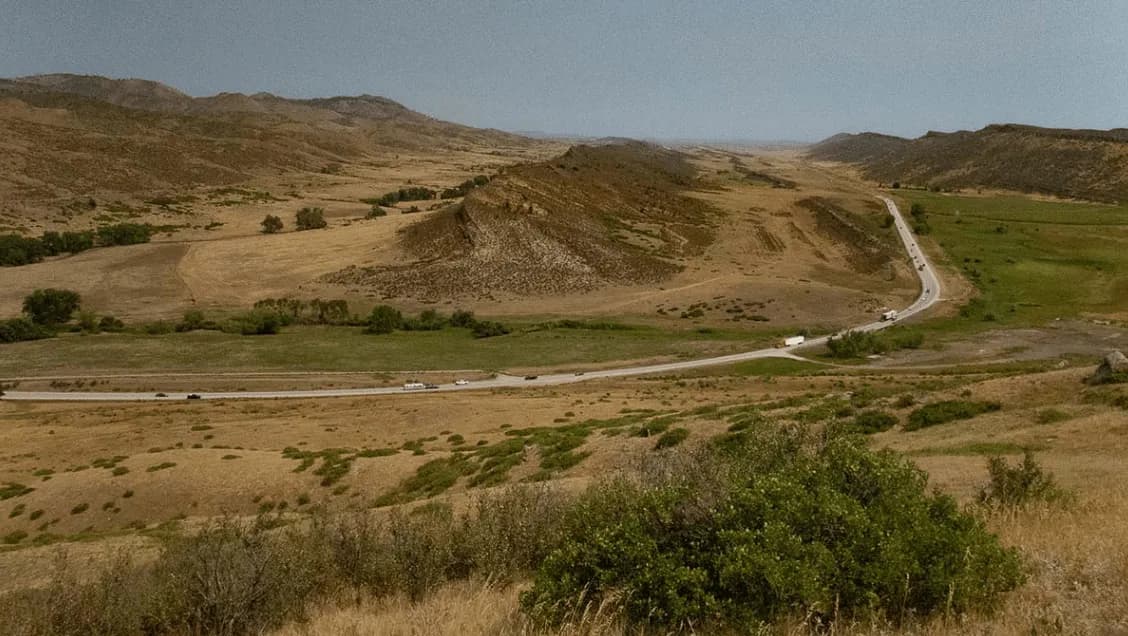
Outside the council chambers, the wind moves through the dry grass of the foothills, carrying the dust of a region that is still waiting for the rain, still waiting for the bill to come due.
Keep up with Colorado
The day's Western Slope news, one email each morning. Free.
Federal Report Sets 200,000 Acre-Foot Water Conservation Target for Upper Basin

Colorado Parks and Wildlife Deploys Precision Drones for Weed Control