Mistakes Shape Colorado Sports History
Exploring how mistakes have influenced the course of sports history in Colorado, from the 1978 Broncos-Raiders game to modern-day controversies.

Colorado —The sun beats down on the worn artificial turf of Mile High Stadium, the smell of hot dogs and popcorn wafting through the air as the crowd erupts in a frenzy of orange and blue. It's January 1, 1978, and the Broncos are battling the Raiders for a spot in the Super Bowl. Rob Lytle takes an inside handoff, attempting to launch himself over the pile, but Raiders safety Jack Tatum has other plans. The hit is brutal, leaving Lytle dazed and confused. The referee, Ed Marion, makes a call that will go down in history - he rules that Lytle's forward progress was stopped before the ball came out, giving the Broncos possession. Not exactly what the replays showed. The Broncos go on to win the AFC championship, 20-17, thanks in part to that controversial call. And that matters because it's a moment that's still talked about today, a reminder that mistakes have shaped the course of sports history in lasting ways.
Picture this: a different outcome, one where the Raiders are awarded the ball, and the course of that game, and perhaps the entire season, is altered. It's a reminder that, even with the best intentions, human beings are prone to mistakes. Umpire C.B. Bucknor's recent string of high-profile errors is a case in point. Six of eight challenged pitches were overturned in a single game, with further analysis revealing that Bucknor missed around 20 ball-strike calls. That's a lot of mistakes. And it's not just Bucknor - the introduction of automated officiating technology is exposing the fallibility of human umpires, raising questions about the role of technology in sports.
Here's the thing though: while technology may be able to reduce errors, it's not a panacea. The 1990 CU Buffaloes game against Missouri is a prime example. The chain crew, officials, and on-field team lost track of the downs, allowing Colorado to run a "bonus" play and score the game-winning touchdown. It was a mistake that gave Colorado a share of the national championship. A dozen years after the Broncos-Raiders game, and the impact of those mistakes is still being felt.
As locals, we know that sports are about more than just wins and losses - they're about the moments that make us laugh, cry, and cheer. And sometimes, those moments are shaped by mistakes. Like the time Bucknor wasn't even looking in the right direction, calling a runner out at first base despite the replay showing the runner's foot squarely on the bag. Or the time Raiders owner Al Davis insisted that instant replay was needed to prevent mistakes like the one that occurred in the 1978 Broncos-Raiders game. It's a complex issue, one that raises questions about the role of technology in sports, and the consequences of flawed officiating.
The CU Buffaloes' 1990 season was marked by controversy, with the team's share of the national championship being awarded in part due to the mistake in the Missouri game. And that's a reminder that, even with the best technology, mistakes can still significantly influence the outcome of games. As we look back on these iconic moments, it's clear that the fallibility of human officials has left a lasting mark on Colorado sports history, one that will continue to be felt for years to come. The sun sets over the Rocky Mountains, casting a golden glow over the landscape, as the sounds of the stadium fade into memory.
Keep up with Colorado
The day's Western Slope news, one email each morning. Free.

Aspen's ACES Returns Annual Harvest Party to Rock Bottom Ranch
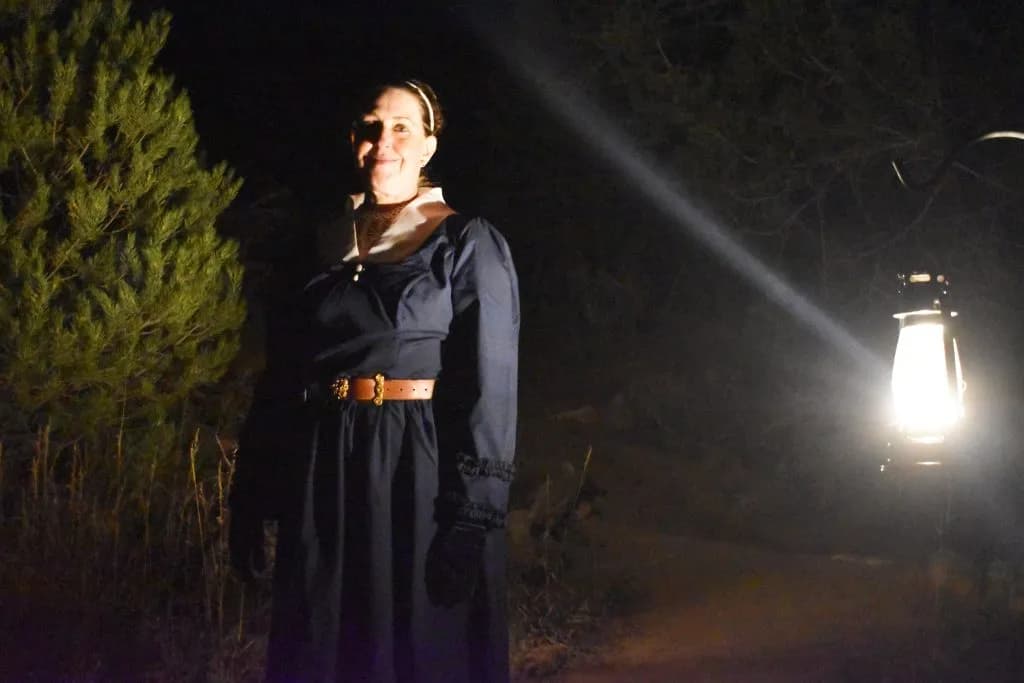
Glenwood Ghostwalk Brings Frontier History to Life in Linwood Cemetery

Georgie White’s Wild Legacy Challenges Outdoor Superwoman Myth

Federal Report Sets 200,000 Acre-Foot Water Conservation Target for Upper Basin
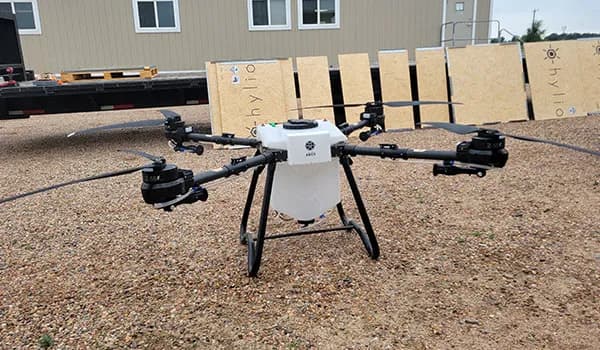
Colorado Parks and Wildlife Deploys Precision Drones for Weed Control