John Deere Settlement Grants Farmers Independent Repair Rights
A landmark FTC settlement ensures John Deere farmers receive the same diagnostic software and repair tools as authorized dealers, granting independent owners greater autonomy for the next decade.
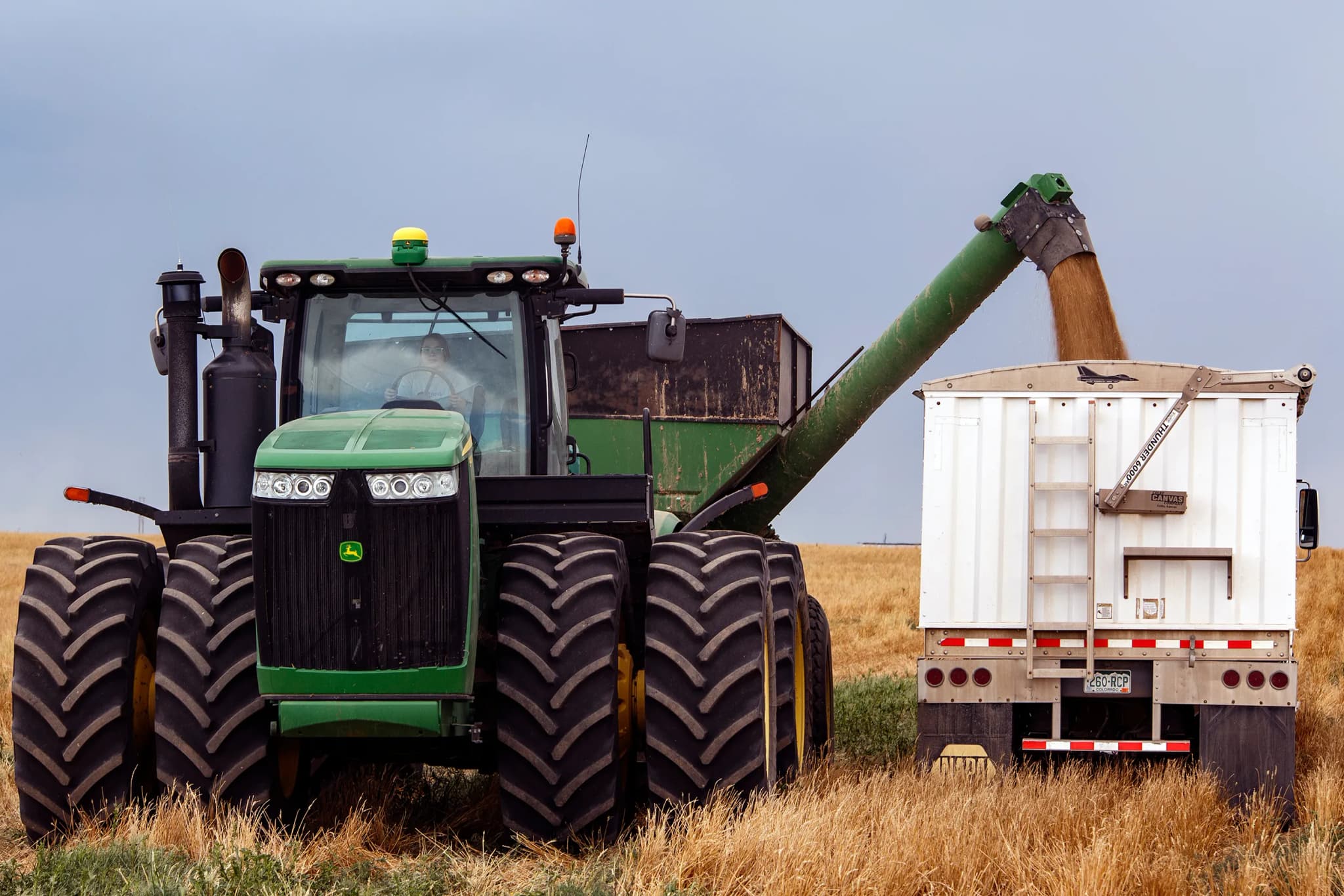
Colorado —Can you actually fix your own tractor when the screen goes black in the middle of harvest, or do you have to wait for the dealer’s technician to arrive with his proprietary laptop? For decades, the answer on the Western Slope has been a reluctant yes to the latter, but a landmark settlement between John Deere and the federal government is finally shifting that balance. The deal, driven heavily by Colorado’s own legislative push and farmer advocates, ensures that for the next ten years, equipment owners will have access to the same diagnostic software and repair tools that authorized dealers currently hold exclusive to.
It is a quiet revolution happening in the cab of a John Deere 9410, like the one Bella Madrid operates in Kit Carson. It is not just about convenience; it is about autonomy. Tyler Garrett, chief executive of the Rocky Mountain Farmers Union, noted that Colorado’s 2023 victory in becoming the first state to pass a right-to-repair law has now rippled out to the national level. The industry leader has acknowledged that this right should exist across the country, a concession that feels like a long-overdue correction to a system that had grown too rigid.
“We should be able to fix our own stuff,” said Nathan Proctor, senior director of the U.S. PIRG Right to Repair Campaign. His words cut through the technical jargon of software capabilities and diagnostic ports. This settlement gives farmers more and better options to repair their equipment, he said, marking a win for farmers and all of us who want a more fixable world. The FTC’s announcement makes it clear: Deere must provide farmers and independent repair providers with the same equipment repair resources, including applicable software capabilities, that it currently provides to authorized Deere dealers.
There is a warmth to the idea of independence, yet there are rough edges to consider. When the Colorado right-to-repair bill was passed, manufacturers and dealerships voiced strong opposition. They argued that providing tools and information to farmers would allow equipment owners to illegally boost horsepower and bypass emissions controls, potentially endangering operators and harming the environment. They worried that compelling companies to share more detailed information necessary for repairs could expose proprietary information, locking the industry into a tighter, more expensive cage.
Now, the FTC says the settlement will help lower costs for American farmers. Deere will pay the five states $1 million for legal costs and for consumer protection enforcement. It is a tangible cost of doing business, a penalty that underscores the value of the access now being granted. You can feel the shift in the air, a change from waiting on the clock of a dealer’s schedule to owning the tool in your hand.
The deal requires Deere to provide these resources under the supervision of the FTC and the plaintiff states for the next decade. It is a period of transparency, of shared knowledge, of broken monopolies. It is not just about fixing a broken part; it is about fixing the relationship between the maker and the user.
Outside the farm shop, the dust settles on the gravel driveway. A truck idles, its engine humming a low, steady note, waiting for the next job. The screen on the dashboard glows, ready to be read, ready to be understood by anyone who knows where to look.
Keep up with Colorado
The day's Western Slope news, one email each morning. Free.

Federal Report Sets 200,000 Acre-Foot Water Conservation Target for Upper Basin
Colorado Parks and Wildlife Deploys Precision Drones for Weed Control