Vail Resorts Pivots to Quality Over Expansion With New Epic Experience Strategy
Vail Resorts announces the Epic Experience strategy, shifting focus from endless expansion to improving guest experience through investments in food, lessons, and labor amid declining pass sales.
Aspen —Peter Seibert Jr. has a simple theory about why skiing feels different these days than it did when he was growing up. He points to the founders of Vail, the people who actually built the mountain, and says they got the balance right.
“Back in the day, the founders who get the credit were focused on quality over quantity, and that’s perhaps where things have gone astray,” Seibert told the Vail Daily.
It’s a sentiment that’s rippling through the industry, from the high-end slopes of Vail and Beaver Creek to the base areas of Park City. The message from the top of the corporate ladder is clear: the era of endless expansion is over. Now, it’s about fixing what’s broken.
Vail Resorts announced Tuesday that it is launching a new strategy called “Epic Experience.” The plan is a multi-year roadmap designed to improve the guest experience, starting with immediate investments in food, lessons, gear, and labor. The goal, according to CEO Rob Katz, is to deliver the “best and most differentiated guest experience in skiing and riding.”
The timing isn’t random. Last ski season was, by all accounts, tough. Vail and Beaver Creek suffered through a historically scant snowpack. Sales of the Epic Pass dropped, and skier visits followed suit. But low snow was just the latest in a long line of headaches that have plagued the resort giant for years.
Crowding. Safety concerns. Affordability. Parking. Workforce housing. Labor shortages.
These issues existed before the snow disappeared. They are the reasons why high-net-worth skiers are getting frustrated, and why some locals are wondering if Aspen is still even a ski town.
So, how does a publicly traded company with 42 destinations bounce back? You stop trying to buy more mountains and start trying to make the ones you have better.
“For years, Vail Resorts focused on building the Epic Pass model and expanding its resort network,” Katz said in a press release. “That strategy helped establish the company’s position today, but the pass and acquisitions were not the end goal. The next chapter of growth for Vail Resorts is about delivering a guest experience that undeniably leads the ski industry and is best in class in the travel sector.”
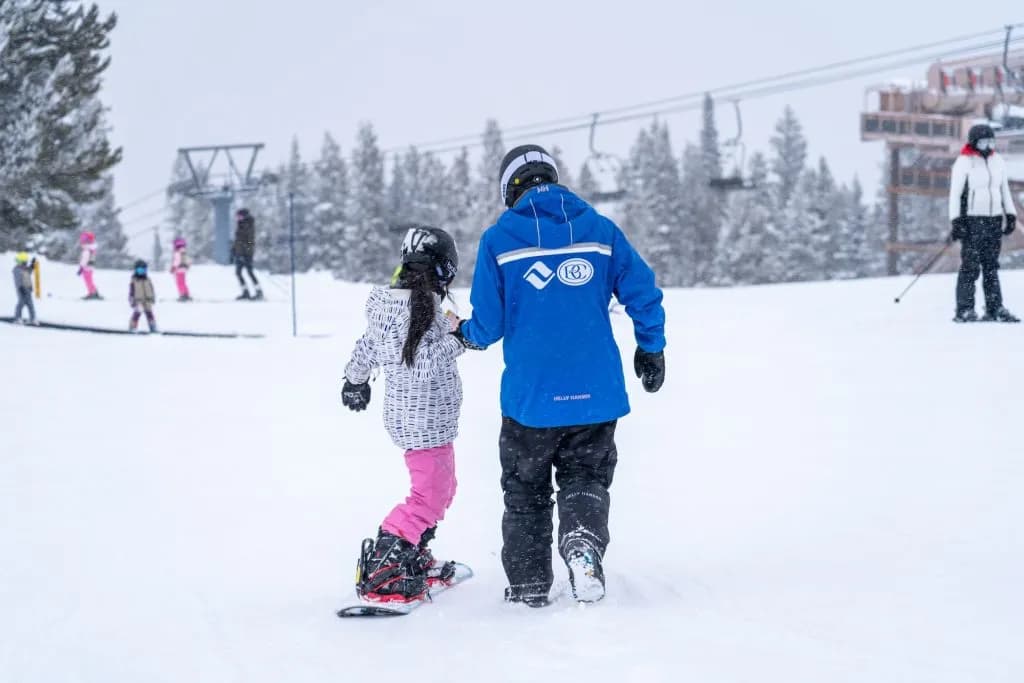
The company is already putting money where its mouth is. Next season, Vail Resorts plans to raise the bar on mountain food. They’re talking about significant investments to elevate their most popular dishes. They’re also introducing “Epic Ascent,” a new tier of private lessons that includes concierge services. It’s a move to separate the premium experience from the standard lift ticket, catering to those willing to pay for convenience and quality.
Katz has been under pressure for weeks. Activist shareholders are circling, and critics are loud. But he’s defending the core business model he ushered in 20 years ago. The multi-resort season ski pass is still the engine, but the fuel has to change.
“The immediate goal is not to continue focusing on expansion, but instead increase overall quality of the experience at Vail Resorts’ ski mountains,” the company stated.
It’s a pivot from quantity to quality. For the folks who commute up I-70 every morning, or who rely on the local workforce housing that’s been in short supply, it’s a promise that the experience on the mountain is finally getting the attention it’s been missing. The question is whether the investments will be enough to win back the loyalty of skiers who feel they’ve been priced out or crowded out.
To hear Katz tell it, the math is simple. If you deliver the best experience, the loyalty follows.
“The next chapter of growth for Vail Resorts is about delivering a guest experience that undeniably leads the ski industry and is best in class in the travel sector,” he said.
Keep up with Aspen
The day's Western Slope news, one email each morning. Free.