Michigan Ruling Threatens Legal Shield for Colorado's Craig Coal Plant
A federal court struck down a DOE emergency order for a Michigan coal plant, raising fears that the same legal mechanism propping up Colorado's Craig Unit 1 may soon collapse.
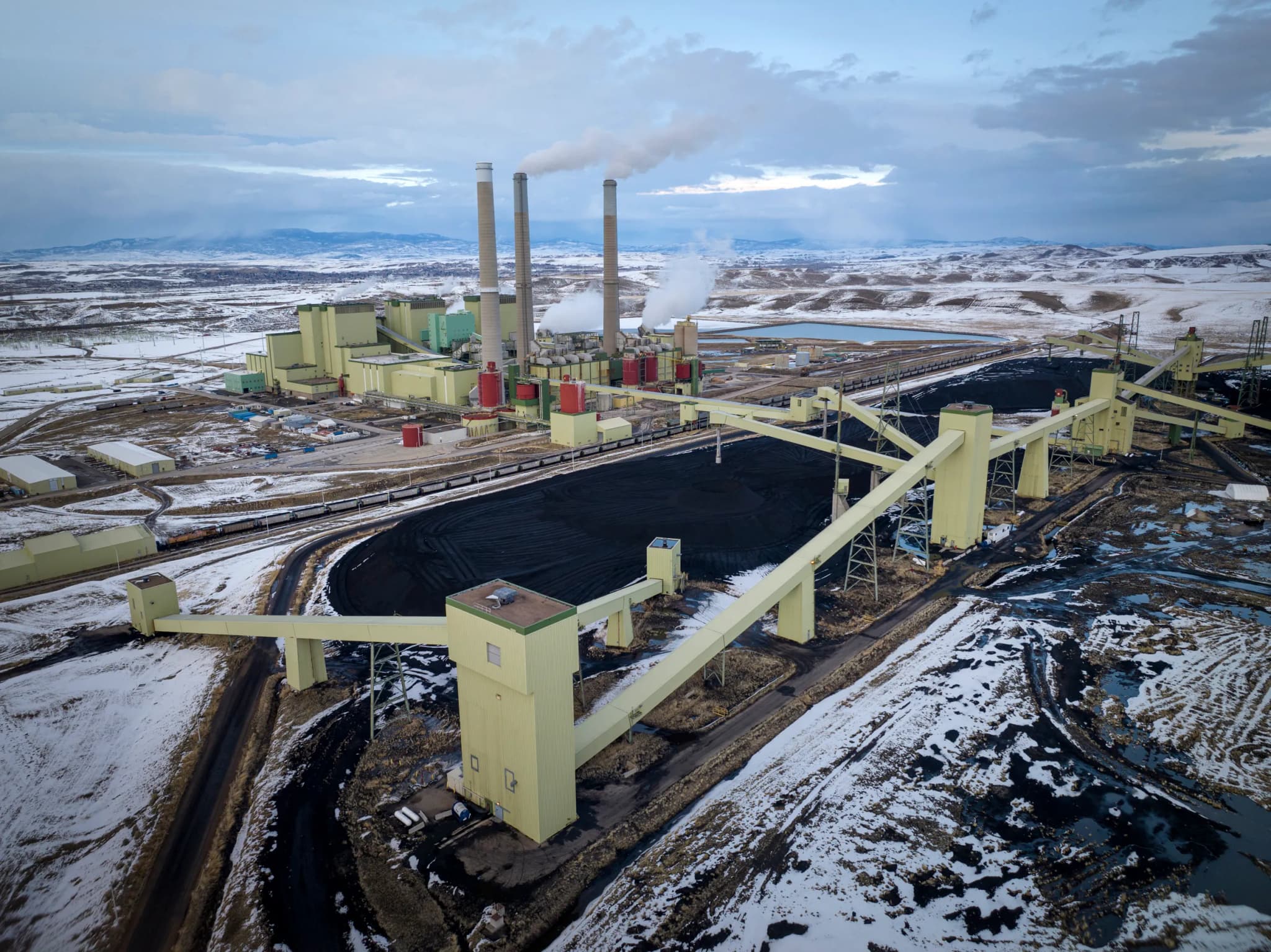
Steamboat Springs —The obvious take on the Michigan ruling is that it’s a win for market stability. A federal court just told the Department of Energy to stop micromanaging power grids. But if you look closer, the real story isn’t about electricity. It’s about the fragility of the legal shield protecting Colorado’s own coal plant.
On Friday, the U.S. Court of Appeals in Washington, D.C., struck down an emergency order keeping the J.H. Campbell Generating Plant in West Olive, Michigan, running. The court ruled that the Trump administration had overstepped its authority under section 202(c) of the Federal Power Act.
This matters here because the exact same legal mechanism is currently propping up Craig Unit 1 in Moffat County.
In December 2025, the DOE issued a 90-day order to the Tri-State Generation and Transmission Association, blocking the closure of the 45-year-old Craig Unit 1. The justification was nearly identical to the Michigan case: a sudden increase in electricity demand and a shortage of generation.
The court in the Michigan decision offered a warning that lands hard in Denver. The judges noted that the DOE’s broad interpretation of "emergency" could lead to "frequent federal interventions unsupported by the statute." They worried this approach threatened the stability of the energy market itself.
To hear them tell it, the fight is already joined. Colorado state officials, environmental groups, and the utilities operating the plant are all challenging the Craig order in the same federal court.
Margaret Kran-Annexstein, the Sierra Club Colorado chapter director, drew a direct line between the two cases.
“Like in the Campbell case, Colorado doesn’t face an actual emergency that the state’s resource planning tools can’t handle,” she said in a statement.
She argued that the federal government is using a vague definition of crisis to keep an outdated asset alive.
“And like Campbell, Craig is not needed and should be allowed to retire. The DOE should stop issuing orders requiring Craig’s operation,” Kran-Annexstein said.
The stakes are high. The DOE has extended the Michigan order every 90 days since 2025. If they win in Colorado, they can do the same to Craig Unit 1 indefinitely.
The question is whether the court will apply the same logic to the Colorado case. The legal arguments are parallel. The facts are similar. The outcome in Michigan suggests the federal government’s hand may be tied.
But the DOE isn’t backing down. Since the Michigan ruling, they’ve issued six more emergency orders to keep aging coal plants open across the country. They’re betting that the next court won’t follow the precedent.
For now, the lights stay on in West Olive. And in Craig, the turbines keep spinning. The legal battle is just beginning.
The Michigan court said the federal government’s conception of its emergency authority was "sweeping." That word might become very familiar to people in the valley.
Keep up with Steamboat Springs
The day's Western Slope news, one email each morning. Free.


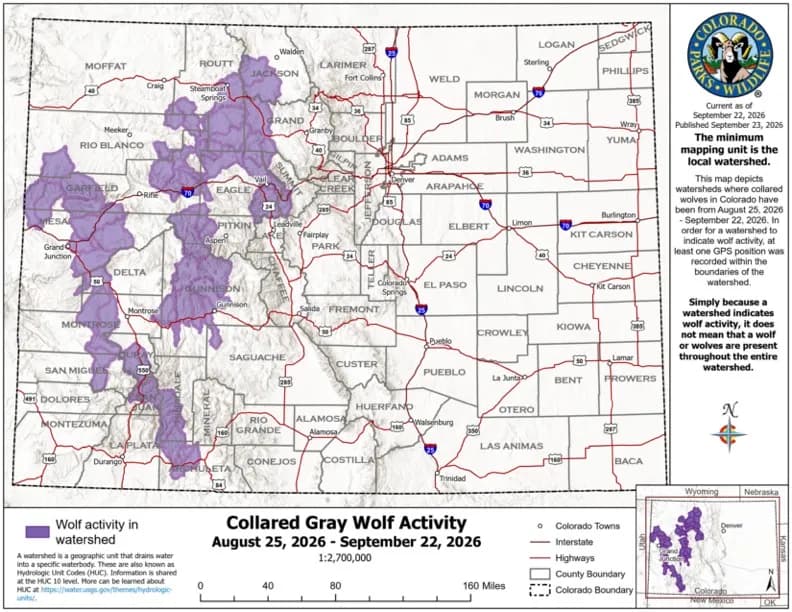
The map glows on the screen, a digital ghost of the landscape we walk every day
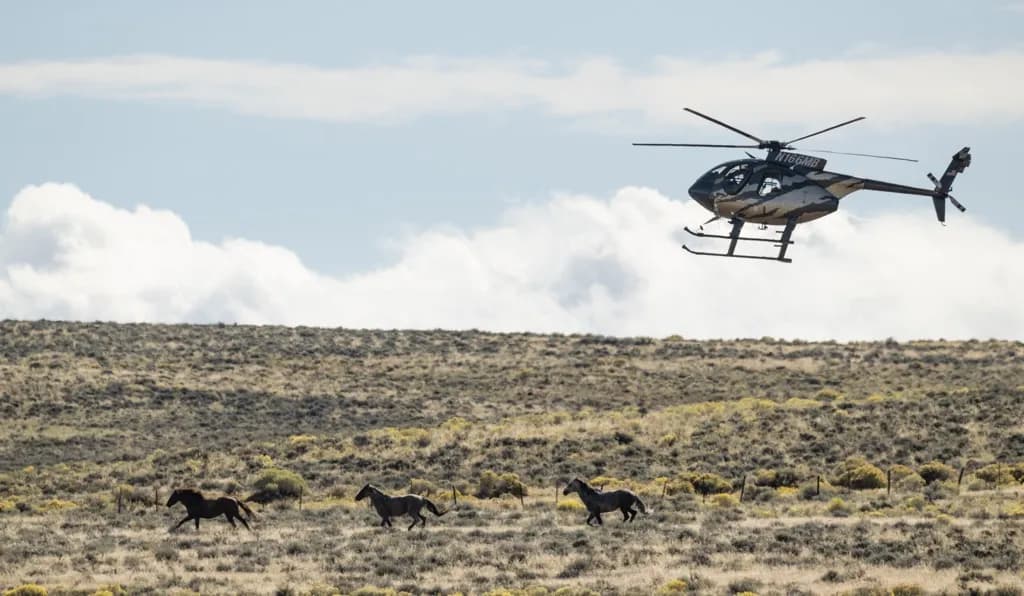
Helicopters Gather Wild Horses West of Craig