New State Housing Bills Help Roaring Fork Schools Build Staff Homes
New Colorado state legislation, including House Bill 1001, allows public schools like Roaring Fork Schools to bypass zoning rules to build housing on campus, addressing the critical issue of teacher affordability in the Western Slope.

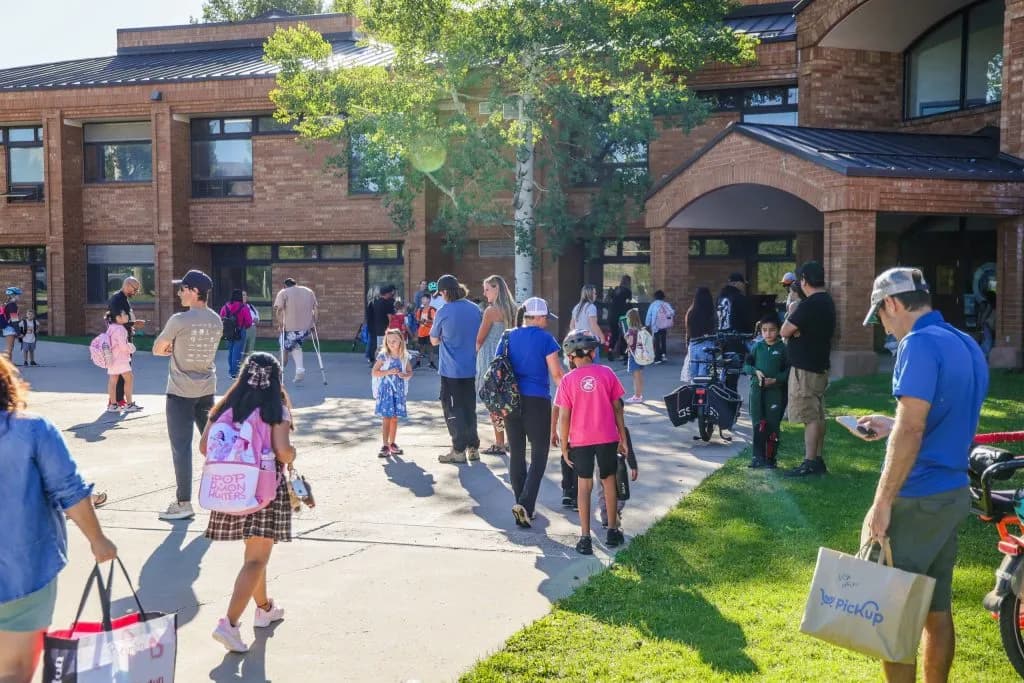
Colorado —What happens to the teacher who drives a forty-minute commute from Glenwood Springs to Carbondale when the school district can’t afford to build her a house?
That’s the real question hanging over the Western Slope this week, buried somewhere in a list of 101 legislative bills that passed or failed in Denver this year. It’s easy to scroll past the dry legalese of House Bill 1313 and forget that it directly impacts how local governments qualify for affordable housing funding. Under the old rules, most communities would have been disqualified from those dollars starting January 1st due to Proposition 123. The new formula changes the game. It ties funding targets to housing permits issued and jobs created locally, giving towns like ours a fighting chance rather than a blanket rejection.
Picture this: a teacher standing in a parking lot at dawn, checking her phone for the weather, wondering if the new zoning laws will actually help her stay in the valley.
The legislature spent 120 days debating hundreds of measures. The Colorado Sun and the Colorado Capitol News Alliance sifted through roughly 650 of them to find the ones that matter — the ones that hit people’s wallets or change how they live. Governor Jared Polis still has about a month to sign these bills into law, veto them, or let them become law without his signature. That window is closing.
Take House Bill 1001, signed into law in March. It’s a big one. It lets public schools, colleges, and universities bypass local zoning rules to build housing on their own land. Starting in 2028, any local government with a population over 2,000 must allow qualifying organizations — transit agencies, public housing authorities, nonprofits with a proven track record, to build residential units on their land, regardless of current zoning. For a district like Roaring Fork Schools, which has been trying to expand affordable housing for staff for years, this isn’t just a policy tweak. It’s a potential solution to a staffing crisis that has nothing to do with teacher quality and everything to do with whether they can afford to live where they work.
Then there’s House Bill 1120, awaiting the governor’s signature. It offers more protections to mobile home owners who are delinquent on property taxes. If you’re living in a mobile home park off Highway 82 and the county sends a notice, this bill gives you a bit more breathing room before you lose your roof. It’s a small thing, but in a region where mobile home parks are some of the few remaining affordable options for seniors and working families, it’s a big deal.
And House Bill 1202? It boosts regional collaboration on homelessness. It allows local governments to form political subdivisions to coordinate strategies and lets counties use a portion of real estate document filing fees for affordable housing. It also directs the Department of Local Affairs to put together a statewide homelessness prevention plan. That means more coordination between Garfield, Rio Blanco, and Mesa counties, rather than each town fighting its own battle alone.
Not exactly a silver bullet. But it’s a start.
The list of 101 bills is long. It covers guns, immigration, healthcare, energy, and transportation. But the housing measures are the ones that will determine whether Western Slope remains a place where teachers, nurses, and service workers can actually afford to live, or if we become a bedroom community for the wealthy who commute in from elsewhere. The bills are waiting for the governor’s pen. The clock is ticking.
Outside the Capitol, the wind is picking up. It’s the same wind that blows down the Roaring Fork Valley, carrying the scent of pine and dust. It doesn’t care about zoning laws or tax delinquencies. It just blows. And we’re left to figure out how to build our houses in its path.
Keep up with Colorado
The day's Western Slope news, one email each morning. Free.


Federal Report Sets 200,000 Acre-Foot Water Conservation Target for Upper Basin

Colorado Parks and Wildlife Deploys Precision Drones for Weed Control