Local Expert Shares Simple Food Swaps for Better Health
Discover how making conscious food choices can significantly impact your overall health and wellbeing, with insights from local expert Dr. Feinsinger.
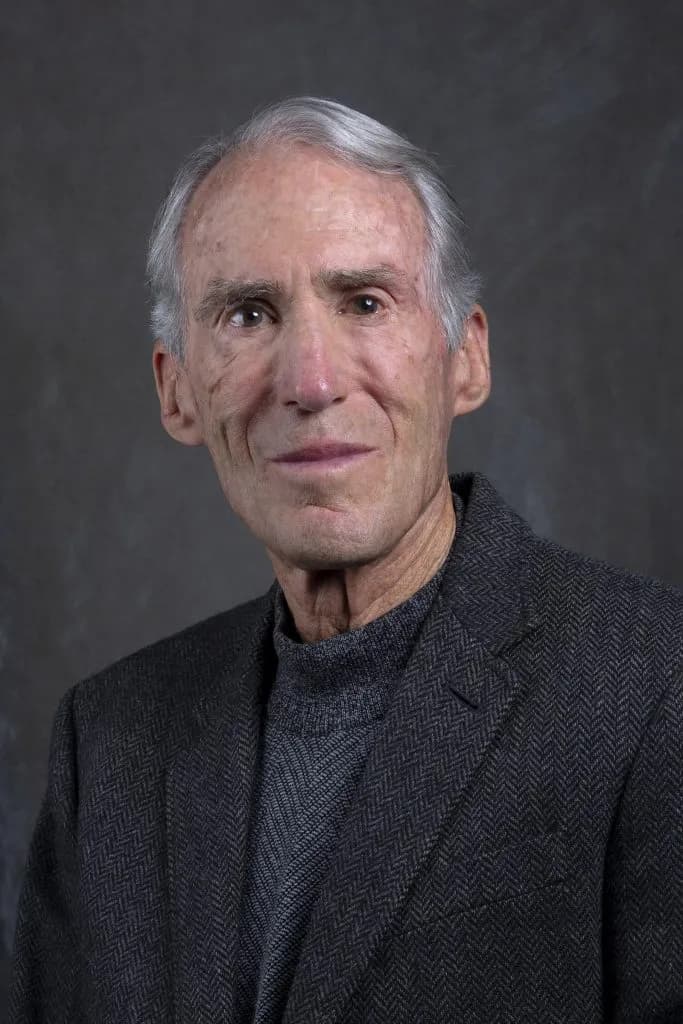
Glenwood Springs —What can folks around here do to improve their health, and how can simple food swaps make a difference? As it turns out, making conscious decisions about our diet can have a significant impact on our well-being. Dr. Feinsinger, a local expert, has been sharing random health tips, and some of the most interesting insights come from the Physician Committee for Responsible Medicine (PCRM) and the Center for Science in the Public Interest.
As Dr. Feinsinger notes, the Navajo Indians' experience is a compelling example of how diet can affect health. When they were forced to abandon their ancestral diet of squash, maize, and beans, and instead adopt a diet rich in lard, white flour, and sugar, they developed high rates of obesity and Type 2 diabetes. The PCRM has been working with the Navajos to help them return to their traditional diet, and the results are promising. "We're not just talking about a diet, we're talking about a way of life," says Dr. Feinsinger. The numbers back that up: a recent study showed that plant-based protein resulted in better outcomes than animal protein for patients with chronic kidney disease.
But what about specific food options? Take butter, for example. Research from 220,000 people followed for up to three decades found that a tablespoon of butter a day increased the risk of all-cause mortality by 15%. That's a staggering statistic, and it's enough to make anyone think twice about their daily habits. As Dr. Feinsinger puts it, "Butter is not good for you, and it's time to consider alternatives." The good news is that there are plenty of healthy alternatives available, from plant-based milks to olive oil.
The question is whether these simple food swaps can add up to make a big difference in our overall health. The answer, according to Dr. Feinsinger, is a resounding yes. "It's not just about making one or two changes, it's about adopting a whole new approach to food and health," he says. The evidence suggests that even small changes can have a significant impact. For example, a recent study showed that people who ate soft ultra-processed food consumed 370 more calories a day than people who didn't.
As locals, we're lucky to have access to a wide range of healthy food options, from farmers' markets to health food stores. But it's not just about having access to healthy food — it's about being informed about nutrition. "We need to educate people about the importance of healthy eating, and provide them with the tools and resources they need to make informed decisions," says Dr. Feinsinger.
The community is already taking steps in the right direction. For example, the PCRM and other nutrition authorities were instrumental in getting Congress to pass a law ensuring that plant-based milk is available in school lunches for kids who are plant-based, have lactose intolerance, or just prefer it. This law has had a direct and positive impact on public health, and it demonstrates the power of advocacy and education in shaping our food systems.
As we move forward, it's clear that there's still more work to be done. The Center for Science in the Public Interest is urging the FDA to fill the 40 formula inspector positions that are vacant, in the wake of a recent botulism outbreak linked to contaminated infant formula. That's a critical step in ensuring that our food safety systems are working properly.
In the end, it's up to each of us to take control of our own health, and to prioritize whole, plant-based foods in our diets. As Dr. Feinsinger says, "By making a few simple changes to our diets, we can improve our health, and live better lives," he says.
Keep up with Glenwood Springs
The day's Western Slope news, one email each morning. Free.




White River National Forest Proposes New Management Zones at Sweetwater Lake

Bennet and Hurd Introduce Bipartisan Bill to Block Mid-Continent Quarry Expansion