Senate Bill 5 Lets Coloradans Sue Federal ICE Agents
Senate Bill 5 clears the Colorado legislature, allowing residents to sue federal ICE agents for constitutional violations in state court, pending Governor Jared Polis' signature.
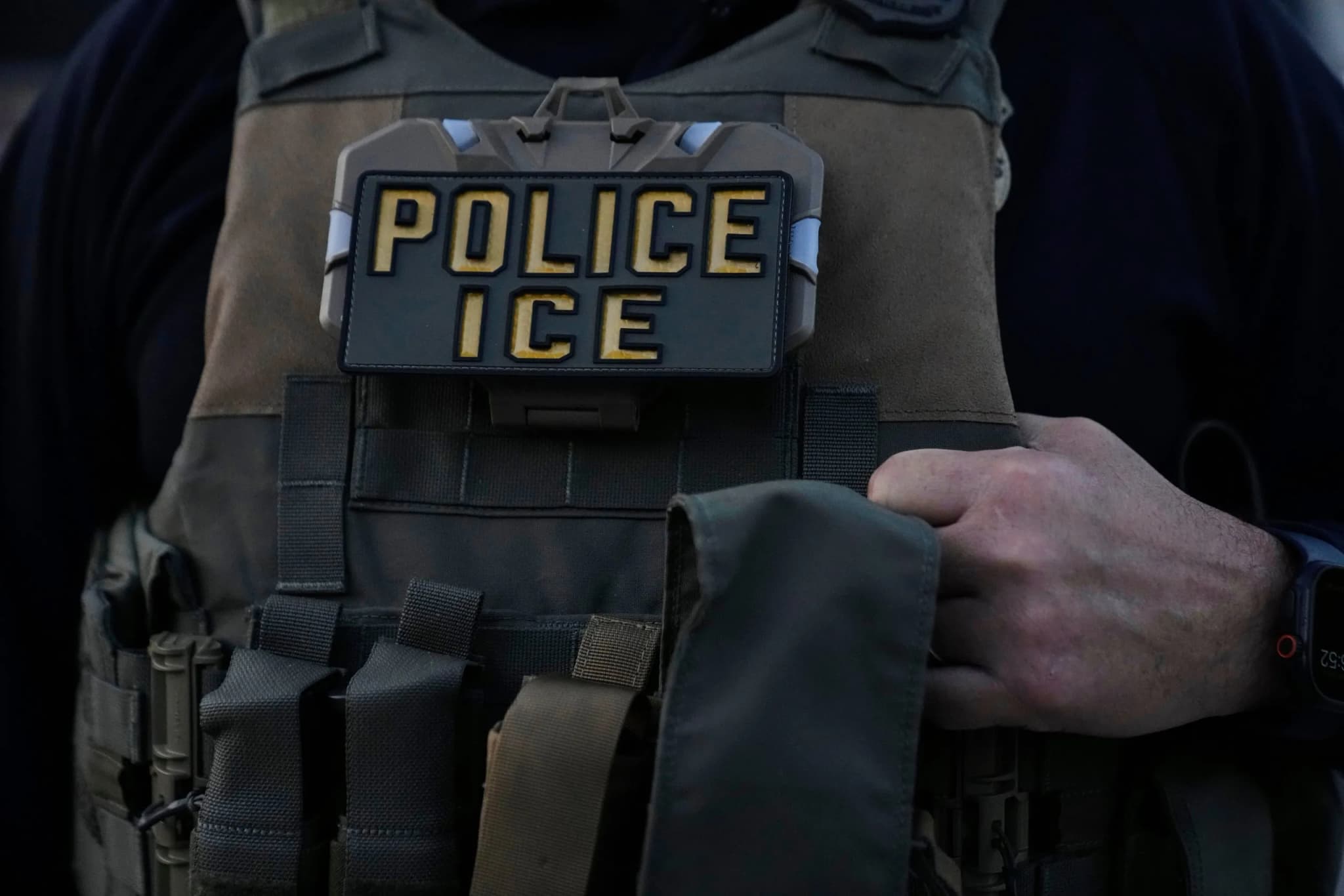
Colorado —The morning air in Park Ridge, Illinois, carries the specific, heavy silence of a raid in progress. It is a sound locals know well now — the crunch of boots on pavement, the low murmur of orders, the sudden stillness that falls over a neighborhood when federal agents move in. That scene, replicated in smaller, quieter increments across the state, is the heartbeat of Senate Bill 5, a piece of legislation that has just cleared the Colorado legislature and is now waiting on Governor Jared Polis’ desk.
This isn’t just another bill about bureaucracy. It’s about who gets to be sued when the feds come calling.
For years, Colorado residents have faced a legal blind spot. If a local police officer violated your constitutional rights, you could sue. If a state official did, you could sue. But if a federal Immigration and Customs Enforcement (ICE) agent unlawfully searched you, seized you, or acted with what supporters call "police brutality," you were largely out of luck. The federal system is a maze of sovereign immunity, and the pathway to justice was narrow, expensive, and often closed. SB 5 opens that door. It allows Coloradans to sue federal immigration officers directly in state court for constitutional violations.
"We’re creating a circumstance where... you have a cause of action to stand up for yourself in court," said bill sponsor State Rep. Javier Mabrey, D-Denver.
Mabrey’s words aren’t abstract legal theory. They’re a response to a reality that has shifted dramatically since President Donald Trump took office. Immigration arrests here have surged. While we haven’t seen the massive, high-profile operations of Minneapolis, New York, or Chicago, the pressure is building. The bill was already in the works before the deaths of Alex Pretti and Renee Good in January, but their story gave it urgency. Now, it’s a direct challenge to the idea that federal agents operate with automatic immunity just because they’re wearing the badge.
The bill is specific. It targets violations that occur during immigration enforcement operations. It sets a two-year window to file lawsuits. It takes effect immediately, pending Polis’ signature. But it’s not without its rough edges. The legislature passed it along party lines, a predictable political dance, but the governor’s stance remains unclear. Polis hasn’t indicated whether he’ll sign it, leaving locals wondering if the protection will hold or if it will be vetoed before it ever reaches a courtroom.
There’s also the context of what just failed. Days ago, a broader bill, Senate Bill 176, died in the Senate Judiciary Committee. That one would have allowed suits against a wider range of federal officials, including state and local ones. Local governments, law enforcement, and District Attorney Phil Weiser — who is currently running for governor, opposed it, arguing it would open the state up to too many lawsuits. SB 5 was the compromise, narrowing the focus to immigration enforcement to avoid that broader backlash.
So, what does this mean for you? If an ICE agent pulls you over or raids a building and violates your rights, you now have a clearer path to sue them in Colorado state court. It’s a deterrent, Mabrey hopes. It’s a way to say, "You don’t have immunity just by saying you’re doing your jobs."
The bill moves to Polis now. The state has watched the federal crackdown intensify. The arrests are up. The tension is palpable in the courthouses and the precincts. And now, the law is changing to match the reality on the ground.
Outside the Capitol, the wind picks up, carrying the scent of dry sage and distant rain. It’s a quiet day in Denver, but the legal landscape is shifting, one lawsuit at a time.
Keep up with Colorado
The day's Western Slope news, one email each morning. Free.
Federal Report Sets 200,000 Acre-Foot Water Conservation Target for Upper Basin
Colorado Parks and Wildlife Deploys Precision Drones for Weed Control