Steven Spurrier Shakes Wine Industry in 1976 Paris Event
The 1976 Judgment of Paris wine tasting event, led by Steven Spurrier, revolutionized the wine industry by pitting American wines against French wines in a blind competition.
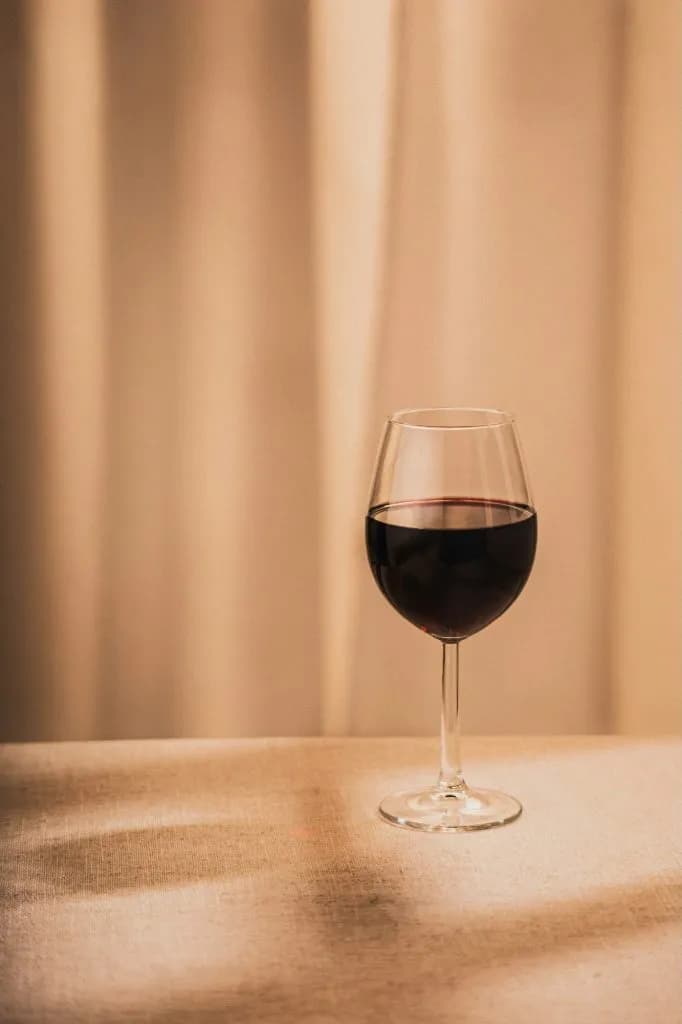
Aspen —The sun casts a warm glow over the vineyards of Napa Valley, rows of lush green grapes stretching as far as the eye can see. In a small wine shop on the streets of Paris, 1976, a quiet revolution is brewing. Behind the counter, Steven Spurrier, a British wine merchant, is about to shake the foundations of the wine world.
Spurrier's story begins with a series of chance encounters with winemakers from California, who would stop by his shop to pour their wines. He's taken aback by the quality of these American wines, yet they're largely unknown in the industry. As he recalls in a 2016 interview with TIME magazine, "I was an Englishman in Paris, I was already a square peg in a round hole. And these were very, very good wines. So why don’t we do something about it?" This spark of curiosity sets off a chain of events that will change the course of wine history.
With his colleague Patricia Gallagher, Spurrier hatches a plan to host a wine tasting event, coinciding with the bicentennial of the American Revolution. They visit Napa wineries, selecting six chardonnays and six cabernet sauvignons, without revealing their intentions to the winemakers. The goal is to pit these American wines against the finest French wines, in a blind, head-to-head competition. This bold move is designed to grab the attention of the judges, a panel of esteemed French wine experts, including sommeliers from top Parisian restaurants and the editor of a prominent French wine publication.
The stage is set at the prestigious Intercontinental Hotel, with invitations sent to journalists from around the world. All but one decline, and it's only after a second invitation that George Taber, a correspondent for TIME Magazine, agrees to attend. As the judges begin their deliberation, they're confident in their ability to distinguish between the French and American wines. But, as the tasting progresses, their certainty begins to waver. One judge praises a Napa chardonnay, exclaiming, "Ah, back to France!" – unaware that the wine is, in fact, from California.
Here's the thing, though: this event, known as the Judgment of Paris, is not just a story about wine; it's about challenging the status quo and pushing the boundaries of what's possible. The fact that American wines can hold their own against the best of France is a revelation, one that will have far-reaching consequences for the industry. And that matters because, for the first time, it puts American wines on the map, recognizing their quality and potential.
As the 50th anniversary of the Judgment of Paris approaches, it's worth revisiting this pivotal moment in history. The impact of this event is still felt today, with American wines continuing to gain recognition and respect worldwide. Picture this: a world where the playing field is level, and wines are judged solely on their merit, regardless of their origin. Spurrier and Gallagher's legacy lives on, a lasting result of their courage and vision, which helped create a more inclusive and competitive wine industry.
In the vineyards of Napa Valley, the sun dips below the horizon, casting a warm orange glow over the rows of grapes. The landscape of wine production is not the same as it was in 1976, and that's largely due to the courage and vision of Steven Spurrier and Patricia Gallagher. Their actions had a profound effect, a potent mix of curiosity, determination, and a willingness to challenge established norms. Not exactly a recipe for revolution, but a significant factor in the growth and development of American wines.
Keep up with Aspen
The day's Western Slope news, one email each morning. Free.

Aspen's ACES Returns Annual Harvest Party to Rock Bottom Ranch
Glenwood Ghostwalk Brings Frontier History to Life in Linwood Cemetery