Tom Mowle Decodes the 'Ally' Shift in Baghdad Strategy
Tom Mowle reflects on his 2004 time in Baghdad, where he navigated bureaucratic ambiguity and a demanding Colonel to interpret the strategic shift from 'partner' to 'ally' in the Iraq War.
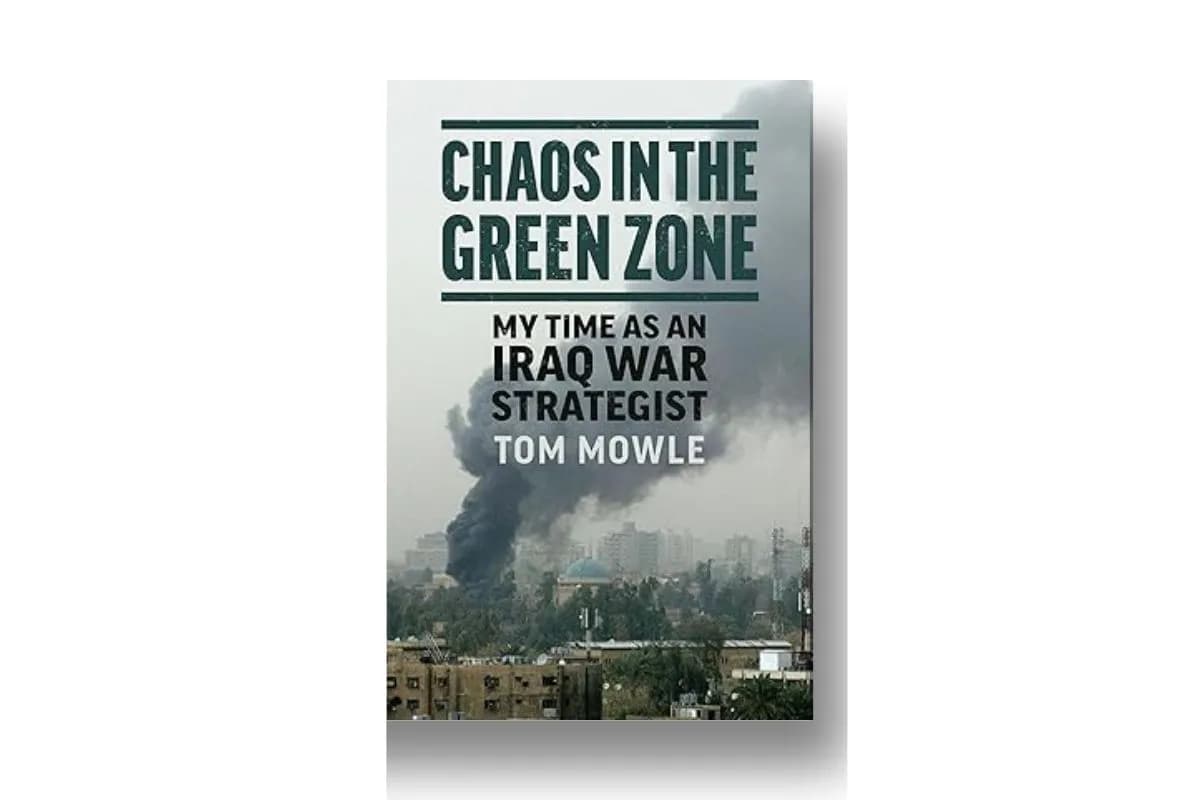
Colorado —Tom Mowle sits in the quiet of his Colorado home, remembering the smell of stale coffee and the hum of generators in Baghdad. It’s August 2004. He has just traded the structured discipline of the Air Force Academy for the chaotic, classified corridors of the Multinational Force-Iraq headquarters. He is no longer teaching cadets how to lead; he is helping decide how to win a war that everyone seems to be defining differently.
The Colonel in charge of Strategy is a looming figure — big, bald, and perpetually bad-tempered. He doesn’t greet you. He doesn’t smile. He sits in the corner of the office, criticizing whoever happens to be within earshot, dropping F-bombs with the casual frequency of Curtis LeMay dropping bombs over Tokyo. Mowle gets the desk closest to him. It’s a front-row seat to intimidation.
The work itself is a puzzle with missing pieces. Mowle starts in the Policy Division, dealing with militia demobilization, but the Colonel pulls him into Strategy. The first task seems simple: look at how the upcoming Iraqi election might go and prepare for different outcomes. But the next day, the Colonel drops a "PhD Challenge." Mowle has twenty-four hours to answer three questions. He needs to prove he’s pretty fucking smart.
The first question is a bureaucratic absurdity. The official victory conditions — the "desired end state", are classified. They read like a mission statement written by a committee that never had to live there: Iraq would be peaceful, united, stable, secure, integrated into the international community, a partner in the global war on terrorism, democratic, and an engine for regional economic growth.
Here’s the thing though: someone in Washington recently changed one word. "Partner" became "ally."
The Colonel asks what that shift means for the strategy in Iraq. Mowle isn’t supposed to go to the Bush administration and ask. Asking for clarification might suggest he’s too stupid to understand. Or worse, it might result in an answer they don’t want him to hear; like the idea that the new goal is a formal treaty negotiated with Iraq and confirmed by the Senate.
So, Mowle stays silent. He gives the question to the guy who’s been in the office for two days. He develops an interpretation they can live with.
How is an ally different from a mere partner? Formal allies, like Japan, Australia, and NATO members, have mutual defense agreements. There’s also a category called "major non-NATO allies," which includes Israel, Egypt, Jordan, and Argentina. Bush had recently declared Pakistan a major non-NATO ally, even though it wasn’t cooperating much in the Global War on Terror. Some wondered if Pakistan might be sheltering Osama bin Laden.
This isn’t just wordplay. It’s about how much blood and money the U.S. is willing to spend. If Iraq is a partner, we help them build. If they are an ally, we might have to defend them. The shift changes the stakes, but nobody in the Green Zone is quite sure who is actually in charge of the definition.
Mowle spends his nights trying to translate bureaucratic ambiguity into actionable strategy. He watches the Colonel pace the office, looking for flaws in the logic. The war is happening outside the walls, but inside, the battle is over semantics. The goalposts are moving, and the definition of victory is being rewritten in real-time, classified documents stacked on desks across Baghdad.
It’s a lesson for anyone watching the news today: when the language changes, the reality often follows. The "desired end state" is a nice phrase on paper. It’s less nice when you’re trying to figure out if you’re sending troops to build a democracy or to secure a treaty.
The Colonel eventually accepts Mowle’s answer. It’s not perfect. It’s never perfect. But it’s enough to keep the machine running for another day. Mowle goes back to his desk. The generators hum. The coffee is still stale. And the question of what "ally" really means hangs in the air, unanswered, until the next crisis arrives.
Keep up with Colorado
The day's Western Slope news, one email each morning. Free.
Aspen's ACES Returns Annual Harvest Party to Rock Bottom Ranch
Glenwood Ghostwalk Brings Frontier History to Life in Linwood Cemetery

Georgie White’s Wild Legacy Challenges Outdoor Superwoman Myth
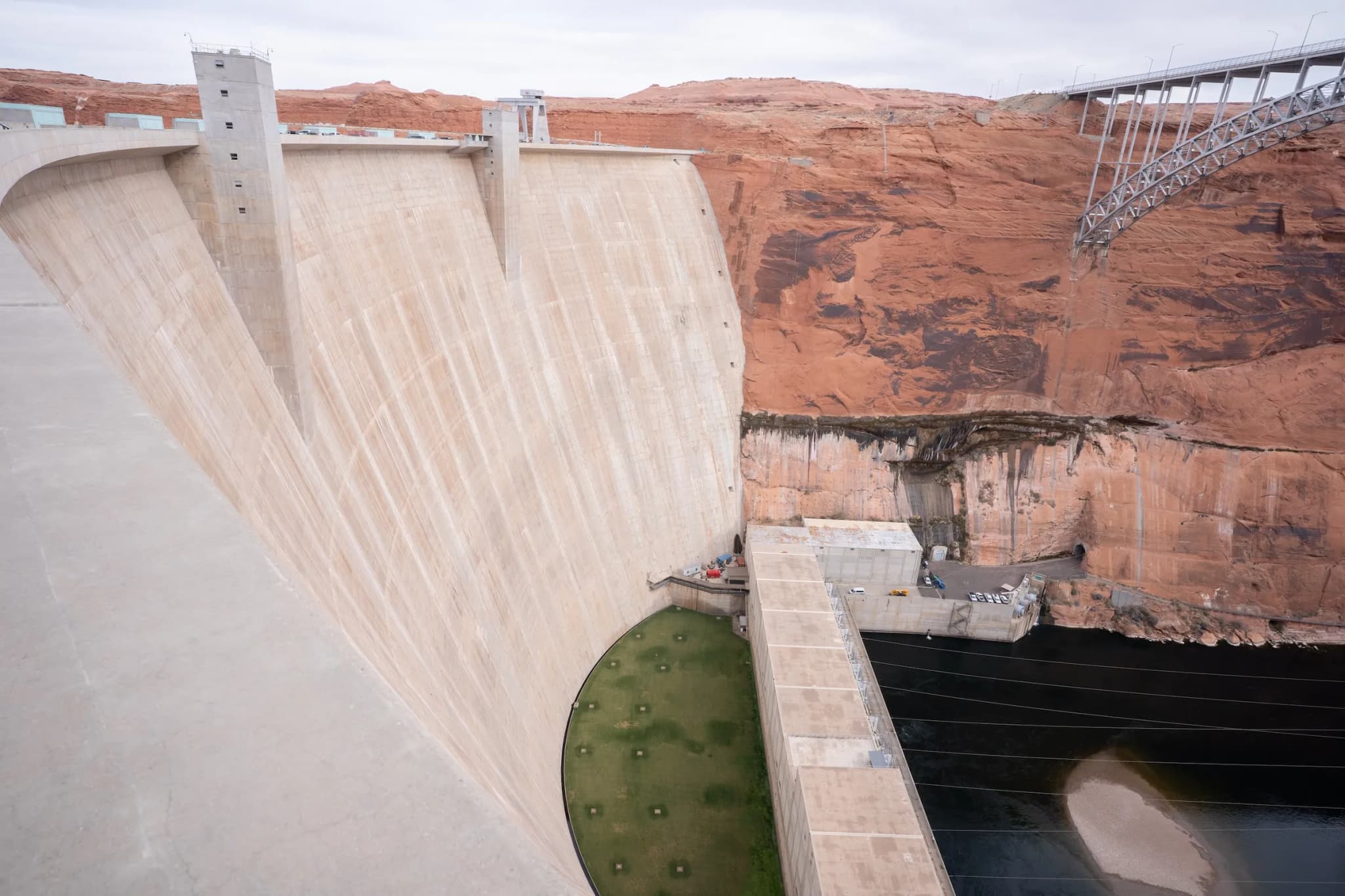
Federal Report Sets 200,000 Acre-Foot Water Conservation Target for Upper Basin
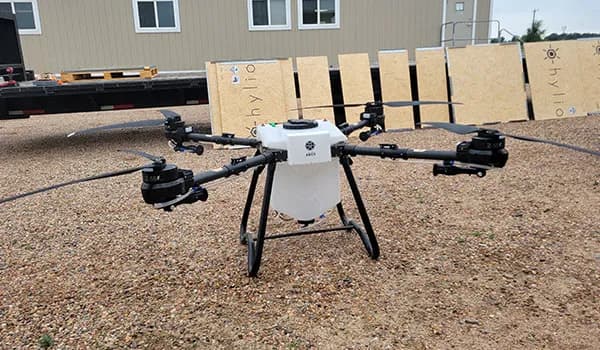
Colorado Parks and Wildlife Deploys Precision Drones for Weed Control