Trump Administration Targets National Park Signs
The Trump administration's efforts to remove or modify national park signs deemed 'improper' or 'disparaging' raise concerns about the role of history in shaping national identity.
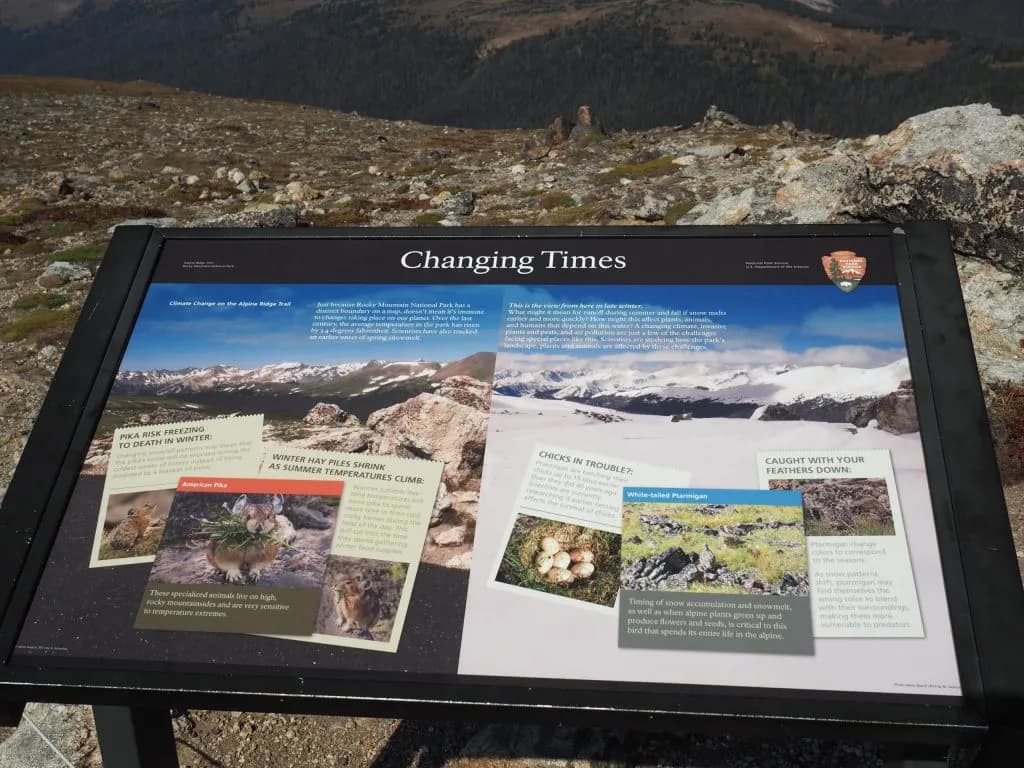
Steamboat Springs —As I stand at the edge of Mesa Verde National Park, the warm sunlight casts a golden glow on the stone-masonry tower in the distance, situated on the neighboring Ute Mountain Ute Reservation. The air is filled with the sweet scent of piñon pine, and the sound of birds chirping echoes through the canyon. A trailside sign nearby invites visitors to gaze out at this breathtaking view, while also sharing the history of the Ute people, a Native American tribe that traditionally migrated seasonally between the mountains and valleys of their homelands. But this sign, and hundreds of others like it across the country, has been targeted by the Trump administration, citing concerns over "improper partisan ideology" and accounts that "disparage" Americans.
The sign in question recounts the impact of settlers on the Ute people during Western expansion, and how the U.S. government established a reservation system that reduced the tribe's territory to only a sliver of its ancestral lands. Mark Wing, Ute Mountain Ute Tribal Historic Preservation Officer, emphasizes that the sign is accurate, and modifying or removing it would continue a long history of the U.S. government attempting to erase Native American culture. "That is the truth," Wing says of the history depicted on the sign. "... We can't just have one side of the story like the Trump administration wants." As I listen to Wing's words, I'm reminded of the importance of preserving our collective history, even the parts that are difficult to confront.
As I walk through the park, I notice the subtle details that make this place so unique – the way the light filters through the trees, the sound of the wind rustling through the leaves, and the smell of the earth beneath my feet. But I also notice the signs that dot the landscape, each one telling a story about the natural and cultural history of this place. The removal or modification of these signs would have a profound impact on our understanding of this land and its inhabitants. Our collective history would be diminished, and the complexities of our past would be lost. The administration's efforts to purge national parks of content deemed "improper" or "disparaging" raise important questions about the role of history in shaping our national identity. The Trump administration's actions are part of a broader effort to shape the narrative of American history, one that prioritizes a simplistic and triumphant view of the past over a nuanced and multifaceted one.
In Colorado, at least 10 different items, including interpretive signs about pikas, white-tailed ptarmigans, high-Alpine tundra, and books about Native American history, at two national parks are subject to the administration's orders. An anonymous group describing itself as "civil servants on the front lines" published a database online earlier this month, revealing the scope of the administration's efforts to alter the content of national parks. The Washington Post has reported that the database includes hundreds of items related to the nation's history of slavery and segregation, Native American removal, sexism, LGBTQ+ rights, climate change, and pollution that are slated for removal or modification at national park sites around the country. The executive order Trump issued last March states that there has been a "concerted and widespread effort" to "undermine the remarkable achievements" of the U.S. by casting a negative light on the nation's history. But as I stand in this beautiful, complex, and multifaceted landscape, I'm reminded that our history is not a simple or straightforward narrative. It is a tapestry of stories, each one intertwined with the others, and each one worthy of consideration and respect. And I'm left with the sound of the wind rustling through the leaves, and the smell of the earth beneath my feet, as a reminder of the beauty and complexity of our collective history.
Keep up with Steamboat Springs
The day's Western Slope news, one email each morning. Free.
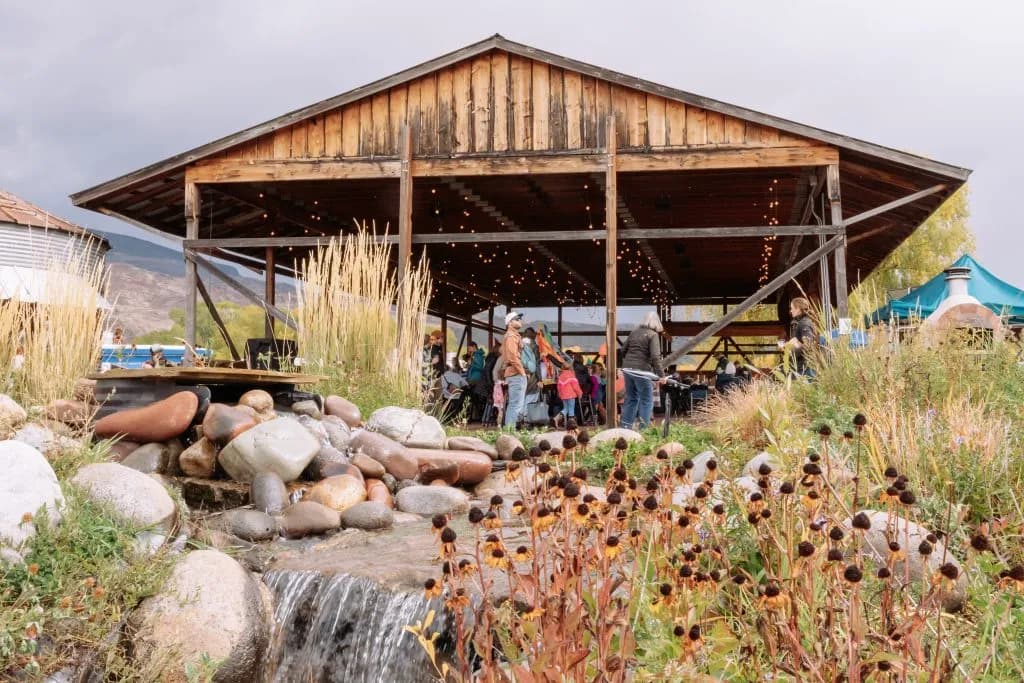
Aspen's ACES Returns Annual Harvest Party to Rock Bottom Ranch
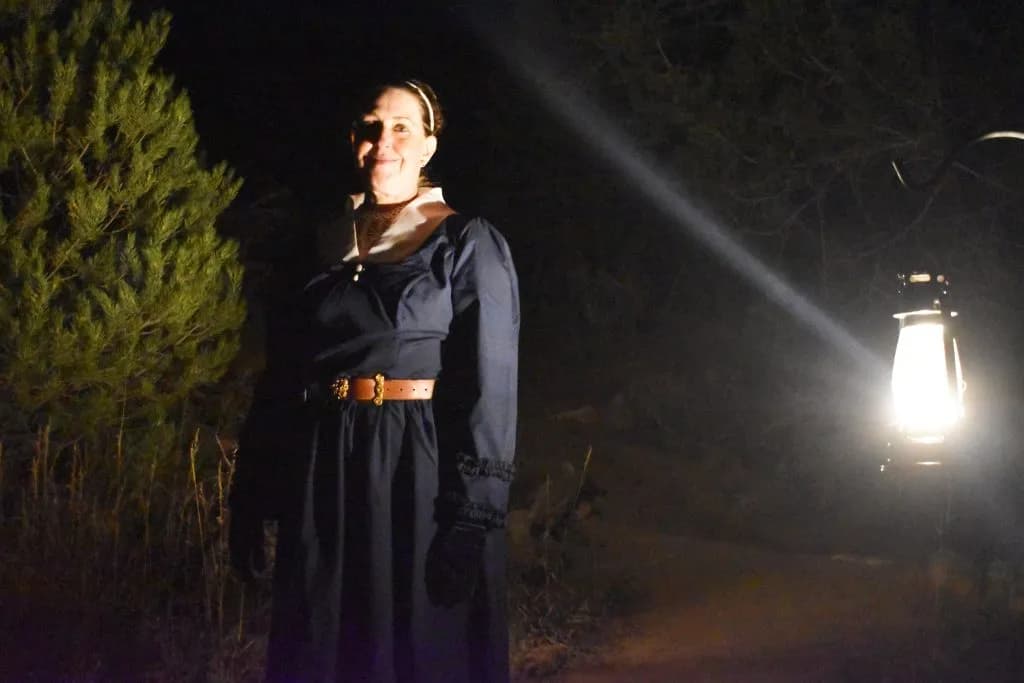
Glenwood Ghostwalk Brings Frontier History to Life in Linwood Cemetery

Georgie White’s Wild Legacy Challenges Outdoor Superwoman Myth

Moffat County High School Bets on Critical Thinking Over Energy Jobs
NWRM CASA Honors Judge O’Hara and Founders at 15th Anniversary