Delta Residents Advised to Leave Baby Birds Alone
Guidance for Delta residents on how to handle baby birds found on the ground, including when to intervene and when to leave them alone.
Vail —What should I do if I find a baby bird on the ground in my backyard in Delta? The sun is shining down on the grass, a gentle breeze rustling the leaves of the trees, and you're out for a walk, enjoying the peaceful morning, when suddenly, you spot a tiny ball of fluff on the ground - a baby bird. Your first instinct might be to scoop it up, to help it, to save it, but here's the thing though, it's usually best to leave it alone. Folks around here know that baby birds, especially those learning to fly, often end up on the ground, and it's all part of the process. They're called fledglings, and they need space to stretch and strengthen their wings, even if they aren't proper flyers yet. You see an anxious bird nearby, probably mama or papa, watching from a safe distance, waiting for their little one to figure things out. If the bird is in a safe location, there's nothing that needs to be done - no need to call someone, no need to panic. Baby robins, for example, fledge at 13 or 14 days old, while golden eagles take a whopping 60-70 days to learn before they leave the nest.
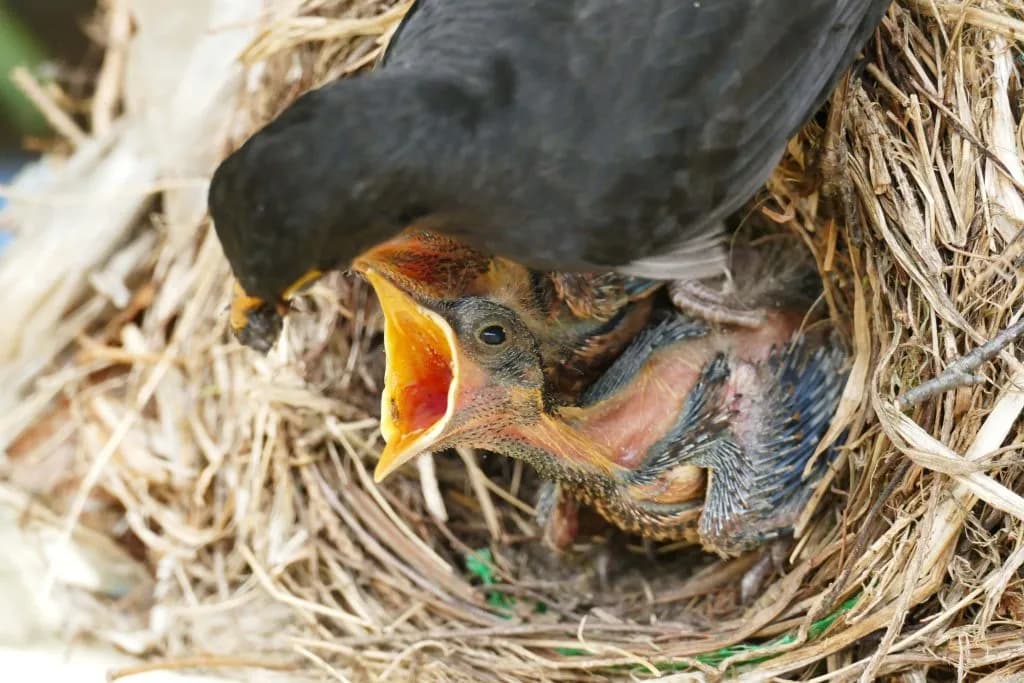
Picture this: you're out on a hike near the Grand Mesa, and you come across a tiny bird on the ground, its eyes closed, no feathers - that's a hatchling or nestling, and it shouldn't be out of the nest yet. In this case, you can gently put it back in its nest if you see one nearby - don't worry, touching the baby won't cause its mother to abandon it, that's just a myth. If you don't see a nest, you can place it somewhere close that looks safe and warm. But here's what you shouldn't do: don't take the bird home with you, don't try to heal it yourself - baby birds require proper nutrition, temperatures, and care, and it's best to contact a professional wildlife rehabilitation facility. And that matters because these facilities have the expertise and resources to give the baby its best chance of survival. Not exactly a straightforward process, though - wildlife rehabilitation facilities don't have the capacity to take on every injured bird.
When to Intervene
As you're assessing the situation, take a closer look - does it look injured? If you see blood, a mangled foot or wing, or the bird is visibly lethargic, it's time to take action. Only take action if the bird is obviously in distress, though - removing a bird that has no clear injuries could do more harm than good. You're out on a walk near the Colorado River, and you see a bird struggling to move, its wing twisted at an awkward angle - that's when you know it's time to intervene. Contact a professional, and let them handle it - they'll know what to do, and they'll give the baby its best chance of survival. It's a delicate balance, though - helping may end up causing more harm than good, and it's almost always best to leave wild birds on their own. They're built to survive the wild, after all. Observing from a distance is usually the kindest and safest choice for both you and the bird. You're standing there, watching, wondering what to do, and the best course of action is often to simply let it be. The baby will figure it out, or its parents will - either way, it's best to let nature take its course. And as you're standing there, you notice its tiny chest rising and falling, its beak opening and closing, and you realize that it's just a little creature trying to make its way in the world. You take a step back, and let it be, and that's when you know you've made the right decision.
Keep up with Vail
The day's Western Slope news, one email each morning. Free.