Outdoor Participation Beats Drinking for First Time as Core Users Decline
Outdoor participation surpassed alcohol consumption in 2025 with 183.2 million Americans, but the surge is driven by new, less frequent users while loyal core participants drop, threatening the $1.3 trillion industry's foundation.
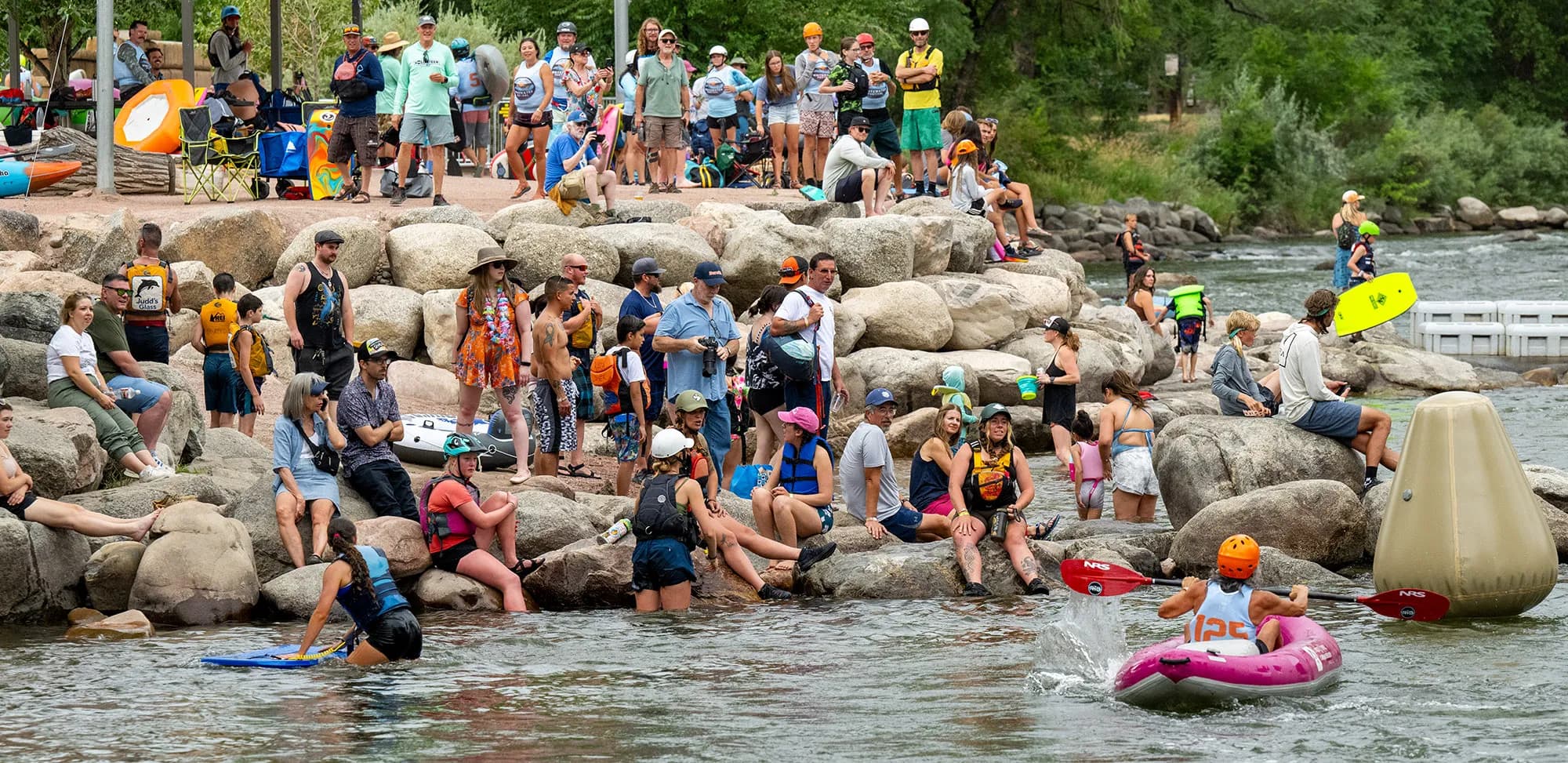
Colorado —183.2 million Americans got outside in 2025. That’s 59% of the population over age five.
Kelly Davis, who runs the data at the Outdoor Industry Association, put it bluntly: “That’s more participation than booze.”
According to the Colorado Sun, about 54% of Americans drink alcohol. The outdoors won the head-to-head matchup for the first time in recorded history.
On paper, this is a victory lap for the industry. The OIA counted 11.9 billion outdoor trips last year. That averages out to 65.2 outings per participant.
In practice, the numbers are shrinking.
Participants went outside fewer times in 2025 than they did in 2012. Back then, the average was 87 trips a year. That’s a 25% drop in frequency for the people who actually keep these businesses open.
The boom isn’t coming from your typical weekend warrior anymore. It’s coming from people who barely stepped onto a trail before 2020.
The OIA says the outdoor movement has added more than 30 million Americans since the pandemic. That’s a massive influx of new players.
Older adults are driving a chunk of that growth. People 65 and up went outside more than 12 million times in the last decade alone.
Kids are fueling it too. 22.6 million youngsters between ages 6 and 12 headed outdoors. That’s up 5% from 2024.
But look closer at who is actually spending money, and the picture gets messy.
The “core” outdoor Americans — the frequent explorers who buy the gear, book the trips, and support local economies — are disappearing.
There are 89.8 million core participants now. That’s down 4% from last year and down 12% from the 2013 peak of 101 million.
Davis asked the right question: “Now the question is what do we do with these 30 million newcomers?”
The answer matters for towns like Cañon City, where the Arkansas River draws crowds to events like the Royal Gorge Whitewater Festival. The Colorado Sun noted that this embrace of recreation fueled expansion in Fremont County, adding biking and running trails.
But new participants don’t always stay. Young adults aged 18 to 24 are the only demographic reporting declining participation in 2025. The 25-to-36 cohort is also slipping.
These are the people who will buy the next generation of gear. They’re not showing up like they did coming out of the pandemic.
The industry is trying to figure out how to keep them on the playground.
Davis noted that “a lot of us are still a little bit in shock” by the new numbers. The OIA is trying to balance celebrating 30 million newcomers while keeping the existing 150 million participants happy.
The most frequent explorers spend the most. If they stop going out, or go less often, the $1.3 trillion outdoor economy loses its foundation.
For locals on the Western Slope, this means a lot of new faces and fewer regulars. You might see more people on the trails in July, but you won’t see them buying gear or staying in local hotels as often.
The growth is real. The loyalty is fading.
Keep up with Colorado
The day's Western Slope news, one email each morning. Free.

Federal Report Sets 200,000 Acre-Foot Water Conservation Target for Upper Basin
Colorado Parks and Wildlife Deploys Precision Drones for Weed Control