Colorado Lawmakers Fund Teacher Program for One More Year
The Joint Budget Committee has allocated $800,000 to keep the Teacher Recruitment Education and Preparation program alive for another year, despite initial plans to dissolve it.
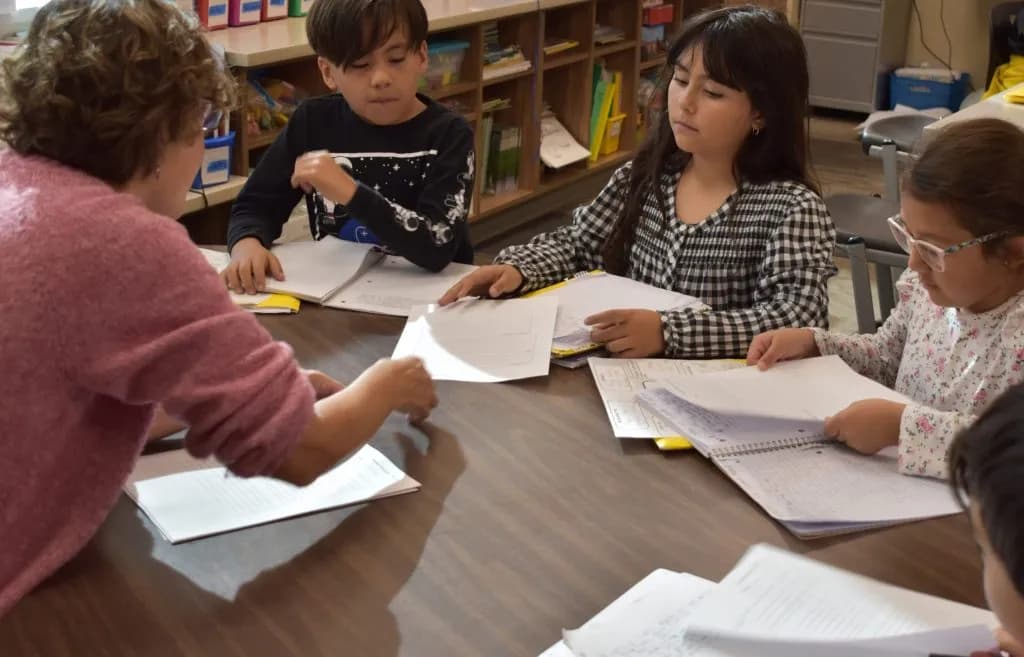
Steamboat Springs —$800,000 — that's what the Joint Budget Committee found to keep the Teacher Recruitment Education and Preparation program alive for one more year. This move will allow high school seniors to join the program in the fall, despite initial plans to dissolve it. The decision came less than a month after lawmakers proposed eliminating the program to address a $1.2 billion budget shortfall.
The Teacher Recruitment Education and Preparation program, or TREP, was created in 2021 to encourage high school students to pursue careers in education, particularly in rural districts struggling with educator shortages. The program offers up to $10,000 in tuition assistance to participants who take postsecondary courses during their fifth and sixth years of high school.
Make no mistake — this is a temporary reprieve. The program will still be phased out, with its provisions officially repealed on July 1, 2027. The Senate amendment reduces per-pupil financial assistance from $10,721 to $7,104.
Sen. Byron Pelton, a Republican from Sterling, acknowledged the concerns of students who had planned to join the program. "When we heard this in appropriations, we heard that there were lots of kids still in this program, and that if we could find the money, we could keep the program going," he said during the Senate's second reading of the bill on April 15.
The short version: lawmakers found a way to fund the program for another year, but its long-term future is uncertain. Sen. Janice Marchman, a Loveland Democrat, raised a crucial point during the hearing, whether teaching is viewed as a profession or a job that anyone can do. "It's not about TREP, but it's more about whether we believe teaching is a profession, or whether we believe anyone can walk off the street and do it," she said.
The decision to transfer funds from the Electrifying School Buses Grant Program cash fund into the State Education Fund will provide the necessary money for the program to accept new students. However, the reduction in financial assistance and the eventual phase-out of the program raise questions about the state's commitment to supporting future educators.
Read that again; the program's fate is still uncertain. The Joint Budget Committee's decision is a temporary solution, and the future of the program and its impact on the education system in Colorado is still unclear.
The community will be watching to see how this decision affects the teacher pipeline in rural areas like ours. Folks around here know that educator shortages are a real concern - and this program was seen as a way to address that. Worth watching: how the state will support these students after the program is phased out.
In Delta County, where schools have struggled with staffing, this decision may provide some relief. However, the long-term implications of the program's eventual elimination are still unknown. Neighbors in the valley will be paying close attention to how this decision affects the local education system. The fact that lawmakers had to scramble to find funding for the program raises questions about their priorities and what they're not saying about the future of education in Colorado.
Keep up with Steamboat Springs
The day's Western Slope news, one email each morning. Free.

Will my tax refund be gone if I vote yes
"Coloradans could start seeing ballots for this November’s midterm election hit their mailboxes as early as this weekend