Pope Leo XIV Meets Six Survivors in Madrid Amid Abuse Crisis Dispute
Pope Leo XIV spent an hour with six abuse survivors in Madrid, but critics argue the curated meeting excludes many victims as the Church disputes the scale of the crisis.
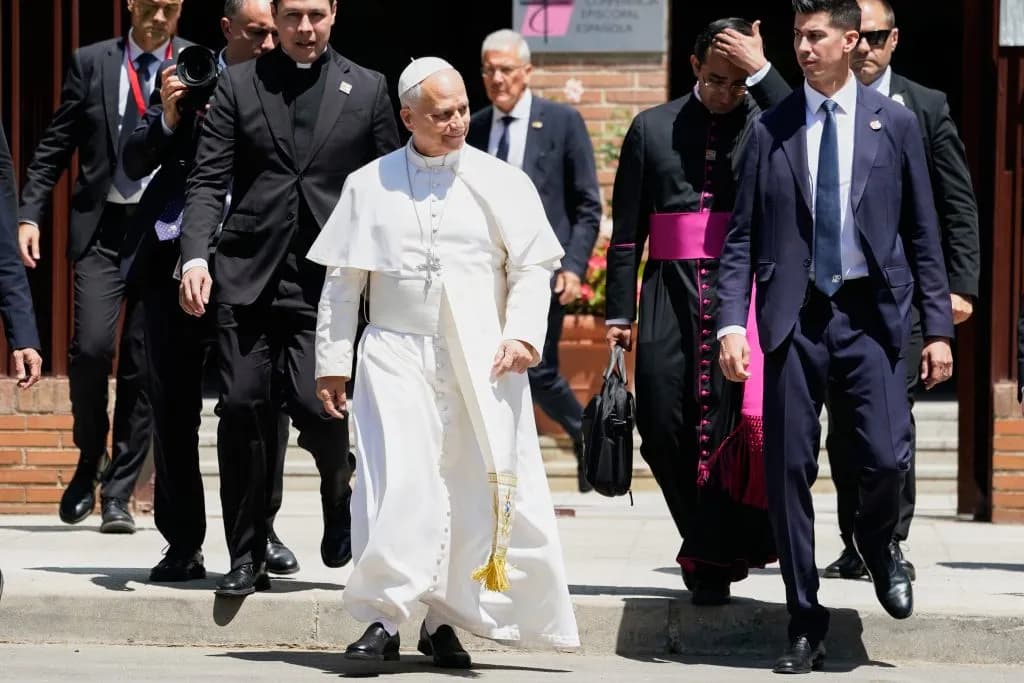
Aspen —Pope Leo XIV spent an hour with six people. That’s it. Six survivors. Six voices.
While the Vatican frames this as a pivotal moment for the Catholic Church’s global reckoning, the math suggests a different story. We’re looking at a fraction of the estimated victims in Spain alone, let alone the wider church. But let’s not get bogged down in the sheer scale of the problem just yet. The real issue here isn’t just the number of faces in the room; it’s who was left out in the cold.
The meeting took place at the Vatican embassy in Madrid. It was polite. It was structured. It lasted exactly as long as a diplomatic appointment should. Pope Leo, formerly Robert Prevost, listened with what spokesman Matteo Bruni called “affection and attention.” He pledged that their suggestions would serve as a “foundation for further efforts.”
Translation: We heard you. Now we’ll see if we do anything with it.
The context is where the friction lies. Spain’s Catholic hierarchy has only recently started admitting the scale of its abuse crisis, largely because a newspaper called El País forced the issue. The government’s ombudsman dropped an 800-page report in 2023. It estimated hundreds of thousands of possible victims based on a survey of 8,000 people. The bishops rejected that number. They claimed their own investigation found only 728 sexual abusers since 1945.
Let’s do the math on that discrepancy. The government’s estimate implies a systemic rot far deeper than the bishops’ internal audit suggests. If the 800-page report is even close to right, the institution is managing a crisis of epic proportions with a leadership team that still seems to be arguing over the size of the bucket.
Leo isn’t new to this. As a bishop in Chiclayo, Peru, he was the point person for victims. He knew the Sodalitium Christianae Vitae group, the powerful order he helped suppress last year. He knows the playbook. He insists on listening, but he also demands that the rights of accused priests be upheld. It’s a balancing act that often feels like a delay tactic. His recent encyclical expanded the definition of abuse beyond just sexual misconduct to include spiritual, economic, and power-based abuse. That’s a big umbrella. It covers a lot of ground.
But here’s the blunt truth: the six survivors who sat with Leo didn’t represent everyone. Several groups that weren’t invited held a protest outside the embassy. They said they were left in the dark. Their association noted that while they were pleased some victims were heard, those victims “do not represent all.”
That’s the gap. The faith community is offering a curated listening session to a select few, while the broader network of survivors waits outside. The bishops are still clinging to their 728 abusers. The government is counting hundreds of thousands.
For the locals, this isn’t just about Madrid or Peru. It’s about the structure of the institution that holds so much wealth and influence. It’s about whether the “just reparation” Leo promises actually reaches the people who need it, or if it stays within the embassy walls. The hierarchy is trying to heal its own image. The survivors are trying to get their share of the pie.
The bottom line? Six people got an hour with the Pope. The rest of the victims are still waiting. And the bishops are still arguing about the count.
Keep up with Aspen
The day's Western Slope news, one email each morning. Free.